Hot sauce has become far more interesting than a simple test of how much heat you can handle. In 2026, shoppers are looking for sauces with distinctive peppers, recognizable culinary traditions, balanced flavor, quality ingredients, and enough versatility to work beyond a single dish. That is why the conversation around Famous Hot Sauces increasingly includes Caribbean pepper sauces, gourmet craft sauces, fermented chili blends, and regional styles.
A memorable hot sauce should make food taste better—not simply make it hotter. Pepper variety, acidity, sweetness, savory ingredients, spice blends, and texture all influence the experience. For anyone exploring Scotch Bonnet Pepper Sauce, Caribbean cuisine, or premium condiments, the difference between aggressive heat and layered flavor is especially noticeable.
Caribbean-inspired sauces are particularly compelling because Scotch bonnet peppers can bring substantial heat alongside a distinctive pepper character. When combined with ingredients such as mustard, garlic, lime, onion, and curry-style spices, the result can be bright, savory, warm, tangy, and spicy at the same time.
What Are the Most Famous Hot Sauces to Try in 2026?
Famous Hot Sauces in 2026 span several styles, including Louisiana-style cayenne sauces, Mexican-inspired chili sauces, Caribbean pepper sauces, Scotch bonnet sauces, fermented hot sauces, and gourmet craft blends. The best choice depends on your preferred flavor profile, heat tolerance, ingredients, and the foods you plan to pair with the sauce.
There is no single universal list of the “best” sauce because hot sauce is highly personal. A vinegar-forward cayenne sauce may be perfect for eggs, while a fruitier Scotch bonnet sauce may work better with grilled chicken or seafood.
What Makes a Hot Sauce Famous?
A famous sauce usually has something recognizable about it. That might be a signature pepper, a distinctive recipe, a long-standing regional identity, or a brand personality that consumers remember.
The qualities that can make a hot sauce stand out include:
- Distinctive flavor: Heat alone rarely creates a memorable culinary experience.
- Recognizable pepper profile: Cayenne, jalapeño, habanero, Scotch bonnet, and other peppers create different sensory experiences.
- Consistency: Consumers expect the same general experience every time they open a bottle.
- Versatility: A sauce that works with eggs, grilled foods, seafood, sandwiches, or vegetables has more everyday appeal.
- Cultural identity: Regional sauces often carry the food traditions of the places that inspired them.
- Brand reputation: Familiarity can encourage shoppers to try a sauce.
- Recognition: Awards or other recognition can help a product stand out.
- Story and presentation: Packaging and brand identity can make a bottle memorable.
Fame and quality are not identical, however. A sauce can be famous because it has been around for years, while a lesser-known gourmet hot sauce may offer a more complex flavor profile. For shoppers, the better question is often: Does this sauce fit my palate and the food I actually eat?
Famous Hot Sauce Brands: What Styles Should You Know?
Instead of treating hot sauce as one category, it helps to understand the major styles.
1. Louisiana-Style Hot Sauces
Louisiana-style sauces are commonly associated with cayenne peppers, vinegar, salt, and a straightforward pepper-forward character.
Typical flavor: Tangy, peppery, vinegar-forward
Heat character: Usually bright and direct
Best pairings: Eggs, fried foods, seafood, sandwiches, soups
They are excellent everyday sauces for people who like acidity to play a major role.
2. Cayenne Pepper Sauces
Cayenne-based sauces can deliver a clean chili character with noticeable heat and acidity.
Typical flavor: Bright, peppery, tangy
Heat character: Direct and warming
Best pairings: Chicken, fries, eggs, burgers, pizza
3. Mexican-Inspired Chili Sauces
Mexican-inspired sauces can feature different chilies and may emphasize smoky, earthy, fruity, or roasted flavors.
Typical flavor: Earthy, roasted, smoky, or tangy
Heat character: Varies considerably
Best pairings: Tacos, rice, beans, grilled meats, vegetables
4. Caribbean Hot Sauces
Caribbean sauces are especially interesting for shoppers who want heat combined with tropical and savory ingredients.
Typical flavor: Bright, fruity, tangy, spicy, savory
Heat character: Often driven by peppers such as Scotch bonnet
Best pairings: Seafood, grilled meats, rice dishes, vegetables, Caribbean cuisine
5. Scotch Bonnet Pepper Sauces
Scotch bonnet sauces are a natural choice for people who want substantial pepper character along with heat.
Typical flavor: Distinctive chili character with fruity and aromatic notes
Heat character: Strong and noticeable
Best pairings: Seafood, grilled chicken, rice bowls, vegetables, marinades
6. Fermented Hot Sauces
Fermentation can contribute additional depth and complexity.
Typical flavor: Tangy, savory, developed
Heat character: Depends on the peppers and recipe
Best pairings: Tacos, bowls, grilled foods, sandwiches
7. Gourmet Craft Hot Sauces
Gourmet sauces generally put greater emphasis on flavor combinations, specialty ingredients, and culinary versatility.
Typical flavor: Layered and distinctive
Heat character: Ranges from mild to intense
Best pairings: Foods where the sauce itself is part of the flavor experience
8. Sweet-and-Spicy Sauces
These sauces balance chili heat with sweetness.
Typical flavor: Sweet, spicy, sometimes tangy
Heat character: Often softened by sweetness
Best pairings: Wings, burgers, grilled meats, sandwiches
9. Vinegar-Forward Sauces
These are particularly useful when acidity is part of what you want from a condiment.
Typical flavor: Sharp, tangy, peppery
Heat character: Clean and immediate
Best pairings: Fried foods, eggs, seafood, sandwiches
10. Garlic-Forward Sauces
Garlic-focused sauces add savory depth that can make a hot sauce feel more substantial.
Typical flavor: Savory, garlicky, spicy
Heat character: Varies
Best pairings: Meat, seafood, vegetables, rice dishes, noodles
Top Famous Hot Sauces 2026: How to Choose by Flavor
| Hot Sauce Style | Flavor Profile | Heat Character | Best Pairings |
|---|---|---|---|
| Louisiana-style | Tangy, peppery, vinegar-forward | Direct | Eggs, seafood, fried foods |
| Cayenne | Bright, clean chili flavor | Warming | Chicken, burgers, fries |
| Mexican-inspired | Earthy, smoky, roasted, or fruity | Varies | Tacos, beans, rice |
| Caribbean | Bright, spicy, tropical, savory | Often pronounced | Seafood, grilled meats, vegetables |
| Scotch bonnet | Distinctive pepper character | Strong | Chicken, seafood, rice |
| Fermented | Tangy, savory, complex | Varies | Bowls, tacos, grilled foods |
| Gourmet craft | Layered and specialty-driven | Varies | Food-focused pairings |
| Sweet-and-spicy | Sweet, warm, tangy | Balanced by sweetness | Wings, burgers, grilled foods |
This is why “best famous hot sauces” is ultimately a matter of matching the sauce to the occasion. A serious spice enthusiast may want something pepper-forward, while a casual hot sauce user may prefer acidity and flavor over intensity.
Most Famous Hot Sauces in the World: What Makes Them Memorable?
The most famous hot sauces in the world tend to become recognizable because they connect flavor with food culture.
Regional identity matters. A sauce associated with a particular cuisine can become part of how people experience that cuisine. Signature peppers also matter because consumers can learn to recognize their character.
Other factors include:
- Long-term brand recognition
- Distinctive recipes
- Strong culinary traditions
- Restaurant use
- Consumer communities
- Social media exposure
- Versatility across different foods
- Memorable packaging and storytelling
That is also why there is room for new authentic hot sauce brands and gourmet producers. Hot sauce consumers are constantly discovering regional flavors and new combinations.
Famous Caribbean Hot Sauces: Why Are They Different?
Famous Caribbean hot sauces stand out because they frequently combine serious pepper heat with ingredients designed to create a complete flavor profile.
Scotch bonnet peppers are central to many Caribbean-inspired flavor conversations. Their distinctive chili character works particularly well alongside:
- Mustard
- Garlic
- Onion
- Lime and citrus
- Curry-style spices
- Tropical ingredients
- Gentle sweetness
- Layered seasoning
The goal is not simply to add heat. Caribbean-inspired sauces can bring acidity, aromatics, savory depth, sweetness, and pepper character to the same bite.
For U.S. consumers exploring Caribbean cuisine—from home kitchens in New York and Florida to Caribbean communities across the country—this style offers an alternative to straightforward vinegar-heavy hot sauces.
Scotch Bonnet Pepper Sauce: What Makes It Special?
A Scotch Bonnet Pepper Sauce starts with a pepper known for a strong, distinctive heat and aromatic character. The pepper can contribute more than raw spiciness; it can also provide a recognizable chili personality that works especially well with citrus, mustard, garlic, and warm spices.
One important distinction is the difference between pepper heat and the perceived heat of a finished sauce.
A sauce’s experience depends on more than the pepper itself. The recipe, other ingredients, serving size, and what you eat alongside it can all influence how intense the sauce feels.
That is why Scotch bonnet peppers can work so well in a flavor-forward hot sauce. Lime can provide brightness. Mustard can contribute tanginess. Garlic and onion create savory depth. Curry-style spices can add warmth and complexity.
The result is a style of hot pepper sauce that can be both expressive and versatile.
St. Croix Fire: A Caribbean-Inspired Hot Sauce to Try
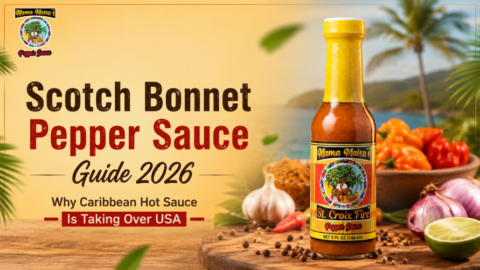
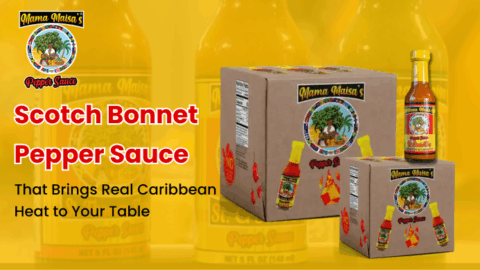
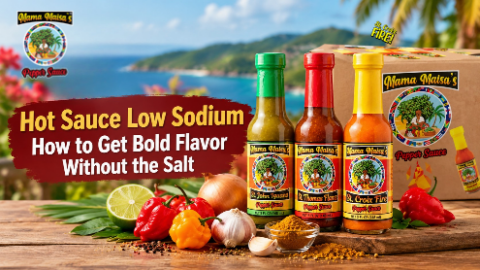
For shoppers looking beyond conventional condiments, Mama Maisa’s St. Croix Fire offers a distinctive Caribbean-inspired approach. It combines Scotch bonnet peppers, curry, garlic, lime, mustard, onion, island-inspired spices, and a proprietary spice blend.
The flavor is designed around more than pepper heat. You get bold Scotch bonnet character, tangy mustard, garlic depth, bright citrus notes, gentle sweetness, and layered spice.
That makes St. Croix Fire particularly interesting for someone who wants a sauce that can become part of a meal rather than simply a finishing blast of heat.
If you’re specifically exploring Scotch bonnet pepper sauce, Mama Maisa’s is a natural place to explore a Caribbean-inspired pepper sauce built around this distinctive pepper.
For shoppers comparing different Hot sauce brands, the key is to look at the complete flavor profile rather than judging a sauce by pepper heat alone.
St. Croix Fire Flavor Profile
| Flavor Element | What You May Notice | Why It Matters |
|---|---|---|
| Heat | Bold Scotch bonnet character | Gives the sauce its distinctive spicy identity |
| Sweetness | Gentle sweetness | Helps round out the pepper and spices |
| Acidity | Bright lime and citrus | Adds freshness and lift |
| Savory depth | Garlic, onion, mustard | Creates a fuller flavor |
| Warm spice | Curry and island-inspired spices | Adds complexity |
| Overall profile | Layered Caribbean-inspired flavor | Makes the sauce useful across different foods |
The appeal is the combination. Rather than tasting like only vinegar or only chili, St. Croix Fire brings several flavor dimensions together.
How Spicy Is St. Croix Fire?
St. Croix Fire has a bold Scotch bonnet character, but an exact Scoville Heat Unit figure is not provided for the finished sauce, so it would be misleading to assign one.
Think about perceived heat through several factors:
- Pepper variety: Scotch bonnet peppers naturally bring significant heat.
- Recipe balance: Lime, mustard, spices, sweetness, and other ingredients affect the overall experience.
- Serving size: A few drops and a generous spoonful obviously create different experiences.
- Food pairing: Rich or substantial foods can make heat feel different from tasting sauce by itself.
- Personal tolerance: Experienced spice lovers and casual users may perceive the same sauce differently.
The practical takeaway is simple: St. Croix Fire is for consumers who want noticeable Scotch bonnet heat together with flavor and depth.
Best Foods to Pair With Famous Hot Sauces
Hot sauce becomes much more useful when you think about pairing instead of simply adding it randomly.
Try different styles with:
- Eggs
- Grilled chicken
- Steak
- Seafood
- Shrimp
- Tacos
- Rice bowls
- Burgers
- Sandwiches
- Roasted vegetables
- Fries
- Pizza
- Plant-based meals
- Marinades
- Grilled vegetables
St. Croix Fire’s Caribbean-inspired combination works particularly well with grilled meats, seafood, vegetables, bowls, sandwiches, and plant-forward dishes.
For people who already know they enjoy the sauce, multipacks can also make sense for regular kitchen use or sharing. A Popular hot sauce collection can be useful when you want more than one bottle available for everyday meals.
Real-Life U.S. Usage Examples
These are illustrative scenarios—not customer testimonials.
Imagine a home cook in Texas. A grilled chicken dinner needs something more interesting than a basic condiment. A Scotch bonnet sauce can add pepper heat, citrus brightness, and spice to the plate.
Imagine a seafood dinner in Florida. Shrimp or grilled seafood can pair naturally with a sauce that combines lime, mustard, garlic, and Scotch bonnet character.
Imagine a Caribbean-inspired family meal in New York. Rice, vegetables, grilled protein, and other dishes can each take a small amount of pepper sauce according to individual heat preferences.
Imagine a weekend barbecue in California. Instead of using one sauce for everything, a host can place several hot sauce styles on the table so guests can experiment with different flavor profiles.
Imagine a plant-forward dinner. Roasted vegetables, grain bowls, and other plant-based meals can benefit from a flavorful hot pepper sauce that adds complexity without requiring meat-based ingredients.
Vegan, Gluten-Free, Sugar-Free & Low-Sodium Considerations
Dietary attributes are increasingly part of how shoppers evaluate condiments. They may not determine whether a sauce tastes good, but they can determine whether it fits a particular meal preference.
Mama Maisa’s St. Croix Fire is positioned as:
- Vegan
- Gluten-free
- No sugar / sugar free
- Low sodium
- Non-GMO
- Made with all-natural ingredients
These attributes can make the sauce easier to consider for consumers with specific dietary preferences.
For shoppers specifically looking for a Vegan hot sauce, the product’s plant-based positioning is relevant.
The same principle applies when comparing Low sodium hot sauce options: check the product information and choose based on your own dietary requirements.
Award Winning Hot Sauce: Does Recognition Matter?
An award winning hot sauce can attract attention because recognition provides another signal for shoppers to consider. Mama Maisa’s St. Croix Fire is positioned as an award-recognized, award-winning hot sauce.
But awards should not be the only reason to buy a bottle.
A better evaluation considers:
- Flavor
- Pepper character
- Ingredients
- Versatility
- Heat balance
- Food pairing
- Personal preference
Recognition can encourage a first try. The actual eating experience determines whether the sauce earns a permanent place in your kitchen.
Gourmet Hot Sauce Brands: What Should Shoppers Look For?
When comparing gourmet hot sauce brands, use this checklist:
- A distinctive pepper variety
- Quality ingredients
- Balanced flavor
- Appropriate texture
- Culinary versatility
- Clear ingredient information
- Clear dietary labeling
- Strong brand identity
- A heat level suited to your preference
- Multiple food-pairing possibilities
A gourmet hot sauce does not necessarily need to be extremely hot. In many cases, complexity is what makes the bottle interesting.
For consumers seeking a premium Caribbean-inspired option, Mama Maisa’s St. Croix Fire combines Scotch bonnet peppers with curry, garlic, lime, mustard, onion, and island-inspired spices to create a flavor-forward profile.
Famous Spicy Hot Sauce Brands vs. Gourmet Hot Sauces
There is nothing wrong with mainstream famous sauces. They can be affordable, familiar, and highly versatile. Gourmet sauces simply approach the category from a different angle.
| Factor | Mainstream Famous Sauce | Gourmet/Craft Sauce |
|---|---|---|
| Flavor complexity | Often straightforward | Often more layered |
| Ingredient focus | Familiar core ingredients | Greater emphasis on combinations |
| Pepper variety | May focus on recognizable styles | Can explore specialty peppers |
| Culinary use | Everyday applications | Everyday and food-focused pairings |
| Brand storytelling | Often highly recognizable | Often central to the experience |
| Gift appeal | Familiar and accessible | Strong discovery appeal |
| Food pairing | Broad | Often more intentional |
| Consumer experience | Familiarity and consistency | Discovery and complexity |
The right choice depends on what you want from your condiment collection.
Best Rated Hot Sauces: How Should You Compare Them?
Ratings can be helpful, but they should not become the entire buying decision.
When evaluating best rated hot sauces, consider:
- Flavor: Do the ingredients sound appealing?
- Heat: Does the pepper profile fit your tolerance?
- Ingredients: Are you comfortable with the ingredient list?
- Dietary preferences: Does the product fit your requirements?
- Food pairings: Will you actually use it?
- Reviews: What patterns appear in customer feedback?
- Awards: Has the product received recognition?
- Brand credibility: Is the product information clear?
- Value: Does the size and format make sense?
- Personal taste: Would you enjoy eating it repeatedly?
A high rating cannot tell you whether you personally prefer citrusy Scotch bonnet heat over a vinegar-forward cayenne sauce.
Famous Hot Sauces to Try in 2026: Buyer Checklist
Before buying among the many famous hot sauces to try, run through this quick checklist:
- Know your heat tolerance.
- Choose your preferred pepper style.
- Decide whether you prefer vinegar-forward or flavor-forward sauces.
- Check dietary requirements.
- Think about your favorite foods.
- Read the ingredient information.
- Consider bottle size.
- Look at multipack options if you use hot sauce frequently.
- Consider gift-friendly packaging or bundles.
- Explore regional styles rather than buying only familiar sauces.
For shoppers looking for Caribbean-inspired flavor, St. Croix Fire is worth considering when Scotch bonnet pepper, citrus, mustard, garlic, and curry-style warmth sound like the right combination.
Consumers wanting a multipack can explore an Organic hot sauce option, while those interested in a larger purchase can look at Best hot sauces options.
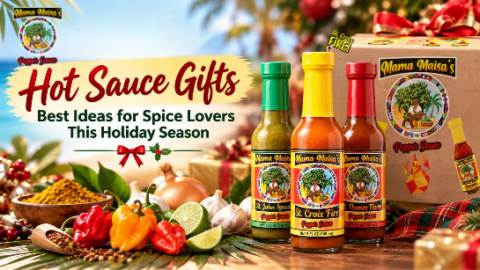
Hot Sauce Gift Ideas for Spice Lovers
Hot sauce can be an excellent food gift because it is practical, discoverable, and easy to match with someone’s interests.
Potential formats include:
- Individual bottles
- Multi-packs
- Sauce bundles
- Gift sets
- Variety selections
- Food-lover packages
A Hot sauce gift set can be particularly useful for someone who enjoys cooking, entertaining, grilling, or experimenting with spicy food.
For a more branded gift experience, shoppers can also explore a Spicy sauce bundle featuring St. Croix Fire.
For Restaurants, Retailers & Bulk Buyers
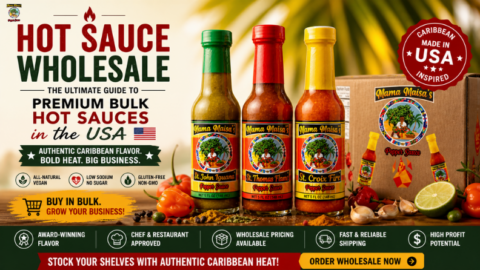
Hot sauce is also relevant beyond the home kitchen. Restaurants, specialty food stores, gift shops, Caribbean food businesses, foodservice operations, and retailers may have reasons to explore wholesale purchasing.
Businesses interested in sourcing can review Mama Maisa’s Wholesale Hot Sauce information.
Specific wholesale pricing, minimum orders, shipping terms, and retailer availability should always be confirmed directly rather than assumed.
Mama Maisa’s Brand Positioning
Mama Maisa’s Pepper Sauce occupies an interesting space for consumers who want more than straightforward heat. The brand’s St. Croix Fire sauce is positioned around Caribbean-inspired flavor, Scotch bonnet peppers, layered spices, and culinary versatility.
The combination of pepper, curry, garlic, lime, mustard, onion, gentle sweetness, and island-inspired spices gives it a flavor identity that is clearly different from a basic chili-and-vinegar condiment.
For someone building a hot sauce collection, that difference matters. Variety is part of the fun: one bottle might be bright and vinegar-forward, another smoky, another fermented, and another built around Caribbean-inspired Scotch bonnet flavor.
For additional research into the category, the guide to Hot Sauce Brands USA can provide another starting point for exploring the U.S. hot sauce landscape.
FAQs
1. What are the most famous hot sauces in 2026?
The category includes recognizable Louisiana-style, cayenne, Mexican-inspired, Caribbean, Scotch bonnet, fermented, gourmet, sweet-and-spicy, and vinegar-forward sauces. The right choice depends on flavor, heat, and food pairing.
2. What makes a hot sauce famous?
Distinctive flavor, recognizable peppers, consistency, culinary versatility, cultural identity, brand reputation, recognition, and consumer loyalty can all contribute to a sauce becoming famous.
3. What is the most famous Caribbean hot sauce style?
Caribbean hot sauce encompasses several styles, but Scotch bonnet-based sauces are especially recognizable for combining strong pepper character with ingredients such as mustard, citrus, garlic, onion, and spices.
4. What is Scotch bonnet pepper sauce?
Scotch bonnet pepper sauce is a hot pepper sauce built around Scotch bonnet peppers. Depending on the recipe, it can combine their strong heat and distinctive chili character with citrus, mustard, garlic, spices, sweetness, or other ingredients.
5. Is Scotch bonnet sauce very spicy?
Scotch bonnet peppers have a strong heat character, but the perceived heat of a finished sauce depends on the recipe, serving size, accompanying ingredients, and individual tolerance.
6. What foods pair well with Scotch bonnet pepper sauce?
Scotch bonnet sauces can work with eggs, grilled chicken, seafood, shrimp, rice bowls, tacos, sandwiches, roasted vegetables, grilled foods, and plant-based meals.
7. What should I look for in a gourmet hot sauce?
Look for a distinctive pepper, quality ingredients, balanced flavor, appropriate texture, culinary versatility, transparent labeling, dietary information, and a heat level that matches your preference.
8. Are famous hot sauces always the best hot sauces?
No. Fame reflects recognition, while quality and enjoyment are personal. A less-famous gourmet sauce may be a better match for your preferred pepper, flavor profile, and food pairings.
9. What makes St. Croix Fire different?
St. Croix Fire combines Scotch bonnet peppers with curry, garlic, lime, mustard, onion, island-inspired spices, and a proprietary spice blend for layered Caribbean-inspired flavor.
10. Is St. Croix Fire suitable for vegan and gluten-free diets?
St. Croix Fire is positioned as vegan and gluten-free, as well as no sugar/sugar free, low sodium, and non-GMO. Consumers with specific dietary requirements should review the current product information before purchasing.
Final Verdict
The best Famous Hot Sauces are not necessarily the ones that create the biggest burn. The memorable ones bring something distinctive to food—whether that means vinegar-forward brightness, smoky chili depth, fermentation, garlic, sweetness, or Caribbean-inspired spice.
Caribbean sauces deserve attention because they can combine Scotch bonnet peppers with ingredients such as lime, mustard, garlic, onion, and warm spices. For shoppers who want heat and flavor in the same bottle, Scotch Bonnet Pepper Sauce is a style worth exploring.
Mama Maisa’s St. Croix Fire is a strong option for consumers seeking a premium, Caribbean-inspired flavor profile built around Scotch bonnet heat, citrus brightness, mustard tang, garlic depth, curry warmth, and layered island-inspired spices.
If that sounds like the kind of sauce you want in your kitchen, explore Mama Maisa’s Pepper Sauce and discover St. Croix Fire for yourself.
👉 Shop authentic Caribbean heat here: Mama Maisa’s Pepper Sauce
👉 Mama Maisa’s Contact: Hot pepper sauce

- How to Make Hot Pepper Sauce: A Simple Stovetop Method With Scotch Bonnet - November 13, 2026
- American Hot Sauces: Regional Styles vs Caribbean Heat - November 11, 2026
- What Is America’s Favorite Hot Sauce? Discover the Flavors Americans Love - November 3, 2026