America has a serious love for spicy food. From Buffalo chicken wings and tacos to grilled seafood, burgers, and everyday sandwiches, hot sauce has become an essential condiment in many American kitchens. But with so many options available, one question continues to spark debate: What is America’s favorite hot sauce?
The answer depends on how popularity is measured. Some consumers prefer traditional vinegar-based pepper sauces, while others enjoy smoky chili sauces, Mexican-style hot sauces, or Caribbean pepper sauces with fruity heat and complex seasoning.
Brands such as Frank’s RedHot, TABASCO, Cholula, and Sriracha have established strong recognition among American consumers. At the same time, interest in distinctive flavors and specialty sauces is giving food lovers more choices than ever.
For people who want something beyond straightforward chili heat, Caribbean-inspired sauces made with Scotch bonnet peppers offer an exciting alternative.
In this guide, we’ll explore America’s favorite hot sauce preferences, popular brands, regional flavor differences, pepper varieties, and what makes a great Scotch bonnet pepper sauce. We’ll also introduce Mama Maisa’s St. Croix Fire, a Caribbean-inspired sauce created for people who appreciate bold heat and layered flavor.
What Is America’s Favorite Hot Sauce?
Frank’s RedHot is currently the leading answer when popularity is measured by Instacart purchase data. Its January 2026 report identifies Frank’s RedHot as America’s most-purchased hot sauce on its platform in 2025, followed by Huy Fong Foods Sriracha, Taco Bell, Cholula, and Texas Pete.
However, there is no universally agreed winner across every survey, retailer, and consumer group. The most popular brand by purchases is not necessarily everyone’s personal favorite.
Instacart+1
This distinction matters because hot sauce preferences depend on several factors:
-
Flavor: Some people prefer tangy vinegar-based sauces, while others enjoy fruity, smoky, or savory flavors.
-
Heat level: Mild, medium, and extra-hot sauces appeal to different consumers.
-
Food pairings: A sauce that works beautifully with chicken wings may not be the first choice for seafood or vegetables.
-
Regional food traditions: Local cuisines influence which pepper varieties and sauce styles people enjoy.
-
Availability: Familiar brands found in grocery stores and restaurants often become everyday favorites.
Therefore, when someone searches for America’s favorite hot sauce, the most useful answer is to consider both national purchasing trends and individual flavor preferences.
What Makes a Hot Sauce Popular in America?
A successful hot sauce needs more than intense heat. American consumers have access to hundreds of varieties, making flavor, versatility, ingredients, and convenience important considerations.
Here are some factors that influence hot sauce popularity.
1. A Balance Between Heat and Flavor
The best hot sauces deliver a satisfying level of spice without overwhelming the food.
A vinegar-forward sauce provides sharp tanginess, while a fruit-based pepper sauce may offer sweetness alongside heat. Curry-inspired sauces introduce savory seasoning that can complement grilled meats, vegetables, and rice dishes.
A well-balanced spicy sauce should enhance a meal rather than completely hide its natural flavor.
2. The Right Pepper Variety
Different peppers create different flavor experiences.
Common varieties include:
-
Cayenne: Often used in traditional Louisiana-style hot sauces.
-
Jalapeño: Popular for its fresh, approachable green or red chili flavor.
-
Habanero: Known for fruity characteristics and substantial heat.
-
Scotch bonnet: Recognized for its distinctive fruity character and vibrant Caribbean-style heat.
-
Bird’s eye chili: Frequently used in Asian-inspired spicy condiments.
The choice of pepper affects both the intensity and personality of the finished sauce.
3. Ingredient Quality
Consumers increasingly examine ingredient labels before purchasing specialty food products.
Some shoppers look for recognizable ingredients, fewer unnecessary additives, plant-based recipes, or sauces without added sugar.
An organic hot sauce is another option for consumers specifically seeking certified organic ingredients. However, the word organic should only be used as a product certification claim when the appropriate certification has been verified.
4. Versatility in Everyday Cooking
A popular hot sauce should work with different meals.
Consumers may use the same bottle for:
-
Chicken wings and grilled chicken.
-
Tacos and burritos.
-
Seafood and shrimp.
-
Eggs and breakfast sandwiches.
-
Burgers and wraps.
-
Rice bowls and roasted vegetables.
Versatility makes a flavorful hot sauce useful beyond occasional spicy-food cravings.
5. Brand Reputation and Availability
Established hot sauce brands benefit from consumer familiarity, consistent product availability, recognizable packaging, and longstanding food traditions.
However, smaller specialty brands can attract consumers through distinctive ingredients, regional inspiration, and different flavor combinations.
Which Hot Sauce Brands Are Popular in the USA?
Several hot sauce brands have developed strong followings across the United States. Each offers a different flavor experience and works particularly well with certain foods.
The following comparison describes recognizable brands and their general sauce styles rather than presenting an unsupported universal ranking.
| Hot sauce brand | General flavor profile | Popular food pairings |
|---|---|---|
| Frank’s RedHot | Tangy cayenne pepper flavor | Buffalo wings, chicken, sandwiches |
| TABASCO | Vinegar-forward pepper heat | Eggs, seafood, soups |
| Cholula | Balanced chili flavor with seasoning | Tacos, eggs, Mexican-inspired meals |
| Huy Fong Sriracha | Garlic-forward chili sweetness | Noodles, rice, stir-fries |
| Louisiana Hot Sauce | Traditional vinegar and pepper flavor | Fried chicken, seafood |
| Texas Pete | Tangy, approachable pepper heat | Wings, burgers, everyday meals |
Instacart’s 2025 purchase analysis places these brands within a competitive American hot sauce market, with Frank’s RedHot leading its platform’s purchases. Its rankings are based on shopping behavior rather than a universal consumer taste test.
Frank’s RedHot
Frank’s RedHot is particularly associated with Buffalo-style chicken wings. Its cayenne-based flavor combines heat and tanginess, making it useful for wing sauces, sandwiches, and everyday cooking.
TABASCO
TABASCO is widely recognized for its classic pepper-and-vinegar character. Its concentrated flavor makes it a familiar choice for eggs, seafood, soups, and other dishes.
Cholula
Cholula is known for a balanced chili flavor and distinctive seasoning. It is commonly paired with tacos, breakfast dishes, and Mexican-inspired recipes.
Sriracha
Sriracha offers a different experience through its chili, garlic, and sweet-savory character. It works particularly well with noodles, rice bowls, dipping sauces, and stir-fried dishes.
Louisiana-Style Hot Sauces
Traditional Louisiana-style sauces generally emphasize peppers, vinegar, and a straightforward tangy flavor. They are useful for people who want a familiar pepper-forward condiment.
Consumers exploring different hot sauce brands should remember that popularity does not automatically mean one sauce is suitable for every dish.
How Do Different Hot Sauce Styles Compare?
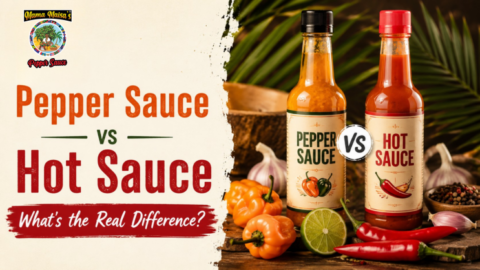
Not every hot sauce follows the same preparation or flavor tradition. Understanding these differences can help consumers choose the right sauce.
Louisiana-Style Hot Sauce
Louisiana-style sauces generally use cayenne peppers, vinegar, salt, and sometimes fermented pepper mash.
Their tangy, pepper-forward flavor works well with fried seafood, chicken, eggs, and soups.
Mexican-Style Hot Sauce
Mexican-style sauces use different combinations of peppers, vinegar, tomatoes, lime, and spices.
Depending on the recipe, they may be smoky, earthy, tangy, or intensely peppery. They are particularly suitable for tacos, burritos, quesadillas, and grilled meats.
Buffalo-Style Hot Sauce
Buffalo sauce is traditionally associated with hot sauce combined with butter or a butter-style ingredient.
It is especially popular for chicken wings, although it can also be used for sandwiches, cauliflower bites, and other snacks.
Asian-Inspired Chili Sauces
These sauces can combine chili peppers, garlic, sweetness, vinegar, and other seasonings.
Sriracha is a recognizable example. Chili sauces in this category are popular with noodles, dumplings, rice dishes, and stir-fries.
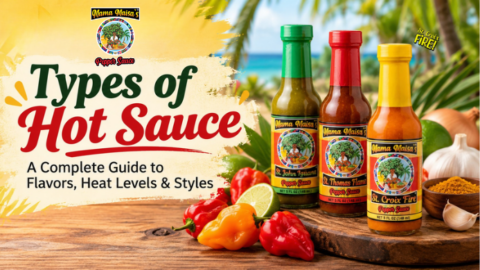
Caribbean Pepper Sauces
Caribbean pepper sauces often highlight Scotch bonnet peppers, aromatic ingredients, citrus, mustard, and regional seasonings.
Their appeal comes from more than heat. Fruity pepper flavor, tanginess, savory seasoning, and sometimes curry-inspired warmth create a distinctive experience.
This is where Caribbean hot sauce offers something different from a traditional vinegar-forward condiment.
Why Are Caribbean Favorite Hot Sauce Different?
Caribbean pepper sauces are appreciated for their combination of pepper heat and layered seasoning.
Across Caribbean food traditions, ingredients such as Scotch bonnet peppers, garlic, onions, citrus, herbs, and spices contribute to bold flavors.
The exact ingredients vary between islands, households, and individual recipes.
Scotch Bonnet Peppers
Scotch bonnet peppers are particularly important in many Caribbean-inspired dishes.
They offer a fruity, aromatic pepper character alongside significant heat. Unlike sauces that primarily deliver sharp vinegar and chili flavor, Scotch bonnet sauces can bring additional complexity.
Mustard and Citrus
Mustard contributes tanginess and a distinctive savory quality. Lime juice adds brightness, helping balance the pepper’s intensity.
These ingredients can make a sauce especially suitable for seafood, grilled meats, and marinades.
Garlic, Onion, and Island Spices
Garlic and onion provide an aromatic foundation, while spices such as coriander, cumin, turmeric, fenugreek, and fennel can create additional depth.
Some Caribbean-inspired sauces incorporate curry seasoning for a warm, savory character.
The result can be a combination of:
-
Fruity pepper heat.
-
Tangy mustard.
-
Bright citrus.
-
Savory garlic and onion.
-
Warm curry-inspired spices.
-
Subtle sweetness from the natural flavor profile of the ingredients.
For consumers who enjoy experimenting with food, these combinations offer an alternative to conventional spicy condiments.
What Does Scotch Bonnet Pepper Sauce Taste Like?
Scotch bonnet pepper sauce generally has a fruity pepper character followed by noticeable heat and, depending on the recipe, tangy or savory seasoning.
It can taste more complex than a simple cayenne-and-vinegar sauce because Scotch bonnet peppers bring their own distinctive aroma and flavor.
The finished taste depends on the ingredients, pepper preparation, acidity, and seasoning.
Scotch Bonnet vs. Cayenne
Cayenne-based sauces often emphasize direct pepper heat and vinegar tang.
Scotch bonnet sauces can offer a fruitier flavor with a more aromatic character. Curry, mustard, lime, garlic, and onion can add further complexity.
Scotch Bonnet vs. Habanero
Scotch bonnet and habanero peppers are closely related and share fruity characteristics.
Their heat levels can overlap, and their flavor profiles vary depending on the specific pepper and growing conditions. It is not accurate to assume that every Scotch bonnet is hotter than every habanero.
Scotch Bonnet vs. Jalapeño
Scotch bonnet peppers are generally much hotter than jalapeños.
Jalapeños are commonly chosen for their approachable chili flavor, while Scotch bonnet peppers are better suited to people who enjoy more pronounced heat and distinctive fruity notes.
A good Scotch bonnet pepper sauce should provide more than an intense burning sensation. It should bring flavor that complements the meal.
Discover Mama Maisa’s St. Croix Fire Scotch Bonnet Pepper Sauce
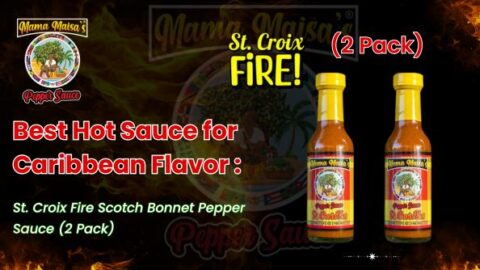
Inspired by Caribbean flavor traditions, St. Croix Fire combines Scotch bonnet pepper heat with mustard, garlic, onion, lime, and curry-style seasoning.
Rather than focusing exclusively on intense spice, its flavor profile brings together pepper heat, tanginess, and savory warmth.
What Makes St. Croix Fire Different?
The product’s ingredient combination creates several complementary flavor characteristics:
| Ingredient | Flavor contribution |
|---|---|
| Scotch bonnet peppers | Fruity, vibrant pepper heat |
| Mustard | Tangy, savory character |
| Garlic | Aromatic depth |
| Onion | Savory flavor |
| Lime juice | Bright citrus tang |
| Curry spices | Warm, layered seasoning |
The curry blend includes coriander, cumin, turmeric, fenugreek, and fennel, creating a more complex flavor experience than a straightforward vinegar-and-pepper sauce.
Product Attributes
Mama Maisa’s St. Croix Fire is described with the following product characteristics:
-
All-natural ingredients.
-
Vegan and plant-based recipe.
-
No added sugar.
-
Gluten-free.
-
Low sodium.
-
Non-GMO.
-
Caribbean-inspired Scotch bonnet flavor.
For shoppers comparing dietary preferences, these characteristics offer useful information when evaluating a new condiment.
It is important to distinguish between a product having no added sugar and a formally certified sugar-free claim. Consumers should always check the current packaging and nutrition information for the exact product.
How Does It Fit Into Everyday Cooking?
One of the most appealing features of a well-seasoned Caribbean curry hot sauce is its versatility.
You can use St. Croix Fire as a finishing sauce, mix it into a marinade, add it to a dipping sauce, or incorporate it into recipes during cooking.
It can complement:
-
Grilled chicken and turkey.
-
Shrimp and seafood.
-
Rice and beans.
-
Roasted vegetables.
-
Sandwiches and wraps.
-
Vegan meals.
-
Caribbean-inspired marinades.
If you want to explore a distinctive Scotch bonnet pepper sauce, discover Mama Maisa’s St. Croix Fire and its Caribbean-inspired flavor.
Explore the St. Croix Fire 2-pack: Shop Mama Maisa’s St. Croix Fire Scotch Bonnet Pepper Sauce.
How Can You Use Caribbean Scotch Bonnet Hot Sauce?
A versatile pepper sauce can become a regular part of everyday cooking. The trick is understanding how to combine its heat with ingredients that complement its flavor.
Here are seven practical ways to enjoy Caribbean-inspired hot sauce.
1. Grilled Chicken With Scotch Bonnet Sauce
Chicken is an excellent pairing for a sauce that combines pepper heat, mustard, lime, and curry seasoning.
Simple serving idea:
-
Grill or pan-cook chicken until fully cooked.
-
Mix a little St. Croix Fire with olive oil and fresh lime juice.
-
Brush a small amount over the chicken during the final stage of cooking.
-
Serve with rice, vegetables, or a fresh salad.
Start with a small amount and adjust according to your preferred spice level.
2. Shrimp and Seafood Bowls
Scotch bonnet pepper sauce can complement the natural flavor of shrimp and other seafood.
Combine grilled shrimp, rice, avocado, fresh vegetables, and a small amount of pepper sauce for a colorful meal.
The citrus and mustard notes can add brightness without requiring a complicated dressing.
3. Roasted Vegetables
Roasted cauliflower, carrots, broccoli, and sweet potatoes can benefit from a little extra seasoning.
Mix pepper sauce with olive oil, coat the vegetables lightly, and roast until tender. Alternatively, add the sauce after roasting to preserve its brighter flavor.
4. Caribbean-Inspired Rice and Beans
Rice and beans provide a satisfying base for bold seasonings.
Add a little Caribbean pepper sauce to cooked rice and beans, then combine with onions, herbs, and your preferred vegetables.
The result is a flavorful side dish that pairs well with grilled chicken, fish, or plant-based proteins.
5. Sandwiches and Wraps
A few drops of spicy pepper sauce can transform an ordinary sandwich.
Try adding it to:
-
Grilled chicken sandwiches.
-
Vegetable wraps.
-
Turkey burgers.
-
Grilled fish sandwiches.
-
Plant-based burgers.
It introduces heat and seasoning without requiring several additional condiments.
6. Vegan Tacos
A vegan hot sauce can add an exciting flavor dimension to plant-based meals.
Use roasted mushrooms, black beans, peppers, avocado, and fresh cabbage as taco fillings. Finish with a small amount of Scotch bonnet sauce.
The fruity pepper flavor and savory seasoning can complement the vegetables and beans.
7. Marinades and Dipping Sauces
You can also combine Caribbean pepper sauce with other ingredients to create a quick marinade or dipping sauce.
For a simple dipping combination, mix:
-
1 tablespoon of your preferred mayonnaise or vegan mayonnaise.
-
1 teaspoon of lime juice.
-
A small amount of St. Croix Fire.
-
A little chopped cilantro, if desired.
Stir until combined and adjust the spice level to taste.
This works well with grilled vegetables, fries, sandwiches, and snacks.
How to Choose the Best Hot Sauce for Your Taste
Finding the best hot sauces is a personal decision. A sauce that works for someone who enjoys intense pepper heat may be unsuitable for someone who prefers mild, tangy flavors.
Before purchasing a new bottle, consider these factors.
| Buying consideration | What to look for | Suitable preference |
|---|---|---|
| Heat tolerance | Mild, medium, hot, or extra hot | Your preferred spice level |
| Pepper variety | Cayenne, jalapeño, habanero, Scotch bonnet | Different pepper flavors |
| Acidity | Vinegar, lime, citrus | Tangy and bright flavors |
| Seasoning | Garlic, onion, mustard, curry | More complex flavor |
| Sodium | Nutrition Facts label | Consumers monitoring sodium intake |
| Added sugar | Ingredient list and nutrition panel | Consumers avoiding added sugar |
| Dietary requirements | Vegan and gluten-free labeling | Specific dietary preferences |
| Versatility | Finishing sauce, marinade, cooking sauce | Everyday meal preparation |
Understand Scoville Heat Units
Scoville Heat Units (SHU) are used to describe the pungency of chili peppers.
The Scoville scale can help consumers understand differences between pepper varieties, but it does not automatically tell them whether a finished hot sauce will taste good.
A sauce’s final heat depends on the pepper concentration, recipe, other ingredients, and preparation method.
When trying a new sauce, begin with a small serving before adding more to your meal.
Read the Ingredient List
Ingredient labels reveal what goes into a product.
Look for recognizable ingredients and compare products based on your preferences.
If you are searching for a premium hot sauce with a more complex flavor, consider whether the recipe includes peppers, herbs, spices, citrus, and other ingredients that complement your favorite meals.
Is Vegan, Gluten-Free, or Low Sodium Hot Sauce Worth Considering?
Yes. These product characteristics can be useful when choosing a condiment, particularly when you have specific food preferences or dietary requirements.
However, they should be evaluated individually rather than treated as interchangeable quality claims.
Vegan Hot Sauce
A vegan hot sauce is made without animal-derived ingredients.
Traditional pepper sauces may already use plant-based ingredients, but consumers should still check labels for ingredients such as honey, dairy derivatives, or other animal-derived components.
Mama Maisa’s St. Croix Fire is described as vegan and plant-based, making it an option for consumers looking for a pepper sauce that fits these preferences.
Explore the Vegan hot sauce collection to discover Mama Maisa’s product range.
Gluten-Free Hot Sauce
Many traditional hot sauces are made using peppers, vinegar, salt, and seasonings.
However, not every product has the same formulation. Consumers avoiding gluten should check ingredient statements and applicable allergen or cross-contact information.
St. Croix Fire is described as gluten-free.
Low Sodium Hot Sauce
Sodium levels vary considerably between hot sauce recipes.
Some consumers compare nutrition labels to find a low sodium hot sauce that suits their preferences.
Rather than relying only on front-label descriptions, compare the sodium amount per serving and the serving size on the Nutrition Facts panel.
Mama Maisa’s St. Croix Fire is described as low sodium.
No Added Sugar
Consumers who prefer to avoid added sugars should examine the ingredient list and nutrition information.
A no-added-sugar claim does not necessarily mean a product contains zero total sugars. Naturally occurring sugars may still be present depending on the ingredients.
St. Croix Fire is described as having no added sugar, making it relevant to shoppers comparing different condiment formulations.
What Foods Pair Best With Scotch Bonnet Pepper Sauce?
Scotch bonnet sauce can be used with many dishes because its fruity pepper flavor works alongside savory, grilled, and citrus-based ingredients.
Here are some pairing recommendations.
| Food | Why it works | Serving suggestion |
|---|---|---|
| Chicken | Savory chicken balances pepper heat | Brush onto grilled chicken |
| Fish | Citrus and pepper complement seafood | Add a few drops before serving |
| Shrimp | Tangy seasoning enhances seafood | Mix into a shrimp bowl |
| Burgers | Adds heat and savory depth | Use as a finishing condiment |
| Rice bowls | Brings flavor to simple ingredients | Drizzle over rice and vegetables |
| Roasted vegetables | Adds contrast to roasted flavors | Toss lightly with vegetables |
| Plant-based meals | Introduces bold seasoning | Add to tacos or bean bowls |
Tips for Getting the Best Flavor
-
Start with a small amount, especially if you are unfamiliar with Scotch bonnet peppers.
-
Pair spicy sauces with fresh lime or citrus for brightness.
-
Use creamy dips to balance stronger pepper heat.
-
Add pepper sauce to marinades for a more integrated flavor.
-
Avoid adding too much at once because it can overpower delicate ingredients.
The goal is to complement your food, not overwhelm it.
Where Can You Buy Caribbean Scotch Bonnet Pepper Sauce?
If you enjoy exploring different hot sauce styles, trying a specialty Caribbean pepper sauce is a great way to expand your condiment collection.
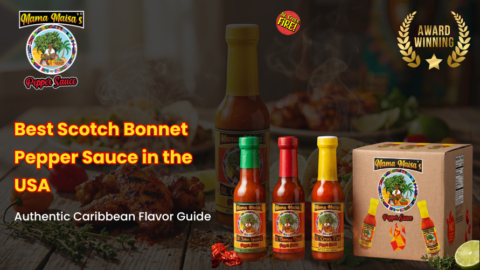
Mama Maisa’s offers its St. Croix Fire Scotch Bonnet Pepper Sauce alongside different purchasing options, including multipacks and bundles.
Depending on your needs, you can explore:
-
Individual bottles for everyday use.
-
Two-bottle packs for regular cooking.
-
Three-bottle packs for sharing or stocking up.
-
Six-bottle packs for households that use pepper sauce frequently.
-
Larger packs for food lovers and group purchases.
-
Gift-oriented bundles for people who enjoy trying different spicy condiments.
Here are the available product destinations:
-
Explore Hot sauce brands to browse the product collection.
-
Discover the Popular hot sauce bundle collection.
-
Consider the Organic hot sauce option when researching specialty sauce products, while checking the product’s actual certification status rather than assuming organic certification.
-
Explore the Best hot sauces multipack option.
-
Check out the Spicy sauce bundle for a gift-oriented purchase.
-
Browse the Low sodium hot sauce product option.
-
Consider the Hot sauce gift set for larger quantities.
-
Businesses interested in larger purchasing arrangements can explore Wholesale Hot Sauce.
A hot sauce gift set can be a thoughtful choice for people who enjoy experimenting with spicy food, trying new flavors, or creating their own marinades and dipping sauces.
Before purchasing, review the current product descriptions, pack quantities, shipping details, and ingredient information on the relevant product pages.
FAQs About America’s Favorite Hot Sauce
1. What is America’s favorite hot sauce?
According to Instacart’s 2025 purchase data, Frank’s RedHot was America’s most-purchased hot sauce on its platform. Other leading brands included Huy Fong Sriracha, Taco Bell, Cholula, and Texas Pete.
2. What is the most popular hot sauce brand in the USA?
Frank’s RedHot is a leading choice based on recent Instacart purchasing data. However, TABASCO, Cholula, Sriracha, and other brands also have strong consumer recognition and regional popularity.
3. Is Scotch bonnet hotter than jalapeño?
Yes. Scotch bonnet peppers are generally significantly hotter than jalapeños. They also have a distinctive fruity flavor that makes them popular in Caribbean cooking.
4. What does Scotch bonnet pepper sauce taste like?
Scotch bonnet pepper sauce typically offers fruity pepper flavor, noticeable heat, and sometimes tangy, savory, or citrus notes. Its exact taste depends on the recipe and additional seasonings.
5. Is Caribbean hot sauce different from regular hot sauce?
Caribbean hot sauce often uses Scotch bonnet peppers, mustard, garlic, onion, citrus, and island-inspired spices. Traditional hot sauces may focus more on cayenne peppers, vinegar, and straightforward pepper heat.
6. Is Mama Maisa’s St. Croix Fire vegan?
Yes. Mama Maisa’s St. Croix Fire is described as a vegan and plant-based pepper sauce, making it an option for consumers seeking plant-based condiments.
7. Does St. Croix Fire contain added sugar?
According to the supplied product information, St. Croix Fire has no added sugar. Consumers should check the current product label for its complete nutritional information.
8. What foods pair well with Scotch bonnet sauce?
Scotch bonnet sauce pairs well with grilled chicken, shrimp, fish, burgers, rice bowls, roasted vegetables, sandwiches, vegan tacos, and plant-based meals.
9. Is low sodium hot sauce available?
Yes. Several hot sauce products are available with different sodium levels. Compare their Nutrition Facts labels to identify an option that matches your preferences. Mama Maisa’s St. Croix Fire is described as a low sodium option.
10. Where can I buy Mama Maisa’s St. Croix Fire?
You can explore Mama Maisa’s St. Croix Fire Scotch Bonnet Pepper Sauce through the Mama Maisa’s online shop, including available multipacks and bundles.
Final Thoughts – Find Your Favorite Hot Sauce
So, what is America’s favorite hot sauce? Current purchasing data points to Frank’s RedHot as a leading national favorite, but the wider American hot sauce market offers something for every palate.
Some consumers prefer traditional Louisiana-style sauces, while others enjoy Mexican-style chili sauces, garlic-forward Sriracha, or the familiar tanginess of TABASCO.
For adventurous food lovers, Caribbean pepper sauces offer another exciting direction.
Scotch bonnet peppers bring fruity heat, while ingredients such as mustard, garlic, onion, lime, and curry seasoning create a more layered flavor experience.
Mama Maisa’s St. Croix Fire brings these Caribbean-inspired elements together in a versatile pepper sauce designed for grilled foods, seafood, vegetables, sandwiches, marinades, and everyday meals.
If you are ready to explore something different from traditional hot sauce, discover the flavor of Mama Maisa’s St. Croix Fire and find a new favorite for your kitchen.
Explore Mama Maisa’s Pepper Sauce and bring a little Caribbean-inspired heat to your next meal!
👉 Mama Maisa’s Contact: Hot pepper sauce

- How to Make Hot Pepper Sauce: A Simple Stovetop Method With Scotch Bonnet - November 13, 2026
- American Hot Sauces: Regional Styles vs Caribbean Heat - November 11, 2026
- What Is America’s Favorite Hot Sauce? Discover the Flavors Americans Love - November 3, 2026