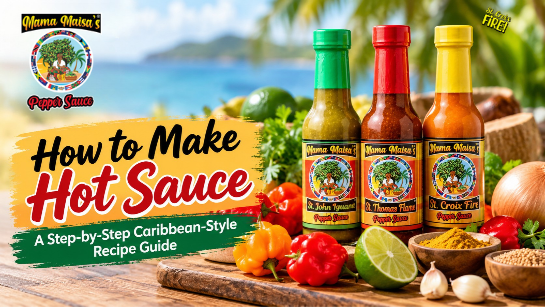
Making hot sauce at home is easier than many people expect. The key is not simply adding as many hot peppers as possible; it is learning how to balance heat with acidity, aromatics, seasoning, texture, and a touch of sweetness when desired. In this guide, you’ll learn how to make hot sauce with a Caribbean-inspired approach centered around Scotch Bonnet peppers, lime, mustard, garlic, onion, and warm spices.
Scotch Bonnet peppers are especially interesting for home cooks because they bring both significant heat and a distinctive fruity character. Combined thoughtfully with acidity, salt, aromatics, and Caribbean-inspired spices, they can create a sauce that tastes layered rather than one-dimensional.
Whether you are cooking in New York, Texas, California, Florida, or simply love Caribbean-inspired food, this recipe gives you a practical starting point. You’ll also learn how fresh sauces differ from fermented versions, how to balance excessive heat, what pepper mash means, and when a ready-made sauce such as Mama Maisa’s St. Croix Fire can save preparation time.
What Makes Caribbean-Style Hot Sauce Different?
Caribbean-style hot sauce often emphasizes a combination of bright pepper flavor, acidity, aromatics, and warm spices. Scotch Bonnet peppers are particularly well suited to this style because their fruity character can complement ingredients such as lime, mustard, garlic, onion, and curry-inspired seasoning.
The goal is balance rather than maximum heat. A good sauce should bring personality to food while still allowing you to taste the meal underneath it.
| Style | Flavor | Heat | Best Uses |
|---|---|---|---|
| Basic vinegar hot sauce | Sharp, acidic | Medium–high | Tacos, eggs |
| Cayenne-style sauce | Pepper-forward | Medium | Everyday cooking |
| Caribbean-style sauce | Fruity, spicy, aromatic | Medium–very hot | Seafood, grilled foods, rice |
| Scotch Bonnet sauce | Fruity, bright, intense | High | Caribbean dishes, marinades, grilled foods |
A Caribbean-inspired sauce can work particularly well with seafood, grilled chicken, rice dishes, plant-based meals, and marinades. The combination of pepper, citrus, mustard, garlic, onion, and spice creates more dimensions than pepper and vinegar alone.
What Ingredients Do You Need to Make Hot Sauce?
For a simple homemade Caribbean-style sauce, think in terms of components rather than a rigid formula. Quantities can be adjusted according to the desired heat, acidity, texture, and intended use.
Scotch Bonnet peppers
These provide the central heat and fruity pepper character. If you are new to them, start conservatively and remember that the finished sauce can be adjusted after blending.
Vinegar or another acidic ingredient
Acidity gives hot sauce brightness and helps balance the richness and intensity of the peppers. Vinegar is a common choice, while lime can contribute a fresher citrus note.
Lime
Lime adds zesty acidity that works naturally with Scotch Bonnet peppers and Caribbean-inspired flavors.
Garlic and onion
These aromatics give the sauce savory depth. Garlic can make the flavor more pronounced, while onion contributes body and sweetness.
Mustard
Mustard adds tang and a distinctive savory sharpness. It can help bridge the gap between fiery pepper flavor and the other ingredients.
Salt
Salt brings the individual components together. Add it gradually rather than relying on a large amount at once.
Optional natural sweetness
A small amount of natural sweetness can soften aggressive heat or acidity. Use it only when the flavor profile needs it.
Caribbean-inspired spices
Curry-style and other warm spices can add depth and aromatic character. The important point is restraint: spices should support the peppers rather than completely mask them.
Water or another liquid adjustment
A small amount of liquid can help achieve the desired consistency when blending. Add it gradually so the sauce does not become unnecessarily thin.
How to Make Hot Sauce Step by Step
If you want to learn how to make homemade hot sauce, start with a small batch. It gives you more control and makes it easier to understand how each ingredient changes the final flavor.
Step 1: Prepare the Peppers
Wash and prepare the Scotch Bonnet peppers carefully. Depending on your preferred heat and texture, you can adjust how much of the pepper you use.
Wear food-safe gloves when handling hot peppers, especially during preparation. Avoid touching your eyes, nose, mouth, or face, and wash your hands and preparation equipment thoroughly afterward.
Step 2: Prepare the Aromatics
Prepare your garlic and onion, then measure your mustard, lime, salt, and selected spices.
This is where the flavor direction starts to become clear. A combination of garlic, onion, mustard, citrus, and warm spices can turn a basic pepper sauce into something much more aromatic.
Step 3: Build the Pepper Base
Combine the Scotch Bonnet peppers with your selected acidic ingredient, lime, garlic, onion, mustard, salt, and spices.
Start with moderate amounts of the secondary ingredients. You can always increase acidity, salt, or aromatics later, but it is much harder to correct an ingredient that has been added too aggressively.
Step 4: Blend
Blend the mixture until it reaches your preferred texture.
For a smooth sauce, blend thoroughly. For a slightly rustic sauce, stop earlier and retain a little texture.
If the mixture is too thick, add a small amount of liquid gradually. If it is too thin, reassess the liquid level and the proportion of solid ingredients.
Step 5: Balance the Flavor
This is one of the most important steps in learning how to make hot sauce.
Taste carefully and consider five major elements:
- Heat: Is the pepper intensity appropriate?
- Acidity: Does the sauce taste bright without becoming harsh?
- Salt: Does it bring the other flavors forward?
- Sweetness: Does a small amount soften the heat if needed?
- Aromatics: Can you still taste garlic, onion, mustard, and spices?
The best result is usually a sauce where these elements support one another.
Step 6: Adjust the Consistency
Think about how you plan to use the sauce.
A thinner sauce can work well as a drizzle, while a thicker sauce may be better for dipping, spreading, or using as a marinade base.
Make changes gradually. Texture can dramatically affect how intensely the heat and acidity are experienced.
Step 7: Taste Carefully
Take a small sample rather than tasting a large spoonful. Make one adjustment at a time, then taste again.
This method makes it easier to understand whether the sauce needs more acid, salt, sweetness, aromatics, or liquid.
Step 8: Store Safely
Homemade hot sauce should be treated differently from a commercially manufactured shelf-stable sauce. If you have not followed a tested preservation process designed for long-term shelf stability, do not assume that your homemade sauce is safe to keep at room temperature.
For a homemade refrigerator sauce, use a clean, appropriate container and keep it refrigerated. If you want to bottle sauce for extended storage or room-temperature use, follow a tested food-preservation method rather than relying on acidity alone.
Want the Caribbean-inspired flavor without making a batch from scratch? Explore Scotch bonnet pepper sauce from Mama Maisa’s Pepper Sauce for a ready-to-use option built around Scotch Bonnet flavor and layered seasoning.
How to Make Scotch Bonnet Hot Sauce Without Losing Flavor
Learning how to make scotch bonnet hot sauce is really about understanding the pepper beyond its heat.
Scotch Bonnet peppers can contribute a fruity, aromatic quality that becomes more noticeable when supported by acidity and savory ingredients. If you drown the peppers in vinegar or overwhelm them with spices, that character can become difficult to recognize.
A better approach is to build around the pepper.
Use acidity to brighten the sauce, garlic and onion for savory depth, mustard for tang, lime for citrus character, and curry-inspired spices for warmth. If the sauce is too intense, dilution can make it more approachable without completely changing its personality.
Serving size matters, too. A sauce can feel extremely hot when tasted alone but become much more balanced when used sparingly over grilled chicken, shrimp, eggs, rice, or roasted vegetables.
How to Make Caribbean Hot Sauce at Home
If you are wondering how to make caribbean hot sauce at home, use a simple flavor-building formula:
Pepper + Acid + Aromatics + Seasoning + Balance = Flavorful Hot Sauce
Pepper supplies heat and character.
Acid provides brightness and counterbalances richness.
Aromatics such as garlic and onion create savory depth.
Seasoning adds complexity through mustard, salt, curry-inspired spices, or other complementary flavors.
Balance brings everything together.
This philosophy is more useful than following a rigid recipe because it lets you adapt the sauce to your ingredients and preferred heat level.
Fresh Hot Sauce vs. Fermented Pepper Sauce
Fresh hot sauce and fermented pepper sauce are made using different approaches and can develop noticeably different flavor profiles.
A fresh sauce is generally blended from prepared ingredients and can be made relatively quickly. Its flavor tends to emphasize the immediate character of the peppers, citrus, vinegar, aromatics, and seasonings.
Fermented sauces involve a fermentation process that changes the flavor and can create additional complexity over time. They require more planning and careful process control.
Neither approach needs to be treated as automatically superior. Choose fresh sauce when you want direct, bright flavors and practical preparation. Consider fermentation when you specifically want a more developed, complex pepper profile and are prepared to follow an appropriate fermentation method carefully.
What Is Scotch Bonnet Pepper Mash?
A scotch bonnet pepper mash is essentially processed Scotch Bonnet peppers that have been crushed, chopped, or blended into a thick pepper mixture.
Mash can serve as a foundation for sauces because it concentrates the pepper component while providing a texture that can be blended with acidic ingredients, aromatics, and seasonings.
For home cooks, thinking in terms of pepper mash is useful because it shifts the focus from simply adding whole peppers to intentionally building a pepper-based sauce.
The mash can be blended completely smooth or incorporated into a sauce where some texture remains, depending on the desired result.
How Does a Curry Mustard Garlic Blend Change Hot Sauce?
A curry mustard garlic blend can dramatically change the personality of a pepper sauce by adding savory, tangy, and aromatic dimensions.
Curry-style spices contribute warmth. Mustard provides tang and savory sharpness. Garlic adds aromatic intensity, while onion contributes depth. Lime can then bring a bright citrus finish.
Together, these ingredients can make a sauce feel more layered than a basic pepper-and-vinegar combination.
The key is proportion. If the curry or mustard becomes dominant, the Scotch Bonnet pepper may lose its starring role. If the seasoning is too restrained, the sauce can taste one-dimensional.
How Hot Is Scotch Bonnet Hot Sauce?
Scotch Bonnet peppers are known for intense heat and a distinctive fruity flavor, so Scotch Bonnet-based sauces generally sit toward the hotter end of a simple Mild → Medium → Hot → Very Hot scale.
However, the finished heat level depends on the formulation. Pepper concentration, dilution, acidity, sweetness, serving size, and other ingredients all affect perceived heat.
That means you should not judge a finished Scotch Bonnet sauce solely by the reputation of the pepper itself. Two sauces containing the same pepper can provide very different eating experiences.
How to Balance Heat in Homemade Hot Sauce
Heat is only one part of the flavor equation. Here are practical ways to correct a sauce that feels unbalanced.
If the sauce tastes too sharp: Add a little more of the non-acidic ingredients or adjust the liquid balance. Avoid immediately adding large amounts of sweetness.
If the sauce tastes too hot: Dilute the pepper concentration with additional compatible ingredients and reassess the acidity and seasoning.
If the sauce tastes flat: A small adjustment to salt, acidity, garlic, onion, mustard, or spices may bring the flavors into focus.
If the sauce tastes too sweet: Increase savory or acidic elements carefully so the sweetness does not dominate.
If the sauce lacks depth: Consider whether it needs more aromatic character rather than simply more pepper. Garlic, onion, mustard, lime, and warm spices can add complexity.
The most important rule is to make small changes. You are refining a flavor system, not trying to fix everything in one step.
What Can You Use Caribbean Hot Sauce On?
A good Caribbean-inspired hot sauce can move easily from breakfast to dinner.
Breakfast
Try it with:
- Eggs
- Breakfast potatoes
- Avocado toast
Lunch
It works well with:
- Sandwiches
- Wraps
- Rice bowls
- Leftover grilled proteins
Dinner
Consider:
- Grilled chicken
- Shrimp
- Fish
- Seafood
- Roasted vegetables
- Plant-based dishes
Grilling
Use hot sauce as part of:
- Marinades
- BBQ preparations
- Grilled meats
- Grilled vegetables
Snacks
A few drops can add character to:
- Fries
- Roasted potatoes
- Dips
The goal is to enhance the food rather than completely overpower it. A flavorful sauce should make you want another bite.
Homemade Hot Sauce vs. Ready-Made Caribbean Hot Sauce
| Factor | Homemade | Ready-Made |
|---|---|---|
| Preparation time | Requires preparation | Ready to use |
| Ingredient control | High | Depends on brand |
| Flavor consistency | Can vary | Consistent |
| Convenience | Lower | High |
| Experimentation | Very high | Limited |
| Giftability | Moderate | High |
| Everyday use | Requires preparation | Immediate |
Homemade sauce is ideal when you enjoy experimenting and want complete control over the flavor profile. It is also a fun project for people who enjoy cooking with different peppers and spices.
A ready-made Caribbean-inspired sauce makes more sense when convenience and consistent flavor matter. It can be especially practical for busy cooks, grilling occasions, pantry stocking, or gifting.
Why Choose Mama Maisa’s St. Croix Fire?
For cooks who love the idea of Caribbean-inspired Scotch Bonnet flavor but do not want to prepare sauce from scratch, Mama Maisa’s St. Croix Fire offers a convenient alternative.
The sauce combines Scotch Bonnet pepper heat with Caribbean-inspired flavors including mustard, garlic, onion, curry-style warmth, and lime. The result is designed around layered flavor rather than heat alone.
Its positioning also makes it suitable for shoppers seeking a vegan, gluten-free, no-added-sugar, low-sodium, all-natural hot sauce option. It can be used with grilled chicken, seafood, shrimp, fish tacos, burgers, sandwiches, rice bowls, eggs, vegetables, plant-based meals, and marinades.
For shoppers comparing Hot sauce brands, the important question is not simply which bottle is hottest. Consider whether the sauce offers the flavor profile and versatility you actually want to use regularly.
If you prefer plant-based options, you can also explore Mama Maisa’s Vegan hot sauce selection.
For people stocking up for gatherings or keeping multiple bottles available for everyday meals, a bundle can be a practical choice. A Popular hot sauce collection can also make it easier to explore purchasing options without preparing sauce yourself.
Homemade Hot Sauce Recipe Variations
Once you understand the basic formula, you can experiment with different flavor directions.
1. Extra-Garlic Caribbean Sauce
Increase the garlic component for a more pronounced savory and aromatic profile. Keep the pepper and acidity balanced so garlic does not completely dominate.
2. Mango-Scotch Bonnet Variation
For a fruit-forward experiment, pair Scotch Bonnet peppers with mango. The goal is to create contrast between tropical sweetness, acidity, and pepper heat.
3. Lime-Forward Hot Sauce
Increase the lime influence for a brighter citrus profile. This can work particularly well with seafood and grilled foods.
4. Curry-Style Hot Sauce
Build around curry-inspired spices, mustard, garlic, and onion while keeping the Scotch Bonnet flavor recognizable.
5. Smoky Grilled-Pepper Version
For a different flavor direction, experiment with peppers that have been exposed to a suitable grilling or cooking process before blending. The result can add a deeper, smoky character.
These are optional homemade ideas, not official Mama Maisa’s recipes.
Common Homemade Hot Sauce Mistakes
One of the biggest mistakes is assuming that hotter automatically means better. A sauce with overwhelming pepper heat may hide the flavors you actually want to experience.
Other common problems include:
- Using too many peppers without balancing acidity
- Adding excessive vinegar
- Ignoring texture
- Failing to taste and adjust
- Forgetting the food the sauce will accompany
- Handling hot peppers without adequate care
- Over-seasoning with spices
- Assuming homemade sauce is automatically shelf-stable
- Trying to correct several flavor problems at once
Think about the final use before finishing the sauce. A sauce for shrimp or fish may benefit from brighter citrus, while a grilling sauce may work better with deeper savory and spice notes.
FAQs About Making Hot Sauce
How do you make hot sauce from scratch?
To make hot sauce from scratch, combine hot peppers with an acidic ingredient, aromatics, seasoning, and optional sweetness, then blend and adjust the flavor and consistency. For a Caribbean-inspired version, Scotch Bonnet peppers, lime, mustard, garlic, onion, and warm spices create a layered flavor profile.
What peppers are best for homemade hot sauce?
The best pepper depends on the desired heat and flavor. Scotch Bonnet peppers are an excellent choice for Caribbean-inspired sauce because they combine significant heat with a distinctive fruity character. Other peppers can be used when a milder or different flavor profile is preferred.
How do you make Scotch Bonnet hot sauce?
To make Scotch Bonnet hot sauce, combine prepared Scotch Bonnet peppers with acidity, aromatics, seasoning, and optional sweetness, then blend and adjust carefully. Lime, mustard, garlic, onion, and curry-inspired spices can complement the pepper’s fruity character while helping create a balanced sauce.
How do you make Caribbean hot sauce at home?
You can make Caribbean hot sauce at home by building around five components: pepper, acid, aromatics, seasoning, and balance. Scotch Bonnet peppers provide heat and fruity character, while lime, garlic, onion, mustard, and Caribbean-inspired spices create additional layers.
What ingredients balance Scotch Bonnet peppers?
Acidity, salt, aromatics, liquid, and carefully controlled sweetness can all help balance Scotch Bonnet peppers. Lime and vinegar provide brightness, while garlic, onion, mustard, and spices add depth. The correct balance depends on the pepper concentration and how the sauce will be served.
Is homemade hot sauce better than store-bought?
Homemade hot sauce is not automatically better than store-bought sauce; it depends on your priorities. Homemade sauce provides maximum control and experimentation, while ready-made sauce offers convenience, consistency, and immediate usability. Both approaches can be useful for different cooking situations.
How should homemade hot sauce be stored?
Homemade hot sauce should be stored according to a safe food-handling method appropriate for its ingredients and preparation. If it has not been produced using a tested preservation process for shelf stability, do not assume it is safe at room temperature. Refrigeration is appropriate for many homemade refrigerator sauces.
What foods pair well with Scotch Bonnet hot sauce?
Scotch Bonnet hot sauce pairs well with foods such as grilled chicken, shrimp, fish, seafood, eggs, burgers, sandwiches, rice bowls, roasted vegetables, plant-based meals, and Caribbean-inspired dishes. Its fruity heat can add brightness and spice to both everyday meals and grilled foods.
A Convenient Caribbean-Inspired Alternative
Learning how to make hot sauce gives you the freedom to experiment with Scotch Bonnet peppers, acidity, aromatics, and spices. It also teaches an important culinary lesson: memorable heat is about balance.
If you enjoy the flavor profile but would rather skip the preparation, St. Croix Fire provides a convenient Caribbean-inspired Scotch Bonnet option for everyday cooking. You can explore Organic hot sauce options, browse Best hot sauces for stocking up, or consider Spicy sauce options for gifting.
For shoppers who specifically want a lower-sodium positioning, the Low sodium hot sauce option provides another way to explore the range.
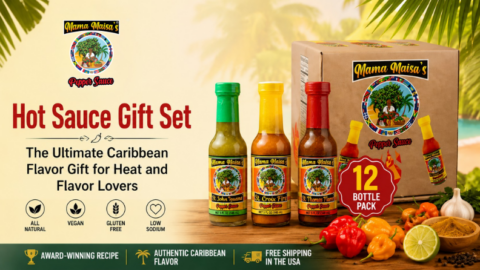
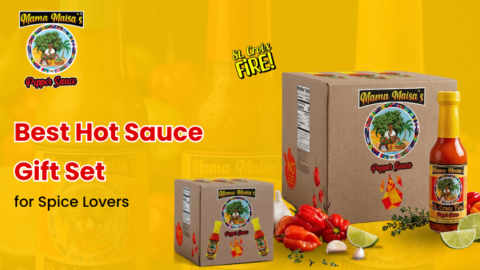
A larger Hot sauce gift set can also make sense for entertaining, gifting, or keeping a supply available for frequent cooking. Businesses and food-service buyers can explore Wholesale Hot Sauce options when purchasing needs go beyond the home kitchen.
Whether you blend your own batch or choose a ready-made bottle, the principle remains the same: the best hot sauce is one that adds heat, flavor, acidity, and character to the food you actually enjoy eating.
Ready to bring Caribbean-inspired Scotch Bonnet flavor to your kitchen? Explore Mama Maisa’s Pepper Sauce and discover St. Croix Fire for your next meal, cookout, seafood dish, or pantry restock.
👉 Shop authentic Caribbean heat here: Mama Maisa’s Pepper Sauce
👉 Mama Maisa’s Contact: Hot pepper sauce

- Hot Sauce Gifts: Best Ideas for Spice Lovers This Holiday Season - October 15, 2026
- Is Hot Sauce Good for You? Health Benefits, Risks & What to Look For - October 12, 2026
- Types of Hot Sauce: A Complete Guide to Flavors, Heat Levels & Styles - October 8, 2026