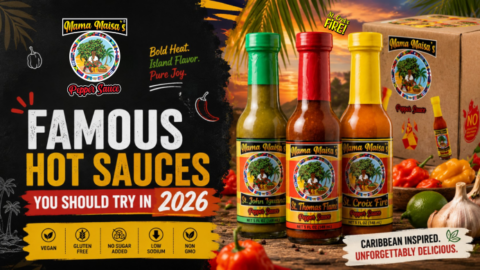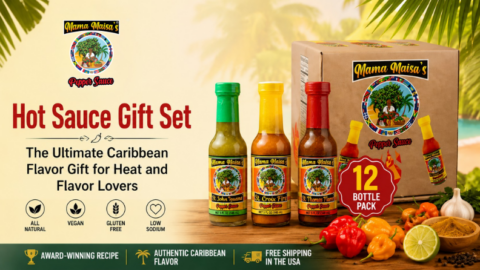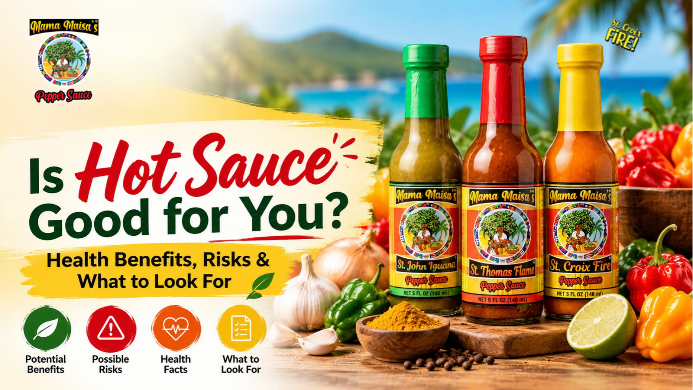
Hot sauce can be part of a balanced diet for many people, but whether it is good for you depends on its ingredients, sodium content, serving size, and your tolerance for spicy food. Chili peppers contain capsaicin, the compound responsible for their characteristic heat, which has been studied for its potential effects on appetite and energy expenditure. However, not every hot sauce has the same nutritional profile, and spicy condiments are not automatically healthy just because they contain peppers.
If you enjoy bold flavors, you do not necessarily need to give up hot sauce to eat well. Instead, learn how to compare nutrition labels, identify added sugars, choose appropriate sodium levels, and recognize when spicy foods trigger digestive discomfort. The right condiment can add excitement to vegetables, lean proteins, rice bowls, and other everyday meals without requiring large quantities.
Is Hot Sauce Healthy?
Hot sauce can be a healthy condiment choice when consumed in moderation as part of a balanced diet. Chili peppers contain capsaicin, which researchers have studied for potential effects on appetite and metabolism. However, sodium and added sugar vary by product, and spicy sauces may aggravate heartburn or digestive discomfort in sensitive individuals. Check the label and consider your personal tolerance.
What Is Hot Sauce Made Of?
Hot sauce is a condiment made primarily from chili peppers, often combined with vinegar, citrus, salt, garlic, onion, and other seasonings. Some varieties also contain sugar, fruit, oils, or thickening ingredients. The specific recipe determines its flavor, consistency, heat level, and nutritional characteristics.
Understanding the ingredients is an important first step when evaluating hot sauce nutrition.
1. Chili peppers
Chili peppers provide the heat and distinctive flavor found in many hot sauces. Depending on the variety, peppers can taste earthy, smoky, grassy, fruity, or intensely pungent.
Many hot peppers contain capsaicin, a naturally occurring compound that activates certain sensory receptors responsible for detecting heat and irritation. Its effects depend on the pepper variety, concentration, and amount consumed.
2. Vinegar and citrus
Vinegar contributes acidity and a sharp flavor, while lime and other citrus ingredients can create a fresher, brighter taste. These ingredients help shape the sauce’s overall flavor profile.
People who experience reflux may find acidic ingredients uncomfortable, although individual food triggers vary.
3. Salt and sodium
Salt contributes flavor and may serve functional purposes in sauce production. However, sodium content varies considerably between products.
If you monitor your sodium intake, compare the milligrams per serving on the Nutrition Facts label rather than relying on the product name or marketing description.
4. Garlic, onion, herbs, and spices
Garlic, onion, mustard, curry, and other seasonings create complexity beyond pepper heat. These ingredients can make a sauce more versatile for marinades, dipping sauces, and everyday cooking.
5. Sweeteners, oils, and thickeners
Some sauces contain added sugar, syrups, oils, or thickening agents to produce a sweeter flavor or thicker consistency. These ingredients are not necessarily inappropriate, but they may influence the product’s nutritional profile.
A simple pepper-and-vinegar sauce can differ substantially from a sweet chili glaze or a thick, oil-based condiment. Read the ingredient list and Nutrition Facts label to understand what you are buying.
What Are the Potential Benefits of Hot Sauce?
The potential hot sauce health benefits depend on the recipe, the amount consumed, and how the sauce fits into your overall eating pattern. Some advantages are culinary, while others relate to compounds found in chili peppers that researchers continue to investigate.
Capsaicin and the sensation of heat
Capsaicin interacts with heat-sensitive sensory receptors, including TRPV1 receptors. These receptors help explain why eating a hot pepper produces a burning sensation even though the food is not physically hot.
Researchers have studied capsaicin for possible effects on appetite, energy expenditure, and other physiological processes. However, findings from concentrated supplements or controlled research settings cannot automatically be applied to an ordinary bottle of hot sauce.
A sauce’s heat level alone does not tell you whether it provides a particular health benefit.
Flavor without necessarily adding many calories
Some hot sauces deliver a strong flavor in a small serving. This can be useful when you want to add zest to a meal without relying entirely on creamy dressings or sweet condiments.
However, not all hot sauces have the same calorie content. Oils, sugar, and other ingredients can change the nutritional profile, so check the label if calories are important to your dietary goals.
Making balanced meals more appealing
One practical benefit of hot sauce is that it can make nutritious foods more enjoyable.
For example, a small drizzle may add flavor to:
- Roasted broccoli, cauliflower, or Brussels sprouts.
- Rice and black bean bowls.
- Grilled chicken or turkey.
- Baked fish or shrimp.
- Lentils, chickpeas, and other plant-based meals.
- Whole-grain wraps filled with vegetables and protein.
This is a culinary advantage rather than proof that hot sauce directly improves health. Its value comes from helping you prepare meals you enjoy while maintaining a varied, balanced diet.
Potential effects on appetite and energy expenditure
Capsaicin has been investigated for its possible influence on thermogenesis, the process through which the body produces heat, and energy expenditure.
A systematic review and meta-analysis published in 2011 found that capsaicin and related compounds could have small effects on energy expenditure and appetite, although the evidence varied across studies. More recent research has also examined capsaicin supplementation, with findings suggesting modest effects on some weight-related measures rather than dramatic changes.
You can read the research in this systematic review of capsaicin and weight management.
The important distinction is that research on measured doses of capsaicin or supplements does not prove that eating hot sauce will produce the same results. Hot sauce should not be treated as a metabolism booster or weight-management treatment.
Dietary flexibility
Some hot sauces are suitable for vegan or gluten-free eating patterns, making them convenient for a wide range of meals. However, recipes differ, and certain products may contain mustard, other allergens, or ingredients that do not fit a person’s dietary requirements.
Check the actual ingredient list and allergen information rather than assuming that every pepper sauce meets the same standards.
Is Hot Sauce Good for You Every Day?
For many adults, eating hot sauce every day can be reasonable if portions are modest, the overall diet is balanced, and the product’s sodium and added-sugar content fit their needs.
There is no single daily amount that is appropriate for everyone. A person who comfortably eats spicy foods may tolerate a small serving regularly, while someone who experiences heartburn or abdominal discomfort may need to reduce their intake.
Consider these factors before making hot sauce a daily habit:
- Portion size: A little can deliver plenty of flavor, particularly with very hot peppers.
- Sodium: Check the amount per serving and how it contributes to your total daily intake.
- Added sugars: Compare labels, especially when choosing sweeter sauces.
- Personal tolerance: Pay attention to burning, stomach discomfort, or changes in bowel habits.
- Existing digestive symptoms: If spicy or acidic foods consistently aggravate symptoms, adjust your intake.
- Overall eating pattern: A condiment cannot compensate for an otherwise unbalanced diet.
The U.S. Food and Drug Administration provides guidance on interpreting added sugars on the Nutrition Facts label. Using the label to compare products is more reliable than judging a sauce solely by its flavor or branding.
Is Hot Sauce Bad for You? Risks to Consider
Hot sauce is not inherently bad for you, but some products and eating habits may create problems for particular individuals.
Heartburn and acid reflux
Spicy foods are common symptom triggers for some people with gastroesophageal reflux disease (GERD). However, not everyone with reflux reacts to spicy foods, and experiencing heartburn after eating a condiment does not establish that the food caused an underlying disease.
If you regularly experience symptoms, consider reducing your portion or avoiding ingredients that consistently make you uncomfortable.
Mouth irritation and burning
The burning sensation from capsaicin is a normal sensory response to spicy peppers. Nevertheless, very hot sauces can cause substantial discomfort, particularly for people who are not accustomed to them.
Start with a small amount, avoid touching your eyes after handling pepper sauce, and wash your hands thoroughly.
Abdominal discomfort or diarrhea
Some people experience abdominal discomfort, urgency, or diarrhea after eating spicy food. Sensitivity varies, and a sauce’s acidity, ingredients, and portion size may also matter.
If a particular sauce repeatedly causes symptoms, reduce your intake or choose a milder alternative.
Excess sodium
Some hot sauces contain enough sodium to matter when used frequently, especially alongside other salty foods. This does not mean all hot sauce is high in sodium.
Compare the sodium per serving, pay attention to the serving size, and consider your overall dietary needs.
Added sugars
Certain hot sauces, glazes, and sweet chili condiments contain added sugars. If you are trying to limit added sugar, review both the Nutrition Facts panel and ingredient list.
A product marketed as spicy or natural is not necessarily free from sweeteners.
Allergens and dietary restrictions
Mustard, which appears in some Caribbean-inspired sauces, is a relevant allergen for people with mustard allergies. Other ingredients may also matter depending on the recipe.
Always read the current package’s ingredient and allergen information. If you have a known food allergy, do not assume that a product is safe based on its name or general dietary positioning.
Seek appropriate medical advice for persistent or severe digestive symptoms. Chest pain, difficulty swallowing, or signs of gastrointestinal bleeding warrant prompt medical evaluation rather than simply changing condiments.
Acid Reflux and Spicy Food: What Should You Know?
The relationship between acid reflux and spicy food is individual. Some people notice burning or discomfort after eating hot peppers, while others tolerate spicy meals without difficulty.
The National Institute of Diabetes and Digestive and Kidney Diseases identifies spicy foods among the items that can worsen GERD symptoms in some people. Its guidance recommends paying attention to personal triggers rather than assuming that everyone needs to avoid the same foods.
Read more in the NIDDK guide to eating and nutrition for GERD.
If hot sauce appears to trigger symptoms, consider these practical steps:
- Use a smaller amount or choose a milder pepper sauce.
- Keep track of which ingredients or meals cause discomfort.
- Avoid eating foods that consistently worsen your symptoms.
- If symptoms occur at night, follow medical guidance about meal timing before lying down.
- Seek medical advice if symptoms persist or interfere with daily life.
Switching brands may change the amount of spice, acidity, or other ingredients you consume, but it is not a guaranteed solution for reflux.
Is Hot Sauce Good for Weight Loss?
Hot sauce is not a reliable standalone weight-loss strategy. Although capsaicin has been studied for possible effects on appetite and energy expenditure, the evidence does not establish ordinary hot sauce as a fat-burning shortcut.
Some research suggests that capsaicin may have modest effects on certain weight-related outcomes. However, research designs, doses, study durations, and participant characteristics vary. Results from supplements should not be assumed to apply directly to culinary portions of pepper sauce.
If weight management is your goal, consider the following:
- Choose condiments that fit your overall nutrition plan.
- Compare calories, added sugars, and oils when these factors matter to you.
- Use hot sauce to add flavor to vegetables, beans, lean proteins, and other balanced meals.
- Avoid relying on a condiment to compensate for broader dietary habits.
- Focus on sustainable eating patterns, physical activity, sleep, and other relevant lifestyle factors.
Hot sauce may help make balanced meals more enjoyable, but its role is primarily culinary. You do not need to eat increasingly spicy food to obtain weight-management benefits.
What Makes Scotch Bonnet Peppers Different?
Scotch bonnet peppers are known for their distinctive fruity character and pronounced heat. They are widely associated with Caribbean-inspired cooking, where pepper flavor often works alongside aromatic spices, herbs, citrus, and savory ingredients.
Unlike milder chilies that contribute gentle warmth, Scotch bonnet peppers can provide a powerful combination of pungency and fruitiness. Their flavor can be especially appealing in sauces designed to complement grilled foods, seafood, rice, beans, and vegetable dishes.
The experience depends on the pepper, its preparation, the sauce formulation, and the amount used.
How other ingredients balance Scotch bonnet heat
A well-composed Caribbean hot sauce may combine several flavor elements:
- Curry: Adds warm, aromatic seasoning.
- Mustard: Contributes tanginess and savory depth.
- Garlic and onion: Provide familiar aromatic notes.
- Lime: Adds brightness and citrus character.
- Additional spices: Build complexity beyond the pepper’s heat.
These ingredients create a more layered flavor profile than heat alone. The goal is not necessarily to make every meal as spicy as possible, but to find a balance that complements the food.
Health Benefits of Scotch Bonnet Pepper Sauce: What Can You Realistically Expect?
The potential health benefits of Scotch Bonnet Pepper Sauce depend on its actual ingredients, nutrition profile, serving size, and place in your overall diet.
Scotch bonnet peppers contain capsaicin, which has been studied for several possible physiological effects. However, the presence of capsaicin in a finished sauce does not establish that the product prevents disease, improves metabolism to a clinically meaningful degree, or treats digestive problems.
It helps to distinguish four separate considerations:
- Pepper properties: Chili peppers contain naturally occurring compounds, including capsaicin.
- Finished-sauce nutrition: Sodium, added sugar, calories, and other nutrients depend on the recipe.
- Culinary usefulness: Flavorful sauces can make a variety of meals more appealing.
- Medical claims: A condiment should not be considered a substitute for medical treatment or a concentrated supplement.
For consumers interested in health-conscious condiment choices, the best approach is to review the specific product label and use the sauce in portions that suit their preferences and needs.
How to Choose a Health-Conscious Hot Sauce
The healthiest choice is not necessarily the hottest, most expensive, or most heavily marketed product. Instead, compare the characteristics that matter to your diet.
Your hot sauce shopping checklist
1. Sodium per serving
Compare milligrams of sodium across similar products. Remember that consuming multiple servings increases the total amount.
2. Added sugar
Look for the added-sugars line on the Nutrition Facts panel and review the ingredient list for sweeteners. This is particularly important for sweet chili sauces and glazes.
3. Serving size
Check the serving size before comparing nutrition information. A sauce may appear low in sodium or calories per serving, but your actual portion may be larger.
4. Ingredient transparency
Choose products with ingredient information you can understand and verify. Pepper varieties, seasonings, acidity, oils, and sweeteners all influence the final formulation.
5. Allergen information
Check for mustard and any other ingredients relevant to your allergies or dietary restrictions.
6. Vegan and gluten-free suitability
Do not rely on assumptions. Verify the current ingredients and any relevant product statements before buying.
7. Heat level
Scotch bonnet and other hot peppers can be intense. Choose a heat level that enhances your meal without causing discomfort.
8. Additional oils or thickeners
These ingredients may affect the texture and nutritional profile. Their presence is not automatically a problem; what matters is how the product fits your preferences and needs.
9. Marketing claims
Words such as “natural,” “premium,” and “clean” do not automatically mean a product is nutritionally superior. Similarly, claims such as “low sodium” and “sugar-free” should be evaluated against the actual label and applicable U.S. labeling requirements.
A sauce that fits your personal nutrition goals, tastes good, and works with your cooking habits is often a more practical choice than one selected solely because of a health-related marketing claim.
Product Spotlight: Mama Maisa’s St. Croix Fire Scotch Bonnet Pepper Sauce
For people who enjoy bold Caribbean-inspired flavor, Mama Maisa’s St. Croix Fire Scotch Bonnet Pepper Sauce is an option worth exploring. Its stated flavor profile combines Scotch bonnet pepper heat with warm curry notes, tangy mustard, aromatic garlic and onion, bright lime, and a proprietary blend of island-inspired spices.
Rather than relying on pepper heat alone, this combination is designed to provide several complementary flavor elements.
The brand describes its sauce range using dietary characteristics such as vegan, gluten-free, and low-sodium or sugar-free positioning. Because product formulations and labeling details matter, check the current product page and package for the exact ingredient list, Nutrition Facts, allergens, and applicable claims before purchasing.
You can explore the brand’s Scotch bonnet pepper sauce to learn more about its Caribbean-inspired approach to flavor.
Ways to use St. Croix Fire Scotch Bonnet Pepper Sauce
Grilled chicken or turkey: Add a small amount after grilling or incorporate it into a marinade. The pepper heat and savory seasonings can complement the smoky flavor of grilled poultry.
Fish and shrimp: Combine a little sauce with suitable marinade ingredients for a bright, spicy seafood dish. Adjust the quantity to your tolerance.
Rice and beans: Stir a small amount into a bowl of rice and beans to add pepper heat and aromatic seasoning.
Roasted vegetables: Drizzle lightly over roasted cauliflower, broccoli, peppers, or other vegetables.
Sandwiches and wraps: Mix the sauce into a spread or add a small amount to a wrap filled with vegetables and protein.
Dipping sauces: Blend a small quantity with an appropriate base to create a customizable dip.
The best starting point is a small serving. Scotch bonnet peppers can be very hot, and individual tolerance varies.
Explore different sauce options
If you are comparing products for your kitchen, consider browsing the available Hot sauce brands and reviewing the individual ingredient and nutrition information.
People looking for plant-based options can also explore the brand’s Vegan hot sauce selection and verify each product’s current ingredients.
For customers considering different pack sizes or gifting options, the website also provides pages for a Popular hot sauce bundle selection, a two-pack listed under Organic hot sauce, and a three-pack listed under Best hot sauces. These are navigation labels, not independent verification of organic status or comparative health benefits.
You can also review the Spicy sauce bundle, the six-pack listed under Low sodium hot sauce, and the case option presented as a Hot sauce gift set. Check the current listing and package for applicable product details before ordering.
Businesses interested in purchasing in larger quantities can review the brand’s Wholesale Hot Sauce information.
The key is to select a sauce for its flavor, ingredients, and suitability for your needs rather than assuming that a particular product delivers a medical or nutritional benefit.
Hot Sauce Comparison Table
Different hot sauces can serve different culinary purposes. Use the following table to compare the features that matter when selecting a condiment.
| Factor | What to Check | Why It Matters |
|---|---|---|
| Sodium | Milligrams per serving | Helps you compare salt content across products |
| Added sugar | Grams per serving and ingredient list | Helps identify sweeter formulations |
| Heat | Pepper variety and personal tolerance | Helps you choose a comfortable spice level |
| Dietary suitability | Ingredients and allergen declarations | Helps identify products that fit your needs |
| Flavor profile | Peppers, vinegar, citrus, and spices | Helps you match the sauce to your meal |
| Serving size | Amount listed on the label | Makes nutrition comparisons more meaningful |
| Oils and thickeners | Ingredient list and nutrition panel | Helps explain differences in formulation |
| Packaging claims | Current product label and supporting details | Helps distinguish verified information from marketing language |
No single category determines whether a hot sauce is healthy. The right choice depends on the product’s full nutritional profile and how much you use.
Practical Ways to Enjoy Hot Sauce
Hot sauce can bring variety to everyday cooking without becoming the main feature of every dish. Start with a small quantity and adjust according to the sauce’s heat and your preferences.
- Grilled chicken: Finish grilled chicken with a light drizzle of pepper sauce.
- Citrus seafood: Pair a small amount with fish or shrimp and suitable citrus-based seasoning.
- Roasted vegetables: Toss or drizzle lightly over vegetables before serving.
- Rice-and-bean bowls: Add a little sauce to beans, rice, and vegetables for a more complex flavor.
- Plant-based wraps: Mix a small amount into a wrap filling made with beans, tofu, or vegetables.
- Marinades: Combine pepper sauce with other appropriate marinade ingredients to season proteins or vegetables.
- Sandwich spreads: Stir a little into a spread or dressing to create a spicy variation.
- Dipping sauces: Blend a small amount into a dip and taste before adding more.
With very hot peppers, more sauce does not necessarily mean more flavor. A modest quantity may be enough to complement the meal while keeping the heat comfortable.
FAQs
Is hot sauce healthy?
Hot sauce can fit into a balanced diet, particularly when used in modest amounts. Chili peppers contain capsaicin, which researchers have studied for potential physiological effects. However, sodium, added sugars, and other ingredients vary between products. Choose based on the Nutrition Facts label, ingredients, and personal tolerance rather than assuming all hot sauces offer the same benefits.
Is hot sauce good for you every day?
Daily hot sauce consumption may be reasonable for many people if the amount is moderate and the product fits their dietary needs. Pay attention to sodium, added sugars, and digestive symptoms. If a sauce repeatedly causes heartburn, abdominal discomfort, or diarrhea, reduce your intake or choose another option.
Does hot sauce speed up metabolism?
Capsaicin has been studied for possible effects on thermogenesis and energy expenditure. Some studies report small effects, but research findings do not establish that ordinary hot sauce meaningfully accelerates metabolism or produces substantial weight loss. A condiment should not replace balanced nutrition, regular physical activity, or evidence-based weight-management care.
Is hot sauce good for weight loss?
Hot sauce is not a standalone weight-loss solution. A flavorful sauce may help you enjoy balanced meals, but its nutritional value depends on its ingredients and serving size. Research on capsaicin suggests possible modest effects in some circumstances, not guaranteed results. Sustainable weight management depends on broader dietary patterns, activity, and individual factors.
Can hot sauce cause acid reflux?
Yes, spicy foods can trigger or worsen reflux symptoms in some people, although others tolerate them without difficulty. Hot sauce may also contain acidic ingredients that some individuals find uncomfortable. If you notice a consistent relationship between a sauce and your symptoms, reduce your portion or avoid that trigger and seek medical advice if symptoms persist.
Are Scotch bonnet peppers healthy?
Scotch bonnet peppers contain capsaicin and other naturally occurring pepper compounds. Their presence alone does not establish a particular medical benefit. Their contribution to a finished sauce depends on the recipe and quantity consumed. Scotch bonnet peppers are also notably hot, so use an amount that suits your personal tolerance.
Is Scotch Bonnet Pepper Sauce suitable for vegans?
Some Scotch Bonnet Pepper Sauce products are vegan, but suitability depends on the specific recipe. Check the current ingredient list and relevant product information before buying. Do not assume that all sauces in the category have identical ingredients or that a general brand description confirms the status of every product.
What should I look for when buying low-sodium hot sauce?
Compare the sodium milligrams per serving on the Nutrition Facts label and consider the serving size you actually use. Check other ingredients, too, including added sugars and oils. Do not rely on the product name alone: verify any low-sodium claim against the current packaging and applicable labeling standards.
Conclusion: Is Hot Sauce Good for You?
So, is hot sauce good for you? For many people, it can be an enjoyable part of a balanced diet. Chili peppers contain capsaicin, which researchers continue to study, and hot sauce can make vegetables, beans, lean proteins, and other everyday meals more flavorful. However, the potential benefits should not be exaggerated, and hot sauce is not a treatment for disease or a shortcut to weight loss.
The most useful approach is to compare sodium, added sugar, serving size, and ingredients. Consider your personal spice tolerance, especially if you experience heartburn or other digestive symptoms.
If you appreciate fruity Scotch bonnet heat, curry-inspired warmth, tangy mustard, garlic, onion, and bright lime, explore Mama Maisa’s St. Croix Fire Scotch Bonnet Pepper Sauce and review the current product details before purchasing.
Ready to explore Caribbean-inspired flavor? Visit Mama Maisa’s Pepper Sauce to browse the available products, compare options, and find a sauce that suits your cooking preferences and dietary needs.
Health information disclaimer: This article is for general educational purposes and is not a substitute for personalized medical or dietary advice. Consult a qualified healthcare professional about persistent symptoms, food allergies, or individual nutrition concerns.
👉 Shop authentic Caribbean heat here: Mama Maisa’s Pepper Sauce
👉 Mama Maisa’s Contact: Hot pepper sauce

- Hot Sauce Gifts: Best Ideas for Spice Lovers This Holiday Season - October 15, 2026
- Is Hot Sauce Good for You? Health Benefits, Risks & What to Look For - October 12, 2026
- Types of Hot Sauce: A Complete Guide to Flavors, Heat Levels & Styles - October 8, 2026