Hot sauce is not one single style. The types of hot sauce available today can differ dramatically based on the peppers used, acidity, preparation method, texture, fermentation, regional traditions, and overall flavor profile. Two sauces can have similar heat levels yet taste completely different because one emphasizes vinegar and brightness while another focuses on fruitiness, smoke, garlic, or spices.
That difference becomes especially noticeable with Scotch Bonnet peppers. Known for their intense heat and fruity, aromatic character, Scotch Bonnets are closely associated with many Caribbean-inspired flavor profiles. When combined with ingredients such as mustard, garlic, lime, onion, and curry-style spices, they can create a sauce that delivers more than simple heat.
This guide breaks down the major kinds of hot sauce, explains types of hot sauce by heat level, explores Caribbean-style sauces, and shows how to match different sauces with foods from eggs and seafood to burgers, BBQ, rice bowls, and plant-based meals.
What Are the Different Types of Hot Sauce?
The different types of hot sauce are best understood by looking at several characteristics: the pepper variety, heat level, acidity, texture, fermentation, regional tradition, flavor profile, and intended food pairing.
Here is a quick comparison:
| Hot Sauce Type | Typical Flavor | Heat Range | Best Uses |
|---|---|---|---|
| Cayenne-style | Bright, tangy, pepper-forward | Mild–hot | Eggs, wings, sandwiches |
| Louisiana-style | Vinegar-forward and sharp | Mild–hot | Fried foods, seafood |
| Mexican-style | Pepper and spice focused | Mild–hot | Tacos, beans, grilled foods |
| Caribbean-style | Fruity, aromatic, spicy | Medium–very hot | Seafood, grilled foods, rice |
| Scotch Bonnet sauce | Fruity, intense, aromatic | Hot–very hot | Caribbean dishes, marinades |
| Fermented hot sauce | Tangy, complex, layered | Varies | Everyday cooking |
| Smoky pepper sauce | Deep, smoky, savory | Mild–hot | BBQ, grilled meats |
| Sweet-heat sauce | Sweet, spicy, balanced | Mild–medium/hot | Chicken, sandwiches, dipping |
These categories are useful starting points rather than rigid rules. Regional hot sauces can vary significantly from one recipe to another.
What Are the Main Kinds of Hot Sauce?
The main kinds of hot sauce can be separated by how they are prepared and the flavor experience they are designed to create. Some are thin and acidic, while others are thicker and more concentrated. Some rely on fermentation for complexity, while others highlight fresh peppers and aromatic ingredients.
Vinegar-Based Hot Sauce
A vinegar based hot sauce typically has a noticeable acidic character, a relatively thin consistency, and a pepper-forward flavor. Vinegar can provide brightness and help cut through rich or fried foods.
This style works particularly well when you want a sauce that spreads flavor quickly across a dish. Try it on scrambled eggs, fried chicken, wings, seafood, sandwiches, or other foods that benefit from acidity.
The appeal is its simplicity: pepper provides heat and character while vinegar supplies sharpness and lift.
Fermented Hot Sauce
Fermented hot sauce is made by allowing peppers and other ingredients to undergo fermentation before the sauce is finished. This process can produce a tangier, deeper, and more complex flavor than a sauce made entirely from fresh peppers.
Fermentation can change the character of the peppers, creating additional layers of acidity and savory complexity. That makes fermented sauces useful when you want more than straightforward pepper heat.
Preparation matters significantly here. Two sauces using similar peppers can taste very different depending on whether the peppers are fresh, cooked, fermented, or processed in another way.
Pepper Mash Sauce
A pepper mash sauce begins with peppers that have been crushed or processed into a mash. The resulting mixture can serve as a concentrated foundation for a finished hot sauce.
Pepper mash can provide a fuller pepper texture and strong flavor presence. Depending on the final recipe, additional ingredients such as vinegar, spices, aromatics, or other flavor components can transform that mash into a pourable sauce.
For shoppers, understanding pepper mash is useful because it explains why some sauces feel more intensely pepper-driven than thin, highly acidic sauces.
Louisiana-Style Hot Sauce
Louisiana-style hot sauce is generally associated with a bright, acidic profile built around peppers and vinegar. Many examples are thin and pourable, making them easy to distribute across fried foods, seafood, eggs, and other everyday dishes.
Not every Louisiana-style sauce follows the same formula, but acidity is often an important part of the style.
Its strength is versatility. A few drops can brighten fried chicken, seafood, eggs, or a sandwich without dramatically changing the texture of the food.
Mexican-Style Hot Sauce
Mexican-style hot sauces encompass a wide range of preparations rather than one standardized recipe. Depending on the sauce, they may feature fresh or dried peppers, roasted flavors, spices, tomato, fruit, or other ingredients.
This diversity is one reason Mexican-style sauces work across so many foods. Tacos, beans, grilled meats, vegetables, and other dishes can each call for a different flavor direction.
A roasted-pepper sauce, for example, creates a different experience from a bright, fresh-pepper sauce.
Caribbean-Style Hot Sauce
Caribbean-style hot sauce is one of the most distinctive categories for people who enjoy fruity, aromatic heat. Scotch Bonnet peppers are particularly important to many Caribbean-inspired profiles because they combine substantial heat with a naturally fruity character.
Depending on the recipe and island tradition, Caribbean sauces can incorporate ingredients such as mustard, garlic, onion, lime, curry-style spices, and other aromatic elements.
So, what are the different types of caribbean hot sauce? There is no single answer because Caribbean hot sauces vary by island, household recipe, pepper choice, acidity, sweetness, spices, and preparation method.
What makes the category especially interesting is the balance between heat and flavor. A Caribbean-inspired sauce can bring tropical character and aromatic depth to seafood, grilled chicken, shrimp, rice dishes, marinades, and vegetables.
For readers who want this flavor profile without making a sauce from scratch, a ready-made Caribbean-inspired sauce can be a convenient way to introduce those flavors into everyday meals.
What Are the Different Hot Sauce Flavors?
The best hot sauce is not necessarily the hottest one. For many meals, flavor compatibility matters more than raw intensity.
Here are several common hot sauce flavors and the foods they complement:
| Flavor Profile | Common Characteristics | Best Food Pairings |
|---|---|---|
| Tangy | Vinegar, citrus, bright acidity | Seafood, fried foods |
| Fruity | Scotch Bonnet, habanero, fruit | Chicken, tacos, grilled food |
| Smoky | Smoked peppers, roasted spices | BBQ, burgers |
| Garlicky | Garlic-forward aromatics | Pasta, meat, vegetables |
| Sweet Heat | Sweetness balanced with peppers | Chicken, sandwiches |
| Curry-Spiced | Curry, mustard, garlic, spices | Rice, seafood, grilled foods |
| Savory | Garlic, onion, spices | Bowls, meats, vegetables |
Thinking about flavor this way makes it easier to choose a sauce instead of simply reaching for the bottle with the highest heat rating.
For example, a fruity Scotch Bonnet sauce can be excellent with grilled shrimp because the pepper’s aromatic character works with seafood. A smoky sauce may be a better match for a burger or BBQ because its deeper profile complements grilled flavors.
How Do Hot Sauce Heat Levels Compare?
The Scoville scale is commonly used to describe the pungency or heat associated with chili peppers. It helps consumers understand how intensely spicy a pepper can be.
However, the heat of a finished sauce cannot always be determined simply by looking at the raw pepper’s heat. A recipe can dilute, blend, balance, or combine peppers with other ingredients, changing how the finished product feels on the palate.
A practical way to think about sauce heat is:
| Heat Level | General Experience | Good For |
|---|---|---|
| Mild | Gentle warmth | Beginners, breakfast |
| Medium | Noticeable heat | Everyday meals |
| Hot | Strong pepper heat | Spice lovers |
| Very Hot | Intense heat | Experienced chili enthusiasts |
This is why a sauce made with a very hot pepper can still feel balanced when its formulation includes acidity, sweetness, aromatics, or other ingredients.
What Are the Types of Hot Sauce by Heat Level?
When comparing types of hot sauce by heat level, don’t look at pepper variety alone. The final experience can be influenced by several factors:
- Pepper variety
- Pepper concentration
- Recipe dilution
- Acidity
- Sweetness
- Fat in the food
- Serving size
Food itself can also change the way heat is perceived. A rich meal may make a sauce feel different from tasting that same sauce by itself.
This is particularly important with Scotch Bonnet sauces. The pepper can provide significant heat, but its fruity character gives the sauce another dimension. A well-balanced sauce should be evaluated for aroma and flavor as well as intensity.
How Does Scotch Bonnet Pepper Sauce Taste?
A quality Scotch Bonnet Pepper Sauce is about much more than heat. Scotch Bonnet peppers are commonly recognized for a fruity, aromatic, bright, tropical character alongside their intense heat.
That combination makes them especially interesting in Caribbean-inspired sauces.
The flavor can become even more layered when Scotch Bonnets are combined with ingredients such as mustard, garlic, lime, onion, and curry-style spices. Mustard can contribute tang and depth, lime can add brightness, garlic and onion can provide savory aromatics, and curry-style spices can bring warmth.
That balance is why Scotch Bonnet sauce can work beyond traditional spicy-food applications. It can be used with seafood, grilled meats, vegetables, rice bowls, marinades, sandwiches, and more.
If you are comparing Scotch bonnet pepper sauce, consider the whole flavor profile rather than choosing solely according to heat.
Which Type of Hot Sauce Is Best for Different Foods?
Understanding different types of hot sauce and how to use them becomes much easier when you start with the food.
| Food | Recommended Sauce Style | Why |
|---|---|---|
| Eggs | Vinegar or cayenne | Cuts through richness |
| Fried chicken | Vinegar or sweet heat | Adds acidity and spice |
| Seafood | Caribbean or citrus-forward | Complements delicate flavors |
| Shrimp | Scotch Bonnet or Caribbean | Adds bright heat |
| Tacos | Mexican-style | Matches spices |
| Burgers | Smoky or sweet heat | Adds depth |
| BBQ | Smoky pepper sauce | Complements grilled flavors |
| Rice bowls | Caribbean or curry-style | Adds aromatic warmth |
| Roasted vegetables | Garlic or Caribbean | Adds depth |
| Plant-based meals | Caribbean or sweet heat | Adds complexity |
The easiest way to use hot sauce is to start small and adjust. For example, add a few drops to scrambled eggs rather than covering the entire plate. Drizzle Scotch Bonnet sauce over grilled shrimp to add bright heat, or mix a Caribbean-style sauce into a rice bowl for aromatic flavor.
You can also brush sauce onto grilled chicken, add a small amount to roasted vegetables, use it in a marinade, pair it with fish tacos, or add a sweet-heat sauce to a sandwich.
The goal is not always to make the food extremely spicy. It is to make the food more interesting.
What Makes Caribbean Hot Sauce Different?
Caribbean-inspired hot sauce often emphasizes the relationship between pepper heat and aromatic flavor. Scotch Bonnet peppers can provide fruity intensity, while mustard, garlic, onion, lime, and curry-style spices can create additional layers.
The result can be a sauce that tastes tropical, savory, bright, spicy, and aromatic at the same time.
However, Caribbean hot sauce should not be treated as one universal recipe. Different islands and cooks use different peppers, spices, levels of acidity, sweetness, and preparation techniques.
St. Croix and the wider U.S. Virgin Islands provide an especially relevant context for consumers interested in Caribbean-inspired flavors. For shoppers in places such as Florida, New York, Texas, and California, these flavor profiles can provide a way to explore Caribbean-influenced specialty foods at home.
The key distinction is balance. Caribbean-inspired sauces can deliver substantial pepper heat while still giving the palate fruitiness, aromatics, acidity, and spice.
How to Choose the Right Hot Sauce
Choosing among the many types of hot sauce becomes easier when you identify what you want from the bottle.
Choose based on heat if you prioritize intensity
If your main goal is spice, compare sauces according to their general heat level and pepper concentration. Start with mild or medium sauces if you are new to hot peppers.
Choose based on acidity if you want brightness
Vinegar-forward or citrus-influenced sauces can bring sharpness that works particularly well with fried foods, seafood, and rich dishes.
Choose based on fruitiness if you enjoy aromatic peppers
Scotch Bonnet and habanero-style profiles can provide fruity heat alongside spice. This makes them particularly useful for grilled foods, seafood, tacos, and Caribbean-inspired dishes.
Choose based on texture
Some people prefer thin, pourable sauces that spread quickly. Others enjoy a thicker pepper-based texture with a stronger concentrated character.
Choose based on dietary preferences
Consumers may specifically look for vegan, gluten-free, sugar-free, or low-sodium options. Product-specific claims should always be verified against the manufacturer’s current product information and label.
For shoppers comparing Hot sauce brands, looking beyond heat can lead to a better match for their cooking style.
Why Mama Maisa’s St. Croix Fire Stands Out
Once you understand the major sauce categories, a Caribbean-inspired Scotch Bonnet sauce becomes easier to evaluate.
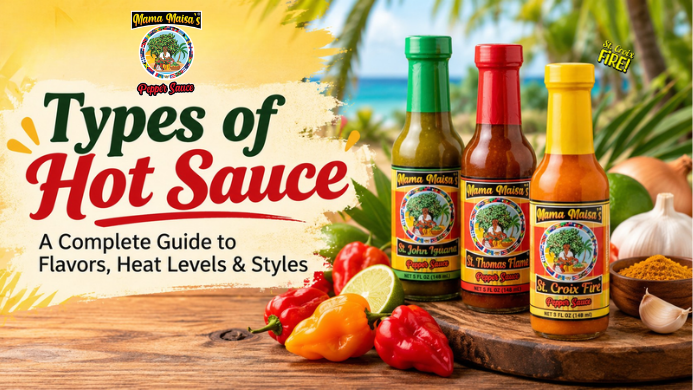
Mama Maisa’s St. Croix Fire combines Scotch Bonnet peppers with curry, mustard, garlic, lime, onion, and island-inspired spices. The result is positioned around bold pepper heat with layered Caribbean-inspired flavor and balanced sweet heat.
Each component serves a different role. Scotch Bonnet peppers contribute fruity, distinctive heat. Mustard adds a tangy dimension, while garlic and onion provide savory aromatics. Lime brings brightness, and curry-style spices contribute warmth and complexity.
The sauce also offers vegan, gluten-free, no-sugar, low-sodium, and non-GMO options. These qualities can make it appealing to shoppers who follow specific food preferences.
St. Croix Fire goes beyond extreme-spice challenges with its everyday versatility. Try it with grilled chicken, seafood, shrimp, fish tacos, burgers, sandwiches, rice bowls, eggs, roasted vegetables, plant-based meals, or Caribbean dishes. You can also use it in marinades or serve it with grilled meats.
Readers looking for a Vegan hot sauce can explore the product range according to their own preferences.
For someone interested in a ready-made Caribbean-inspired flavor rather than building a sauce from several ingredients, that convenience can be valuable. You can explore Popular hot sauce options while comparing pack choices and intended uses.
If you are specifically looking for Organic hot sauce, verify the current product labeling and positioning before making a purchase.
Likewise, shoppers comparing Best hot sauces should consider flavor compatibility, not just heat.
For everyday cooking, the best sauce is often the one you can use across multiple meals. A bottle that works on shrimp, chicken, rice bowls, vegetables, sandwiches, and eggs gives you more flexibility than a sauce purchased solely for its heat.
Explore the current St. Croix Fire pack options while available and choose the format that fits how you cook.
FAQs About Types of Hot Sauce
What are the main types of hot sauce?
The main types include vinegar-based, fermented, pepper mash, Louisiana-style, Mexican-style, Caribbean-style, smoky pepper, sweet-heat, and Scotch Bonnet sauces. These categories can overlap because hot sauces are defined by combinations of peppers, acidity, texture, preparation methods, and regional flavor traditions.
What is the difference between vinegar-based and fermented hot sauce?
Vinegar-based hot sauce typically emphasizes direct acidity and a bright, sharp flavor. Fermented hot sauce undergoes fermentation before finishing, which can create additional tanginess and complexity. The two styles can use similar peppers but taste noticeably different because the preparation process changes the final flavor.
How hot is Scotch Bonnet hot sauce?
The heat of Scotch Bonnet hot sauce depends on the pepper concentration and the finished recipe. A raw pepper’s heat does not automatically equal the heat of the sauce because recipes can dilute or balance peppers with other ingredients. Mama Maisa’s St. Croix Fire should not be assigned an unsupported Scoville rating.
What does Caribbean hot sauce taste like?
Caribbean hot sauce can taste fruity, aromatic, spicy, bright, savory, or tropical depending on the recipe. Scotch Bonnet peppers often contribute fruity heat, while ingredients such as mustard, garlic, onion, lime, and curry-style spices can add depth. Caribbean sauces vary significantly by recipe and regional tradition.
What foods pair well with Scotch Bonnet Pepper Sauce?
Scotch Bonnet Pepper Sauce works particularly well with foods that can complement its fruity heat, including grilled shrimp, seafood, chicken, fish tacos, rice bowls, grilled meats, roasted vegetables, eggs, sandwiches, and Caribbean-inspired dishes. Start with a small amount and increase it according to your preferred heat level.
How do I choose the right hot sauce?
Choose according to four main factors: heat, flavor, acidity, and texture. Then consider the food you plan to serve. Fruity Scotch Bonnet sauces can suit seafood and grilled foods, vinegar-forward sauces work well with fried foods, and smoky sauces can complement BBQ and burgers.
What makes a hot sauce flavorful rather than simply hot?
Flavor balance. Heat is only one part of a sauce. Acidity, fruitiness, aromatics, spices, sweetness, texture, and pepper character can all affect the eating experience. A sauce becomes more versatile when its heat works with the other flavors instead of overwhelming them.
Conclusion
The world of types of hot sauce is much broader than simply choosing between mild and hot. Vinegar-based sauces bring acidity, fermented sauces can provide complexity, pepper mash sauces emphasize concentrated pepper character, smoky sauces complement grilled foods, and Mexican- and Louisiana-style sauces offer their own distinct approaches.
Caribbean-style hot sauce stands out for its potential combination of fruity pepper heat and aromatic ingredients. Scotch Bonnet peppers can provide a particularly distinctive foundation for sauces designed around seafood, grilled foods, rice dishes, vegetables, marinades, and everyday meals.
Ultimately, the best sauce depends on what you want from your food: heat, acidity, fruitiness, texture, aroma, or a combination of all of them.
If you want to explore a Caribbean-inspired sauce built around Scotch Bonnet peppers, curry-style warmth, mustard, garlic, lime, onion, and island-inspired spices, Mama Maisa’s St. Croix Fire offers a convenient ready-to-use option. You can also explore Spicy sauce options for different occasions and serving ideas.
For shoppers specifically comparing Low sodium hot sauce choices, review the current product information to find the option that fits your preferences.
And if you’re shopping for a food lover, a Hot sauce gift set can provide a practical way to explore bold flavors across different meals.
For restaurants, specialty retailers, and food businesses interested in larger purchasing options, Wholesale Hot Sauce information can provide a starting point.
The best hot sauce is ultimately the one that makes you want another bite. Explore Mama Maisa’s Pepper Sauce and discover how Caribbean-inspired Scotch Bonnet flavor can bring heat, aroma, and character to everyday food.
👉 Shop authentic Caribbean heat here: Mama Maisa’s Pepper Sauce
👉 Mama Maisa’s Contact: Hot pepper sauce

- Hot Sauce Gifts: Best Ideas for Spice Lovers This Holiday Season - October 15, 2026
- Is Hot Sauce Good for You? Health Benefits, Risks & What to Look For - October 12, 2026
- Types of Hot Sauce: A Complete Guide to Flavors, Heat Levels & Styles - October 8, 2026