There is a particular kind of heat that does more than make your eyes water. It arrives with fruitiness, citrus, aromatics and spice, leaving enough flavor behind that you immediately start thinking about what to put it on next. That is part of the appeal of Caribbean hot sauce the experience can be about far more than raw heat.
In 2026, Caribbean-inspired flavors are receiving more attention across specialty food and condiment culture. The Specialty Food Association’s 2026 trend reporting emphasizes stronger sensory experiences, globally influenced flavors and sauces that add distinctive character to everyday food.
Scotch bonnet peppers sit naturally at the center of that conversation. They bring noticeable heat alongside a distinctive fruity character, making them especially interesting when paired with ingredients such as lime, mustard, garlic, onion and curry.
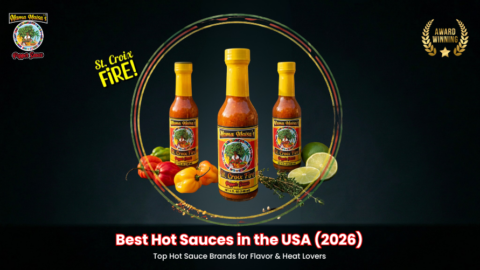
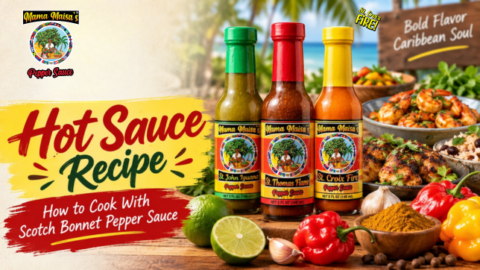
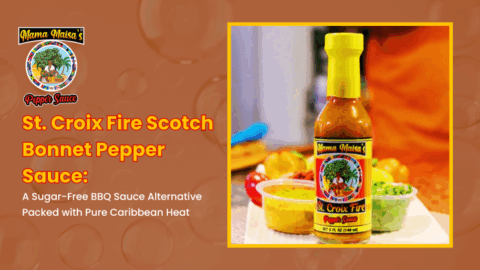
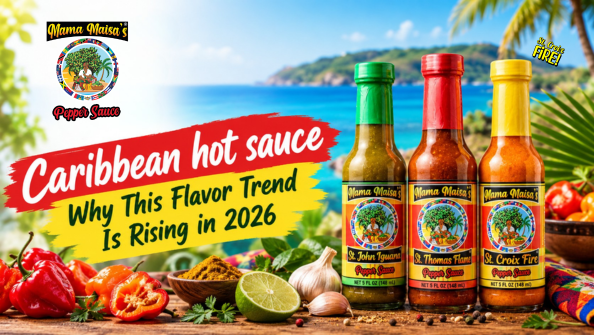
Mama Maisa’s St. Croix Fire Scotch Bonnet Pepper Sauce takes that flavor-first approach, combining Scotch bonnet peppers with curry, garlic, lime, mustard, onion and island-inspired spices. The result is a Caribbean-inspired condiment designed for everything from grilled food and seafood to vegetables, bowls and sandwiches.
This guide explains what makes Caribbean-style hot sauce different, why interest is rising, how Scotch bonnet changes the tasting experience, what to look for when buying a bottle in the USA, and how St. Croix Fire fits into the category.
What Makes Caribbean Hot Sauce Different?
Caribbean hot sauce often stands apart through its combination of flavorful peppers such as Scotch bonnet, acidity from citrus or other ingredients, aromatics, spices and a deliberate balance between heat and flavor. Rather than focusing only on burn, Caribbean-inspired sauces can build layered flavor influenced by diverse Caribbean culinary traditions.
What Makes Caribbean Hot Sauce Different?
At its best, Caribbean hot sauce is not simply a hotter version of a conventional condiment. It is a way of building flavor around the pepper.
A Scotch bonnet pepper sauce, for example, can bring fruity pepper character as well as heat. Add citrus, mustard, garlic, onion and warm spices, and the sauce begins behaving more like a culinary ingredient than a simple heat booster.
That distinction matters.
Many mainstream hot sauces can be vinegar-forward, pepper-forward or relatively straightforward in their seasoning. Caribbean-style sauces can take a more layered route, combining several sensory elements in one spoonful.
Common characteristics include:
- Flavorful chili peppers, often including Scotch bonnet
- Bright acidity
- Aromatic garlic and onion
- Mustard or other savory-tangy ingredients
- Curry and warming spices
- Fruity or tropical pepper character
- Heat balanced with broader seasoning
- A profile suited to cooking as well as table use
There is no single Caribbean hot sauce formula. Caribbean cuisine encompasses numerous islands, cultures, families and culinary traditions, so recipes and flavor combinations can vary significantly.
That diversity is part of the appeal.
For a U.S. consumer accustomed to choosing between vinegar-heavy cayenne sauce, jalapeño sauce and habanero blends, a Caribbean pepper sauce can offer another dimension: heat with a recognizable culinary identity.
Why Is Caribbean Hot Sauce Trending in 2026?
It is better to describe Caribbean hot sauce as a category gaining momentum than to claim it is definitively the fastest-growing hot-sauce segment without authoritative category-level growth data.
Still, there are strong signals behind the interest.
The Specialty Food Association identified sensory intensity as its 2026 Trend of the Year and highlighted products designed to deliver stronger experiences through flavor, aroma, texture and other sensory qualities. Its 2026 Summer Fancy Food Show trend report likewise points to continued innovation across specialty food.
Caribbean-inspired sauces fit naturally into that environment.
Consumers Want More Than Heat
For years, hot-sauce culture has often revolved around one question: How hot is it?
That question still matters to serious chili enthusiasts, but many everyday shoppers also want to know what a sauce actually tastes like.
Is it fruity? Tangy? Smoky? Savory? Citrusy? Sweet? Spiced?
A flavor-first hot sauce gives consumers more reasons to use it repeatedly. The goal is not simply to increase burn; it is to make the food more interesting.
Global Flavors Are Becoming Everyday Flavors
American home cooking has become increasingly comfortable borrowing ideas from cuisines around the world.
A rice bowl can take inspiration from several regions. A burger can use globally influenced condiments. Roasted vegetables can become the base for an entirely different flavor profile with one finishing sauce.
That makes an island hot sauce particularly versatile.
The consumer does not have to cook a complete Caribbean meal to enjoy Caribbean-inspired flavor.
Scotch Bonnet Brings Distinctive Character
Scotch bonnet is important because it has an identity beyond heat.
Its fruity, aromatic character makes it especially compatible with ingredients such as lime, mustard, garlic and warm spices. That gives a scotch bonnet hot sauce the potential to taste rounded and expressive rather than simply aggressive.
Premium Condiments Are Becoming More Culinary
A specialty sauce increasingly has to earn its place in the refrigerator.
Consumers can use a good bottle as a table condiment, marinade ingredient, grilling sauce, finishing drizzle or recipe component.
That versatility helps explain the appeal of gourmet condiments: one bottle can influence several different meals.
Dietary Preferences Matter More
Shoppers also pay closer attention to ingredient and dietary information.
St. Croix Fire is positioned as vegan, gluten-free, no sugar, low sodium, non-GMO and all-natural based on the supplied product information. Those characteristics can make it easier for some shoppers to consider the sauce within their existing food preferences, although dietary labels should always be checked against the current package and product information.
The important point is not that these labels automatically make a sauce healthier. They simply provide useful information about product fit.
Why Is Scotch Bonnet Pepper So Important to Caribbean Hot Sauce?
Scotch bonnet is one of the defining peppers associated with Caribbean-style sauces.
The pepper contributes two different things:
Heat and flavor character.
Those are not the same.
Heat is the physical sensation of chili intensity. Flavor character is everything your palate perceives around that sensation. A sauce can be very hot yet relatively simple in flavor, while another can provide noticeable heat alongside fruitiness, acidity, spice and aromatics.
Scotch bonnet is especially interesting because its character can work with bright ingredients such as lime while also complementing savory ingredients such as mustard, garlic and onion.
That makes it a natural foundation for a Caribbean hot pepper sauce designed around layered flavor.
Individual tolerance varies, of course. The same sauce can feel pleasantly bold to one person and considerably hotter to another, particularly depending on serving size and what food accompanies it.
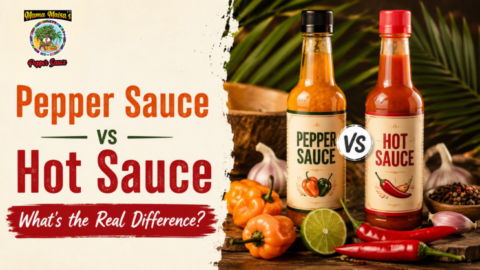
Caribbean Hot Sauce vs Regular Hot Sauce: What’s the Difference?
There is no universal definition of “regular” hot sauce, and mainstream sauces vary enormously. Still, this comparison illustrates why a Caribbean-style sauce can feel different.
| Characteristic | Caribbean-Style Hot Sauce | Common Mainstream Hot Sauce |
|---|---|---|
| Pepper profile | Often Scotch bonnet or other flavorful peppers | Cayenne, jalapeño, habanero or blends |
| Flavor | Aromatic, fruity, savory and layered | Varies from vinegar-forward to pepper-forward |
| Supporting ingredients | Citrus, mustard, curry, garlic, onion and spices | Often vinegar, salt, peppers and seasonings |
| Heat experience | Often bold but flavor-focused | Varies widely |
| Culinary identity | Strong island-inspired character | Can be regional, generic or style-specific |
| Typical use | Grilled foods, seafood, bowls, cooking and table use | Everyday seasoning and cooking |
Neither approach is inherently better.
The right sauce depends on what you want from it.
If you want sharp acidity and simple heat on eggs, a classic vinegar sauce may be perfect. If you want a broader flavor profile with curry, mustard, garlic and Scotch bonnet character, a Caribbean-style sauce may be more appealing.
What Should “Authentic Caribbean Hot Sauce” Actually Mean?
The word “authentic” deserves some care.
The Caribbean is not one culinary culture with one recipe book. Food traditions differ from island to island, community to community and household to household.
A sauce influenced by Jamaican, Guyanese, Trinidadian, Haitian, Virgin Islands or other Caribbean traditions may have very different ingredients and preparation methods.
So an authentic Caribbean hot sauce should not be reduced to a checklist of ingredients.
For consumers, a better question is: What culinary tradition or flavor inspiration does this particular sauce represent, and is the brand transparent about that positioning?
Mama Maisa’s St. Croix Fire is best described here as Caribbean-inspired and island-influenced. Its profile uses Scotch bonnet, curry, garlic, lime, mustard, onion and spices to create a distinctive flavor rather than claiming that one recipe represents the entire Caribbean.
That distinction makes the description more useful—and more respectful of the diversity of Caribbean cooking traditions.
Why St. Croix Fire Stands Out in a Caribbean Hot Sauce Guide
Mama Maisa’s St. Croix Fire is a useful example of the flavor-first approach.
The sauce begins with Scotch bonnet peppers, then layers in curry, mustard, garlic, lime, onion and island-inspired spices.
Instead of thinking of those ingredients as separate features, consider what each contributes to the finished experience.
Scotch bonnet supplies the signature pepper heat and fruity character.
Curry introduces warm aromatic depth.
Mustard contributes tangy, savory sharpness.
Garlic creates a savory foundation.
Lime brings brightness and acidity.
Onion adds rounded depth.
Island-inspired spices complete the layered character.
The supplied product positioning also identifies St. Croix Fire as vegan, gluten-free, no sugar, low sodium, non-GMO and all-natural.
For shoppers looking for a specialty condiment, that combination makes the sauce relevant beyond the traditional “put hot sauce on everything” use case.
It can be a cooking ingredient, finishing sauce and everyday table condiment.
For readers specifically looking for a Scotch bonnet pepper sauce, St. Croix Fire offers a way to explore the pepper through a broader Caribbean-inspired flavor profile.
St. Croix Fire Flavor Profile
| Flavor Element | Role in the Sauce |
|---|---|
| Scotch bonnet pepper | Signature heat and pepper character |
| Curry | Warm aromatic depth |
| Mustard | Tangy, savory sharpness |
| Garlic | Savory richness |
| Lime | Bright acidity |
| Onion | Rounded savory notes |
| Island spices | Layered finishing character |
The key takeaway is balance.
The sauce is not built around one sensation. Scotch bonnet supplies the backbone while the supporting ingredients create contrast.
That is what makes a gourmet Caribbean sauce useful at the table: you can notice the heat while still tasting the food around it.
How Hot Is Caribbean Hot Sauce?
There is no single heat level for Caribbean hot sauce.
Some sauces are relatively mild. Others can be intensely hot. Even within Scotch bonnet sauces, perceived heat varies according to recipe, concentration, serving size and individual tolerance.
For St. Croix Fire, a practical description is:
| Tasting Attribute | St. Croix Fire |
|---|---|
| Heat | Noticeable to bold |
| Flavor | Layered, curry-inflected and tangy |
| Pepper character | Fruity, Scotch bonnet-forward |
| Finish | Warm and pepper-forward |
| Best suited to | Adventurous everyday eaters and Scotch bonnet fans |
The important distinction is between heat-first and flavor-first sauces.
A flavor-first sauce gives you a reason to keep eating after the initial heat arrives.
What Ingredients Create the Caribbean Flavor Profile?
Scotch Bonnet
The Scotch bonnet supplies the defining pepper character: bold heat with a distinctive fruity quality.
That combination gives the sauce personality.
Curry
Curry adds warm aromatic depth and helps move the sauce beyond a straightforward chili-and-acid profile.
Mustard
Mustard contributes tang and savory sharpness. In combination with lime, it can help create a lively flavor contrast.
Garlic and Onion
These ingredients form the savory foundation.
They help connect the pepper and spices to foods such as grilled meat, seafood, vegetables and grain bowls.
Lime
Lime contributes brightness.
That acidity is especially useful alongside rich foods because it can provide contrast rather than simply adding more heat.
Island Spices
Spices add complexity and make the sauce more interesting as a culinary ingredient.
Together, these components create the kind of curry mustard garlic sauce profile that can work across several cuisines.
What Foods Pair Best With Caribbean Hot Sauce?
Grilled Meats
Chicken, steak, burgers and kebabs are natural partners.
Grilling creates browned, savory flavors, while Scotch bonnet, lime and mustard can add brightness and contrast.
A small amount can be brushed onto chicken near the end of cooking or served at the table alongside burgers and grilled steak.
Seafood
Shrimp, fish, salmon and seafood tacos benefit from sauces with acidity and aromatic heat.
Lime and Scotch bonnet are particularly useful here because the sauce can bring brightness without requiring a heavy topping.
Vegetables
Roasted cauliflower, potatoes, grilled corn and other vegetables can take on a completely different personality with a little pepper sauce.
The savory ingredients in St. Croix Fire make it especially suitable for vegetables that need a stronger finishing flavor.
Everyday Foods
Eggs, rice bowls, sandwiches, wraps, soups and pasta can all benefit from a small amount of sauce.
This is where an everyday island hot sauce becomes more than a specialty purchase: it becomes part of the regular cooking routine.
Plant-Based Meals
Tofu, beans, grain bowls, roasted vegetables and vegan sandwiches can pair well with a flavor-forward pepper sauce.
Because St. Croix Fire is positioned as vegan, it can also fit naturally into plant-based meal planning.
Four U.S. Examples: How You Could Use St. Croix Fire
These are illustrative serving ideas, not customer testimonials.
Example 1: Texas Backyard BBQ
Picture grilled chicken, burgers and corn coming off a backyard grill.
Instead of using the sauce only as a dipping condiment, try brushing a modest amount onto grilled chicken or putting it alongside the burgers.
The pepper heat works with the char while the lime and mustard add contrast.
Example 2: New York Weeknight Bowl
Start with rice or another grain, add roasted vegetables and your preferred protein, then finish with a small drizzle of St. Croix Fire.
The sauce can turn a basic weeknight bowl into something brighter, warmer and more aromatic without requiring a complicated recipe.
Example 3: California Plant-Forward Meal
Try roasted cauliflower, avocado, beans and grains with a little St. Croix Fire.
The sauce provides the spicy, tangy element that can tie together otherwise mild ingredients.
Example 4: Caribbean-Inspired Gathering
Place the bottle on a shared table alongside grilled chicken, shrimp, fish, roasted vegetables and rice.
Guests can control their own serving size, making the sauce approachable for people with different spice tolerances.
What Should You Look for in the Best Caribbean Hot Sauce in the USA?
There is no objective universal winner. The best Caribbean hot sauce in the USA is ultimately the one that matches your palate and intended use.
A useful buying checklist includes:
- Pepper quality — Look for a pepper profile you actually enjoy.
- Flavor balance — Heat should work with acidity, aromatics and seasoning.
- Heat level — Choose according to your personal tolerance.
- Ingredient profile — Consider whether the ingredients match your dietary needs and flavor preferences.
- Versatility — Think beyond the table and consider cooking, marinades and finishing.
- Dietary compatibility — Check current labeling if vegan, gluten-free, no-sugar or sodium information matters to you.
- Packaging — A well-presented bottle can matter for gifting.
- Brand identity — Look for a clear, credible culinary position.
- Pack options — Multi-packs make sense for frequent users and entertaining.
- Intended use — A sauce for seafood may have different qualities from one designed primarily for extreme heat.
For shoppers comparing Hot sauce brands, this framework is more useful than simply counting how many peppers appear on a label.
How Should You Compare Caribbean Hot Sauce Brands?
When comparing Caribbean hot sauce brands, look for meaningful differences rather than generic claims.
Consider:
- Which peppers are used?
- Is the sauce flavor-forward or primarily heat-focused?
- What supporting ingredients define the recipe?
- Is the dietary information clearly presented?
- Can the sauce be used in cooking as well as at the table?
- Are single bottles, bundles or multi-packs available?
- Is the packaging appropriate for gifting?
- Does the brand communicate its Caribbean-inspired positioning clearly?
Mama Maisa’s is one brand worth exploring if your priority is a Scotch bonnet-centered sauce with curry, mustard, garlic, lime, onion and island-inspired spice character.
Is Caribbean Hot Sauce Suitable for Vegan and Gluten-Free Diets?
It depends on the specific product.
For St. Croix Fire, the supplied product information identifies the sauce as vegan and gluten-free, as well as no sugar, low sodium, non-GMO and all-natural.
Shoppers should still check the current product label or website information when purchasing, particularly if they have strict dietary requirements or ingredient sensitivities.
For readers specifically comparing Vegan hot sauce, the important point is to evaluate the actual ingredient and labeling information for each product rather than assuming every Caribbean-style sauce has the same formulation.
Why Are Flavor-First Hot Sauces Gaining Attention?
A clean ingredient hot sauce is increasingly interesting to shoppers when it also delivers a distinctive culinary experience.
That combination matters.
A bottle that only adds heat may sit unused between meals. A sauce with identifiable flavor layers can become part of cooking habits.
This aligns with the broader 2026 specialty-food emphasis on sensory intensity and memorable food experiences.
The emerging flavor-first hot sauce trend is therefore less about abandoning heat and more about making heat work harder.
Consumers can enjoy bold peppers while also getting acidity, aromatics, spice and savory depth.
That is particularly relevant for premium condiments, where the value proposition is often culinary versatility rather than sheer intensity.
How Do Caribbean Cooking Traditions Influence Hot Sauce?
Caribbean cooking traditions are diverse, but several flavor concepts commonly associated with island-inspired cooking help explain the appeal of Caribbean pepper sauces.
Pepper-forward seasoning can provide heat and character.
Aromatics such as garlic and onion create savory depth.
Citrus can add brightness.
Mustard can contribute tang and complexity.
Curry and other spice combinations can create warmth and aroma.
The resulting flavor can be vibrant without depending on heat alone.
It is important not to treat these characteristics as a universal recipe for every Caribbean island. Instead, they are examples of the kinds of flavor relationships that can appear in Caribbean-inspired cooking.
What Makes a Caribbean Hot Sauce Feel Gourmet?
A gourmet condiment is not necessarily defined by how expensive it is or how complicated its label sounds.
For a gourmet Caribbean sauce, the more meaningful questions are whether the ingredients work together and whether the sauce has a clear culinary identity.
Look for:
- Layered flavor
- Distinctive peppers
- Balanced acidity
- Aromatic ingredients
- Culinary versatility
- A coherent recipe
- Thoughtful presentation
St. Croix Fire’s combination of Scotch bonnet, curry, mustard, garlic, lime, onion and island-inspired spices gives it a recognizable flavor direction.
That makes it suitable for shoppers who want a specialty condiment they can actually cook with.
Is Caribbean Hot Sauce a Good Food Gift?
Absolutely—especially for people who enjoy discovering new flavors.
A Caribbean-inspired hot sauce can work as:
- A birthday gift for a spice lover
- A holiday stocking stuffer
- A host gift
- A BBQ gift
- A foodie gift
- A gift for someone interested in Caribbean cuisine
- A specialty-food gift
- A pantry addition for adventurous home cooks
For gifting, presentation and pack size can be just as important as the sauce itself.
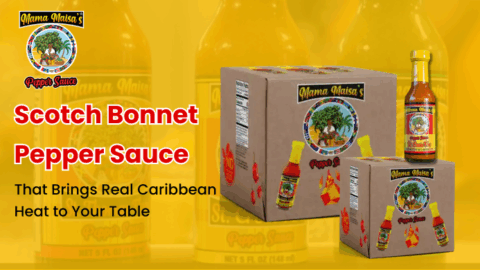
Mama Maisa’s offers different pack formats, allowing shoppers to think beyond a single bottle. For readers exploring Popular hot sauce options, bundles can also make sense for entertaining or sharing.
The Spicy sauce option can also be relevant when the goal is to make the gift feel more substantial than a standalone condiment.
Why Buy a Multi-Pack?
Multi-packs make practical sense for people who already know they enjoy hot sauce.
They can be useful for:
- Frequent hot-sauce users
- Family kitchens
- Entertaining
- Gifting
- Pantry stocking
- Restaurant or culinary use
Different pack sizes also make it easier to match the purchase to the occasion.
For example, shoppers considering a Organic hot sauce option should treat that anchor as a navigation label rather than assuming the product is officially certified organic; certification should be verified independently before making that claim.
Likewise, the Low sodium hot sauce link can help shoppers explore a larger pack, while the product’s current labeling should be checked for the latest dietary details.
Can Restaurants and Retailers Buy Caribbean Hot Sauce Wholesale?
Caribbean pepper sauce can have several potential food-service and retail applications.
Restaurants can use it as a table condiment, finishing sauce or recipe ingredient.
Specialty grocers can use premium hot sauces to expand their condiment selection.
Gift shops and food retailers can pair distinctive sauces with other specialty-food products.
Culinary businesses can also use pepper sauces as part of their menu development.
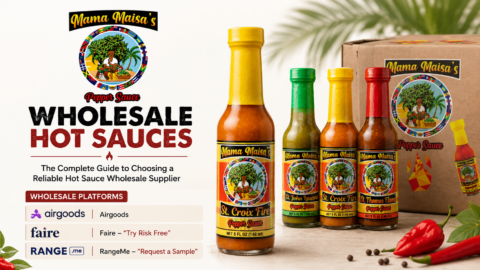
Mama Maisa’s provides a dedicated Wholesale Hot Sauce destination for businesses interested in wholesale opportunities. Specific pricing, minimum orders and terms should be confirmed directly with the brand rather than assumed.
Where Can You Buy Caribbean Hot Sauce?
For U.S. shoppers looking to buy Caribbean hot sauce online, the simplest starting point is the brand’s own shop and product selection.
Mama Maisa’s provides access to St. Croix Fire and related pack options through its website. The Best hot sauces page is a natural option for readers ready to explore a multi-bottle purchase.
The broader Hot sauce gift set option may be more suitable for gifting, entertaining or stocking up.
The key is to select according to your intended use rather than assuming that the largest or hottest option is automatically the right choice.
Buyer Guide: Match the Sauce to What You Want
| What You Want | What to Look For |
|---|---|
| Fruity pepper heat | Scotch bonnet or similar flavorful peppers |
| Caribbean-inspired flavor | Citrus, aromatics, mustard, curry and island spices |
| Everyday use | Balanced heat and versatility |
| Grilling | Bold pepper-forward flavor |
| Seafood | Bright, acidic, aromatic sauce |
| Plant-based meals | Vegan-compatible ingredients |
| Gifting | Premium presentation or multi-pack options |
| Stocking up | Larger packs or bundles |
This approach turns hot-sauce shopping into a flavor decision rather than a heat competition.
FAQ
What makes Caribbean hot sauce different?
Caribbean hot sauce often combines flavorful peppers such as Scotch bonnet with acidity, aromatics and warming spices. Instead of focusing only on heat, many Caribbean-inspired sauces build layers with ingredients such as lime, mustard, garlic, onion and curry. Recipes vary considerably across Caribbean cuisines, so there is no single formula.
Why is Caribbean hot sauce trending in 2026?
Caribbean-inspired hot sauce is gaining attention as consumers show continued interest in global flavors, distinctive sensory experiences and versatile specialty condiments. The Specialty Food Association’s 2026 trend reporting highlights sensory intensity and globally influenced food innovation, creating a favorable environment for flavorful pepper sauces.
What pepper is commonly used in Caribbean hot sauce?
Scotch bonnet is one of the peppers strongly associated with Caribbean-style pepper sauces. It is valued for noticeable heat as well as a distinctive fruity character. Other peppers can also appear in Caribbean-inspired sauces, depending on the island, recipe and producer.
Is Scotch bonnet hot sauce very spicy?
Scotch bonnet sauces can be quite spicy, but the perceived heat depends on the recipe, concentration, serving size and individual tolerance. St. Croix Fire is best described qualitatively as delivering noticeable to bold heat with a flavor-forward Scotch bonnet character rather than being assigned an unsupported numerical heat rating.
What does St. Croix Fire Scotch Bonnet Pepper Sauce taste like?
St. Croix Fire combines Scotch bonnet pepper character with curry, mustard, garlic, lime, onion and island-inspired spices. The result is layered, tangy and savory, with warm spice notes and noticeable pepper heat. Its flavor profile is designed to work with grilled foods, seafood, vegetables, bowls and everyday meals.
Is St. Croix Fire vegan?
Yes. Based on the supplied product information, St. Croix Fire is positioned as vegan. Consumers with strict dietary requirements should still check the current product label or manufacturer information for the latest formulation and labeling.
Is St. Croix Fire gluten-free?
Yes. The supplied product information identifies St. Croix Fire as gluten-free. As with any packaged food, shoppers with strict gluten-avoidance requirements should verify the current package information before purchasing.
Is St. Croix Fire low sodium?
Yes. The supplied product positioning identifies St. Croix Fire as low sodium. Because labeling and formulations can change, consumers who closely monitor sodium intake should check the current nutrition and product information.
What foods go well with Caribbean hot sauce?
Caribbean hot sauce can pair well with grilled chicken, steak, burgers, shrimp, fish, roasted vegetables, potatoes, eggs, rice bowls, sandwiches, soups and plant-based meals. Scotch bonnet sauces with citrus and aromatics can be especially effective with grilled and seafood dishes because the acidity provides contrast to richer flavors.
Where can I buy Caribbean hot sauce in the USA?
U.S. shoppers can explore Caribbean hot sauce through specialty food brands and their online stores. Mama Maisa’s offers St. Croix Fire and multiple pack options through its website, giving shoppers a direct way to explore a Caribbean-inspired Scotch bonnet sauce and related products.
Conclusion
Caribbean hot sauce offers something that a simple heat ranking cannot measure: flavor with personality.
Scotch bonnet brings noticeable heat and distinctive fruity character. Lime adds brightness. Mustard brings tang. Garlic and onion create savory depth. Curry and island-inspired spices provide warmth and complexity.
That combination explains why Caribbean-inspired pepper sauces are increasingly interesting to U.S. consumers looking beyond conventional vinegar-forward condiments. The category fits naturally into a food culture that is embracing global flavors, more expressive sensory experiences and sauces that can function as both ingredients and finishing condiments.
Mama Maisa’s St. Croix Fire is a strong example of that approach. Its Scotch bonnet foundation and layered curry, mustard, garlic, lime, onion and spice profile make it more than a source of heat. It is a versatile Caribbean-inspired condiment for grilling, seafood, vegetables, bowls, sandwiches, plant-based meals and shared tables.
If you enjoy bold pepper flavor and want to explore a more layered style of hot sauce, start with the St. Croix Fire selection and choose the bottle or pack format that fits your kitchen, gifting plans or entertaining needs.
👉 Shop authentic Caribbean heat here: Mama Maisa’s Pepper Sauce
👉 Mama Maisa’s Contact: Hot pepper sauce

- Hot Sauce Gifts: Best Ideas for Spice Lovers This Holiday Season - October 15, 2026
- Is Hot Sauce Good for You? Health Benefits, Risks & What to Look For - October 12, 2026
- Types of Hot Sauce: A Complete Guide to Flavors, Heat Levels & Styles - October 8, 2026