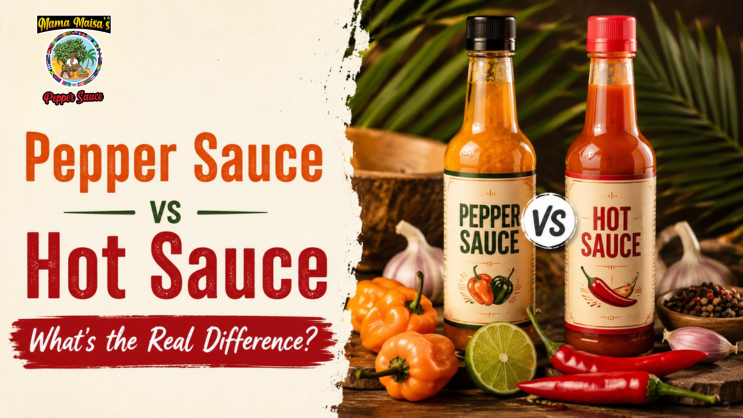
If you have ever stood in the condiment aisle wondering whether pepper sauce vs hot sauce is simply two names for the same thing, you are not alone. The terms overlap, and manufacturers do not follow one universal naming rule.
Still, meaningful differences can show up in the type of peppers used, ingredient composition, texture, acidity, seasoning, flavor complexity, culinary tradition, and intended use.
Pepper sauce often puts more emphasis on the character of a particular chile pepper and the ingredients surrounding it. Hot sauce is a broader category that includes everything from straightforward pepper-and-vinegar blends to fermented, smoky, fruity, and highly seasoned sauces.
Understanding those differences makes it much easier to choose a bottle that complements the food you actually eat.
Pepper Sauce vs Hot Sauce
Pepper sauce and hot sauce overlap, but pepper sauce often emphasizes the flavor and character of particular chile peppers, while hot sauce is a broader category of spicy condiments. Ingredients, texture, acidity, seasoning, heat, and regional culinary traditions can vary considerably from one recipe to another.
The label alone does not tell you everything. The ingredient list and pepper variety usually provide better clues about what the sauce will taste like.
What Is Pepper Sauce?
Pepper sauce is generally a pepper-focused condiment built around chile peppers and complementary ingredients that shape their heat, aroma, acidity, and overall flavor.
Depending on the recipe, a pepper sauce can contain fresh or processed chiles along with vinegar, citrus, onion, garlic, mustard, herbs, fruit, or spices.
That makes the answer to what is pepper sauce broader than one fixed recipe.
Caribbean pepper sauces are a useful example. Different islands, communities, households, and commercial producers have their own traditions, so there is no single formula that represents every Caribbean sauce.
A Scotch Bonnet Pepper Sauce, for example, may combine the distinctive fruity heat of Scotch Bonnet peppers with ingredients such as mustard, onion, garlic, citrus, herbs, and aromatic spices.
The result can be more than straightforward heat. A well-balanced pepper sauce can bring tang, savory depth, aroma, chile character, and a lingering finish to food.
If that style appeals to you, Scotch bonnet pepper sauce offers a useful starting point for exploring Caribbean-inspired flavor.
What Is Hot Sauce?
So, what is hot sauce?
Hot sauce is a broad category of spicy condiments made primarily to add chile heat and flavor to food. Recipes commonly use chile peppers combined with ingredients such as vinegar, salt, water, vegetables, garlic, spices, fruit, sweeteners, or fermented ingredients.
American hot sauce is especially diverse.
Some products emphasize vinegar and peppers. Others are fermented for deeper flavor. You can also find smoky chile sauces, fruit-forward blends, mild everyday sauces, specialty pepper sauces, and intensely hot varieties.
That diversity is why comparing Hot sauce brands based only on the words printed on the front of the bottle can be misleading.
Look at the actual peppers and supporting ingredients instead.
What Is the Difference Between Pepper Sauce and Hot Sauce?
The difference between pepper sauce and hot sauce is primarily about emphasis rather than a strict universal definition.
Pepper sauce often emphasizes a particular chile pepper and its surrounding regional flavor profile. Hot sauce is the broader term for spicy chile-based condiments.
Here are eight areas where differences can appear:
- Terminology: Names vary between regions and producers.
- Primary pepper character: Pepper sauces may highlight a particular chile more prominently.
- Ingredient complexity: Either category can be simple or complex.
- Acidity: Vinegar, citrus, and other acidic ingredients vary by recipe.
- Texture: Both can range from thin to thick or textured.
- Regional traditions: Caribbean, American, Latin American, African, and other culinary traditions influence recipes differently.
- Flavor profile: Sauces may be tangy, fruity, savory, smoky, aromatic, sweet, or strongly pepper-forward.
- Culinary applications: Some work best as finishing condiments, while others also fit marinades, cooking sauces, and mixed preparations.
There is significant overlap, so these are tendencies—not rigid rules.
Pepper Sauce vs Hot Sauce Comparison Table
| Factor | Pepper Sauce | Hot Sauce |
|---|---|---|
| Main focus | Often highlights pepper character and surrounding seasonings | Broad category focused on adding chile heat and flavor |
| Typical pepper emphasis | Can emphasize a named pepper variety | Can use one or multiple chile varieties |
| Flavor complexity | Can be highly aromatic and layered | Ranges from simple to highly complex |
| Acidity | Varies; citrus and vinegar may be used | Varies; vinegar is common but not universal |
| Texture | Thin, thick, blended, or textured | Thin to thick depending on style |
| Common ingredients | Peppers, aromatics, citrus, mustard, herbs, spices | Peppers, vinegar, salt, garlic, fruit, vegetables, spices |
| Regional influence | Often closely connected with regional recipes | Encompasses numerous global styles |
| Heat range | Mild to very hot | Mild to extremely hot |
| Best uses | Finishing, cooking, marinades, dipping | Finishing, cooking, dipping, mixing |
| Example styles | Caribbean Scotch Bonnet pepper sauce | Vinegar-based, fermented, smoky, fruity, specialty sauces |
The biggest lesson is simple: read beyond the category name.
Caribbean Pepper Sauce vs Hot Sauce — What Makes It Different?
The caribbean pepper sauce vs hot sauce comparison becomes especially interesting because Caribbean pepper sauces can combine substantial heat with complex aromatic and savory ingredients.
Depending on the island, community, household, or producer, recipes may incorporate:
- Scotch Bonnet peppers
- Mustard
- Garlic
- Onion
- Citrus
- Tropical fruit
- Herbs
- Curry-inspired spices
- Aromatic seasonings
These combinations can produce a balance of heat + fruitiness + acidity + aromatics + savory depth.
Caribbean cuisine is not one uniform culinary tradition, however. Recipes and preferences vary considerably across islands and communities.
That diversity is part of what makes Caribbean pepper sauce worth exploring.
Why Scotch Bonnet Peppers Taste Different
Scotch Bonnet peppers are known for more than their strong heat.
They have a distinctive fruity aroma and bright chile character that can bring tropical or fruit-like flavor associations to a sauce. This combination of aroma, flavor, and heat helps explain why Scotch Bonnets play such an important role in many Caribbean cooking traditions.
Rather than functioning only as a source of spiciness, the pepper itself can become an important part of the sauce’s flavor identity.
That is particularly useful for cooks who want heat that contributes something recognizable to the meal.
If you are exploring different styles of Vegan hot sauce, paying attention to the actual chile variety is one of the easiest ways to understand what you are buying.
Flavor Profile — Pepper Sauce vs Hot Sauce
Heat
A bottle labeled “pepper sauce” is not automatically hotter or milder than one labeled “hot sauce.”
Heat depends primarily on the chile variety, concentration of peppers, overall recipe, processing, and how much sauce you use.
Sweetness
Perceived sweetness can come from the natural character of peppers, fruit, vegetables, added sugar, or other recipe ingredients.
It is therefore important to distinguish naturally occurring flavor impressions from added sweeteners.
Mama Maisa’s supplied product information describes St. Croix Fire as having no sugar, so its layered character should not be attributed to added sugar.
Acidity
Acidity creates brightness and can help cut through rich foods.
Vinegar is common in many sauces, while citrus ingredients can provide a different kind of sharp, fresh character.
Savory Depth
Onion, garlic, mustard, herbs, curry-style seasoning, and spices can take a sauce beyond simple chile heat.
These ingredients can make pepper sauce particularly useful with grilled foods, grains, vegetables, seafood, and marinades.
Aroma
Your experience of hot sauce starts before the heat hits.
Different chile varieties, herbs, aromatics, and spices create distinct aromas that influence how the sauce tastes once it reaches the palate.
Finish
Some sauces deliver a quick burst of heat. Others develop more gradually or leave lingering warmth.
The finished recipe—not merely the category printed on the label—determines that experience.
Spice Levels — Is Pepper Sauce Hotter Than Hot Sauce?
Not necessarily.
The category name does not determine heat level.
How hot a sauce feels depends on:
- Pepper variety
- Pepper concentration
- Recipe
- Processing
- Serving size
Scotch Bonnets are naturally hot peppers, but that does not mean every Scotch Bonnet sauce delivers the same eating experience.
Supporting ingredients, acidity, texture, concentration, and serving size all affect how the finished sauce tastes and feels.
Ingredient Comparison — What Should You Look For?
The ingredient list is one of your best tools for predicting a sauce’s character.
Start with the type of chile pepper. A named pepper such as Scotch Bonnet tells you more about the expected flavor than a generic reference to peppers.
Next, examine ingredient order and look for components such as:
- Vinegar
- Sodium
- Added sugars
- Mustard
- Garlic
- Onion
- Spices
- Fruits
- Dietary attributes
- Additives
Those details can help you predict whether a sauce will be pepper-forward, tangy, sweet, savory, smoky, fruity, mustard-forward, highly acidic, or complex and aromatic.
Dietary preferences matter too. If those attributes are important to you, check the specific product labeling rather than assuming every sauce within a category follows the same formulation.
For example, consumers specifically researching Low sodium hot sauce should evaluate the stated product attributes and ingredient information rather than relying only on the word “hot sauce.”
How Does St. Croix Fire Scotch Bonnet Pepper Sauce Fit In?
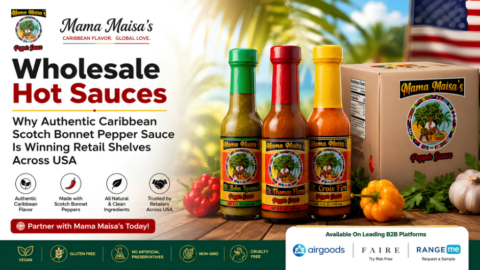
Mama Maisa’s St. Croix Fire provides a practical example of a Caribbean-inspired Scotch Bonnet pepper sauce designed around heat with layered flavor.
Its supplied ingredient profile combines Scotch Bonnet peppers with curry, mustard, garlic, onion, lime, and island-inspired spices.
Each component contributes something different.
Scotch Bonnets provide heat and distinctive chile character. Mustard contributes tang, while lime brings brightness. Garlic and onion add savory depth, and curry-style notes and spices create aromatic warmth.
According to the supplied product information, St. Croix Fire is also described as:
- All-natural
- Vegan
- Sugar-free/no sugar
- Low sodium
- Non-GMO
- Gluten-free
- Award-recognized/award-winning
The important distinction is that the product is positioned around flavor complexity rather than extreme heat as the only objective.
Readers exploring Best hot sauces can therefore consider flavor profile and food compatibility alongside heat level rather than treating “hottest” as synonymous with “best.”
Which Foods Pair Best with Scotch Bonnet Pepper Sauce?
Grilled Chicken and Meat
Grilled foods benefit from sauces that can stand up to browned, savory flavors.
Scotch Bonnet heat combined with acidity, mustard, garlic, and spices can provide contrast and complexity to grilled chicken and other meats.
Seafood
Shrimp, grilled fish, fish tacos, and seafood bowls are natural opportunities for pepper sauce.
Citrus brightness and chile heat can complement seafood without requiring a heavy sauce.
Rice and Grain Bowls
A small amount of pepper sauce can transform rice, beans, grains, vegetables, and protein bowls.
Start lightly and add more after tasting.
Sandwiches and Wraps
Use pepper sauce directly as a finishing condiment or blend a small amount into a compatible spread or sauce.
This is an easy way to introduce Scotch Bonnet character without overwhelming the other ingredients.
Vegetables
Roasted, grilled, and sautéed vegetables work particularly well with a complex Spicy sauce.
Try it with roasted potatoes, cauliflower, peppers, corn, or grilled vegetables.
Plant-Based Meals
Beans, lentils, tofu, grain bowls, and vegetable-based dishes can benefit from chile heat, acidity, and aromatic seasoning.
A sauce with several flavor dimensions can add complexity without requiring an entirely new recipe.
Marinades
Pepper sauce can contribute both heat and seasoning to a marinade.
Use it alongside ingredients appropriate to the protein or vegetables being prepared rather than assuming the pepper sauce should serve as the entire marinade.
Real-Life Ways to Use Caribbean Pepper Sauce
Here are eight simple ways to bring Caribbean pepper sauce into everyday cooking:
- Add a few drops to scrambled eggs.
- Finish grilled shrimp with Scotch Bonnet pepper sauce.
- Mix a small amount into a marinade.
- Add heat to rice and beans.
- Spoon a little over roasted vegetables.
- Add it to sandwiches or wraps.
- Stir a small amount into soups or stews.
- Use it as a finishing sauce for grilled dishes.
Start small when trying an unfamiliar Scotch Bonnet sauce. You can always add more.
Pepper Sauce vs Hot Sauce — Which Should You Choose?
Neither category is inherently better.
Choose a pepper-forward Caribbean-style sauce if you prefer:
- Distinctive chile flavor
- Caribbean-inspired seasoning
- Aromatic complexity
- Scotch Bonnet character
- Heat balanced by other flavors
Explore broader hot sauce styles if you prefer:
- Vinegar-forward sauces
- Fermented sauces
- Smoky chile sauces
- Fruit-based sauces
- Extremely hot sauces
- Mild everyday sauces
Your ideal choice ultimately depends on your palate and the foods you plan to serve.
Exploring a Popular hot sauce can be useful, but popularity should not replace checking whether its actual flavor profile suits your preferences.
How to Choose a Quality Scotch Bonnet Pepper Sauce
Before buying, ask:
- Is Scotch Bonnet clearly identified?
- What ingredients support the pepper flavor?
- Does the sauce match my preferred heat level?
- Is it suitable for cooking, finishing, or both?
- Does the ingredient list fit my dietary preferences?
- Will its flavor work with foods I regularly eat?
- Does the available pack size fit how frequently I use sauce?
- Are the product claims clearly stated?
Also pay attention to terminology.
For example, shoppers searching for Organic hot sauce should verify whether the individual product actually carries the certification they require. “All-natural” and “organic” are not interchangeable claims.
Hot Sauce for Different U.S. Food Preferences
A Caribbean-inspired pepper sauce does not have to stay within one culinary category.
Texas-Inspired Grilling
Try Scotch Bonnet pepper sauce as a finishing condiment for grilled chicken, meats, vegetables, or other cookout dishes.
It does not need to replace BBQ sauce; it can provide a separate layer of heat and acidity.
California-Style Bowls and Plant-Based Meals
Grain bowls, tacos, roasted vegetables, beans, and plant-based proteins provide an easy canvas for a pepper-forward sauce.
New York Everyday Food Pairings
Eggs, sandwiches, pizza, takeout-style meals, and simple home cooking can all accommodate a few drops of pepper sauce when you want extra heat and character.
Caribbean-American Cooking
Scotch Bonnet-based sauces can naturally complement Caribbean-inspired home cooking, particularly dishes where aromatic seasoning and chile character already play an important role.
Is St. Croix Fire Only for Caribbean Food?
No.
St. Croix Fire’s combination of Scotch Bonnet heat, mustard tang, curry-style warmth, garlic, onion, lime, and island-inspired spices can complement both Caribbean-inspired cooking and familiar American meals.
Think grilled chicken, shrimp, fish tacos, rice bowls, sandwiches, roasted vegetables, eggs, beans, marinades, and plant-based dishes.
That versatility is one reason ingredient complexity matters. A sauce designed around several complementary flavors can have more culinary applications than heat alone might suggest.
Why Flavor Matters More Than Extreme Heat
Extreme heat can be entertaining, but intensity is only one dimension of a good condiment.
For everyday food, balance matters.
Pepper character provides identity. Acidity adds brightness. Aromatics affect what you smell before tasting. Garlic and onion can contribute savory depth, while mustard and spices can create additional layers.
The question therefore becomes less about “How hot can this get?” and more about “What does this heat contribute to my food?”
St. Croix Fire is positioned around that second idea: Scotch Bonnet heat supported by tangy, aromatic, savory, and curry-style elements.
That makes Mama Maisa’s Pepper Sauce relevant to people who want chile heat that works as part of a meal rather than existing only for shock value.
Buying Hot Sauce for Yourself, Gifts, or Food Service
Everyday Home Use
If you use hot sauce occasionally, individual bottles or smaller quantities may make sense.
Frequent users can evaluate multipacks based on how quickly they typically finish a bottle and how many people in the household use it.
Hot Sauce Gifts
Sauce can also make a practical food gift for:
- Hot sauce lovers
- Foodies
- Grill enthusiasts
- Caribbean food fans
A Hot sauce gift set or suitable bundle can provide another option when shopping for someone who enjoys trying distinctive spicy condiments.
Restaurants and Food Businesses
Restaurants, retailers, caterers, and other food businesses have different purchasing needs from individual consumers.
Businesses evaluating larger quantities can explore Wholesale Hot Sauce options directly rather than assuming retail pack sizes or terms apply to commercial purchases.
Frequently Asked Questions
1. What is the difference between pepper sauce and hot sauce?
Pepper sauce often emphasizes a particular chile pepper and complementary regional seasonings, while hot sauce is a broader category of spicy condiments. There is significant overlap, and naming conventions vary between producers. Ingredients, acidity, texture, pepper variety, and flavor profile provide more useful information than the category name alone.
2. What is pepper sauce?
Pepper sauce is a chile-based condiment that generally emphasizes peppers along with supporting ingredients such as vinegar, citrus, garlic, onion, mustard, herbs, or spices. Recipes vary significantly by region and producer, so pepper sauces can range from simple and sharp to highly aromatic and complex.
3. What is hot sauce?
Hot sauce is a broad category of spicy condiments typically made with chile peppers and additional ingredients that may include vinegar, salt, garlic, fruit, vegetables, spices, sweeteners, or fermented components. Hot sauces can be mild or extremely hot and can have thin, thick, smooth, or textured consistencies.
4. Is pepper sauce hotter than hot sauce?
Not necessarily. Heat is determined primarily by pepper variety, pepper concentration, recipe, processing, and serving amount. Either pepper sauce or hot sauce can be mild or intensely hot, so the category name by itself is not a reliable indicator of heat.
5. What does Scotch Bonnet pepper sauce taste like?
Scotch Bonnet pepper sauce can combine strong chile heat with a distinctive fruity aroma and bright pepper character. Supporting ingredients such as citrus, mustard, garlic, onion, herbs, or spices can add tangy, savory, aromatic, or warm notes depending on the specific recipe.
6. Is Scotch Bonnet sauce very spicy?
Scotch Bonnet peppers are naturally hot, so sauces made with them can deliver substantial heat. However, the finished experience depends on pepper concentration, other ingredients, recipe, processing, and how much sauce you use. Different Scotch Bonnet sauces therefore can feel noticeably different.
7. What foods go well with Scotch Bonnet pepper sauce?
Scotch Bonnet pepper sauce can complement grilled chicken, meats, shrimp, fish, tacos, rice and beans, grain bowls, sandwiches, eggs, roasted vegetables, soups, stews, tofu, lentils, and other plant-based meals. Start with a small serving and adjust according to your heat preference.
8. What makes Caribbean pepper sauce different?
Many Caribbean pepper sauces combine chile heat with ingredients such as Scotch Bonnets, citrus, mustard, garlic, onion, herbs, tropical fruit, and aromatic spices. Recipes vary considerably among islands and communities, so Caribbean pepper sauce should be understood as a diverse family of culinary traditions rather than one fixed recipe.
9. Can Scotch Bonnet pepper sauce be used as a marinade?
Yes. Scotch Bonnet pepper sauce can contribute chile heat, acidity, aromatics, and seasoning to marinades. Combine it thoughtfully with the other marinade ingredients and start with a modest amount, particularly if you are unfamiliar with the sauce’s heat level.
10. How should I choose a hot sauce based on flavor?
Start with the chile variety, then examine supporting ingredients. Vinegar may indicate tanginess, fruit can contribute sweetness or fruitiness, garlic and onion add savory depth, and spices increase aromatic complexity. Choose according to the flavors you enjoy and the foods you regularly prepare.
Final Verdict — Pepper Sauce vs Hot Sauce
The pepper sauce vs hot sauce debate does not have a rigid either-or answer.
Hot sauce is a broad category of spicy chile-based condiments. Pepper sauce often places greater emphasis on a particular pepper variety and the regional flavors built around it—but there is substantial overlap between the terms.
Caribbean Scotch Bonnet pepper sauce illustrates why the distinction can matter. Scotch Bonnets contribute significant heat along with distinctive fruity chile character, while ingredients such as citrus, mustard, garlic, onion, herbs, and spices can create tangy, savory, aromatic, and layered flavors.
Neither category is automatically better.
Choose according to the type of heat you enjoy, the flavors you want, and the foods you actually eat.
If your preference leans toward Scotch Bonnet character with curry-style warmth, mustard tang, garlic, lime, onion, and island-inspired spices, explore St. Croix Fire from Mama Maisa’s and find the product or pack option that suits how you use hot sauce.
👉 Shop authentic Caribbean heat here: Mama Maisa’s Pepper Sauce
👉 Mama Maisa’s Contact: Hot pepper sauce

- Hot Sauce Gifts: Best Ideas for Spice Lovers This Holiday Season - October 15, 2026
- Is Hot Sauce Good for You? Health Benefits, Risks & What to Look For - October 12, 2026
- Types of Hot Sauce: A Complete Guide to Flavors, Heat Levels & Styles - October 8, 2026