A great Caribbean hot pepper sauce should do more than make your mouth feel the heat. It should bring brightness, aroma, spice, and depth to the food underneath it. That is why Scotch Bonnet peppers are so important: they contribute distinctive pepper character as well as heat, while ingredients such as lime, garlic, onion, mustard, curry, and island spices can create a much more layered experience.
Just as importantly, there is no single Caribbean pepper sauce recipe. Caribbean cuisine spans many islands, countries, families, and culinary traditions, so an authentic Caribbean hot pepper sauce can take many forms.
For U.S. hot sauce lovers, the appeal is easy to understand. A well-balanced Caribbean sauce can work on grilled chicken, shrimp, eggs, burgers, rice bowls, vegetables, sandwiches, and plant-based meals. The best versions make you notice the flavor before you start thinking about the heat.
What Is Caribbean Hot Pepper Sauce?
Caribbean hot pepper sauce is a spicy condiment inspired by the cooking traditions of the Caribbean, commonly built around hot peppers, aromatics, acid, herbs, spices, and sometimes fruit or mustard. Scotch Bonnet peppers are especially associated with Caribbean-style sauces because they provide recognizable heat and fruity pepper character. The result can range from bright and citrusy to mustard-forward, savory, fruity, or spice-rich.
The key is balance. Heat is only one part of the flavor equation.
A Caribbean pepper sauce may be used as a table sauce, finishing sauce, marinade, seafood sauce, or cooking ingredient. Some versions are thin and pourable; others have more body. Some emphasize vinegar, while others lean toward citrus, fruit, mustard, or aromatic spices.
What Makes Caribbean Hot Pepper Sauce Authentic?
Authenticity is not determined by a single ingredient, a specific Scoville rating, or how aggressively hot a sauce tastes.
Caribbean food traditions vary considerably from island to island and from one family kitchen to another. A sauce associated with one Caribbean tradition may use ingredients or techniques that are uncommon elsewhere in the region.
For that reason, an authentic Caribbean hot pepper sauce is better understood through its culinary inspiration and recognizable flavor principles:
- A distinctive hot pepper character
- Aromatics such as garlic and onion
- Bright acidity from citrus or vinegar in some styles
- Herbs and island spices
- Fruit or sweetness in certain recipes
- A deliberate balance between heat, acidity, aroma, and savory flavor
- A connection to Caribbean culinary traditions
Mustard is another interesting example. Some Caribbean-style pepper sauces use it to introduce tangy depth and warmth, while others do not use it at all.
The same is true of fruit, vinegar, and citrus. There is no universal ingredient list that defines every Caribbean sauce.
Authenticity, then, is about recognizable culinary character rather than forcing every sauce into one formula.
Why Are Scotch Bonnet Peppers So Important to Caribbean Pepper Sauce?
Scotch Bonnet peppers are central to many Caribbean food traditions because they bring both substantial heat and a distinctive fruity, aromatic character.
That second quality matters. A hot pepper can contribute much more than intensity. Its aroma and flavor influence the personality of the finished sauce.
This is why Scotch Bonnet Pepper Sauce can taste dramatically different from a sauce designed primarily around neutral heat. When combined with ingredients such as lime, garlic, onion, mustard, curry, or other island spices, Scotch Bonnet can become part of a broader flavor profile rather than simply the source of burning heat.
For consumers exploring Scotch bonnet pepper sauce, the useful question is not simply, “How hot is it?” Ask what the pepper contributes to the sauce as a whole.
That distinction is especially helpful when choosing a sauce for food. A pepper-forward sauce with aromatic complexity can be more versatile than an extreme-heat sauce designed mainly for heat seekers.
What Does Authentic Caribbean Hot Pepper Sauce Taste Like?
There is no single flavor profile, but several characteristics commonly appear in Caribbean-style pepper sauces.
| Flavor Element | Typical Contribution |
|---|---|
| Scotch Bonnet | Heat and fruity pepper character |
| Mustard | Tangy depth and warmth |
| Garlic | Savory aromatic depth |
| Onion | Sweet-savory foundation |
| Lime/Citrus | Bright acidity |
| Curry/Spices | Warm complexity |
| Fruit | Sweetness/tropical character in some styles |
Not every Caribbean sauce contains all of these ingredients. Instead, they represent different ways a sauce can build complexity.
You may encounter sauces that are:
- Bright and citrusy
- Mustard-forward
- Fruity
- Garlic-rich
- Curry-spiced
- Pepper-forward
- Sweet-heat
- Vinegar-forward
A particularly compelling Caribbean style can combine several of these qualities without allowing one ingredient to completely overwhelm the others.
What Ingredients Are Common in Caribbean Pepper Sauce?
The ingredients in a Caribbean pepper sauce each have a job. Understanding those roles makes it easier to compare products and recipes.
Scotch Bonnet Peppers
Scotch Bonnet peppers provide the defining combination of heat and characteristic fruity pepper flavor in many Caribbean-style sauces.
Mustard
Mustard can add tang, savory depth, and a gentle warming quality. It is especially useful when a sauce needs more dimension than pepper and acid alone can provide.
Garlic
Garlic contributes aromatic depth and savory character. It can make a pepper sauce feel more substantial on grilled foods, seafood, vegetables, and sandwiches.
Onion
Onion provides a savory foundation and can help round out the sharper qualities of peppers and acid.
Lime or Citrus
Citrus brings brightness. Lime, in particular, can make a rich or spicy sauce feel more lively and can complement seafood, grilled foods, and rice-based dishes.
Curry and Island Spices
Curry and other island-inspired spices contribute warmth and complexity. They can shift a sauce from simple pepper heat toward a more layered Caribbean-inspired profile.
Fruit
Some Caribbean sauces incorporate tropical or sweet ingredients. Fruit can provide sweetness, aroma, acidity, or body, depending on the style.
Vinegar
Vinegar is another common source of acidity in hot sauces, although it is not universal to Caribbean pepper sauces. Its sharpness can help balance pepper heat and create a brighter finishing sauce.
How Hot Is Caribbean Hot Pepper Sauce?
There is no universal heat level for Caribbean hot pepper sauce.
A useful way to think about sauce intensity is:
| Heat Level | General Experience |
|---|---|
| Mild | Gentle warmth |
| Medium | Noticeable heat with easy everyday use |
| Medium-Hot | Stronger pepper presence |
| Hot | Significant heat |
| Very Hot | Primarily aimed at experienced heat seekers |
Finished sauce heat depends on much more than the name of the pepper. Pepper variety, concentration, preparation, acidity, sweetness, and the other ingredients all affect how the sauce tastes and feels.
Serving size matters, too.
A sauce that seems intense when tasted by itself may work beautifully when drizzled over grilled shrimp, mixed into a marinade, or added to a bowl of rice and vegetables.
That is why the hottest sauce is not automatically the best sauce.
What Is the Scoville Scale and How Does It Apply?
The Scoville scale is a way of expressing the heat associated with chili peppers, commonly represented as Scoville Heat Units, or SHU.
Different peppers have different levels of heat, and the finished sauce does not necessarily have the same intensity as the raw pepper used to make it. Formulation changes the overall experience.
A sauce containing Scotch Bonnet peppers, for example, can taste different depending on how those peppers are combined with citrus, mustard, garlic, onion, spices, fruit, or other ingredients.
For shoppers, the practical lesson is simple: use heat information as one consideration, not the entire buying decision.
For St. Croix Fire, no exact Scoville rating is supplied, so it would be misleading to assign one. Its identity is better understood through its Scotch Bonnet character and layered ingredient profile.
What Is a Caribbean Hot Pepper Sauce Recipe Usually Made From?
A general Caribbean hot pepper sauce recipe often starts with a handful of building blocks rather than one fixed formula.
- Hot peppers provide heat and pepper character.
- Aromatics such as garlic and onion create savory depth.
- Acid from citrus or vinegar adds brightness.
- Herbs and spices introduce complexity.
- Fruit or sweetness may balance heat in certain styles.
- Salt and seasoning help bring the flavors together.
- Blending or processing determines the final texture and consistency.
The cook’s job is to balance heat, acid, sweetness, salt, aromatics, and texture.
That framework describes Caribbean-style sauce-making principles. It is not the proprietary recipe for St. Croix Fire.
Caribbean Hot Pepper Sauce vs Caribbean-Style Pepper Sauce
The terms can overlap, but they can also communicate slightly different ideas.
A Caribbean hot pepper sauce may be associated directly with a particular culinary tradition, while “Caribbean-style” can describe a sauce designed around Caribbean-inspired ingredients and flavor characteristics.
Neither phrase establishes one universal recipe.
The Caribbean is a diverse culinary region. Pepper varieties, acids, fruits, herbs, spices, mustard, preparation methods, and family traditions differ widely.
A thoughtful buyer should therefore look beyond labels and examine the actual flavor profile and ingredient identity.
What Is the Difference Between Caribbean Pepper Sauce and Regular Hot Sauce?
| Characteristic | Caribbean Pepper Sauce | Generic Hot Sauce |
|---|---|---|
| Pepper character | Often prominent | Varies |
| Flavor complexity | Often layered | Varies |
| Citrus | Common in some styles | Varies |
| Mustard | Used in some styles | Less universal |
| Island spices | Can be important | Depends on style |
| Heat | Varies widely | Varies widely |
| Best use | Cooking + finishing | Cooking + finishing |
These are broad tendencies, not strict rules. “Regular hot sauce” covers an enormous range of products, from simple pepper-and-vinegar sauces to complex gourmet hot sauces.
The distinction is useful mainly because Caribbean pepper sauces often place greater emphasis on a combination of pepper, aromatics, citrus, mustard, spices, and regional flavor traditions.
What Foods Pair Best With Caribbean Hot Pepper Sauce?
Caribbean pepper sauce is especially useful when a dish needs both heat and brightness.
| Food | Recommended Pairing Approach | Why It Works |
|---|---|---|
| Grilled chicken | Pepper + citrus | Brightens smoky flavors |
| Shrimp | Citrus + pepper | Complements seafood |
| Fish | Mild-to-medium application | Adds flavor without overpowering |
| Burgers | Mustard-forward sauce | Works with savory richness |
| Eggs | Small finishing amount | Adds heat and acidity |
| Rice bowls | Pepper + citrus | Adds brightness |
| Roasted vegetables | Curry/spice-forward sauce | Adds complexity |
| Plant-based bowls | Pepper + garlic | Adds depth |
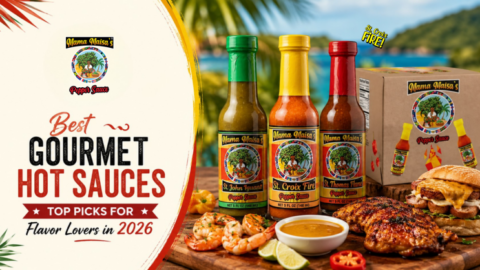
For example, grilled shrimp can benefit from a bright Scotch Bonnet sauce because citrus and pepper complement the natural character of seafood.
Grilled chicken is another strong match, particularly when the sauce has warm spices or curry notes.
Roasted vegetables can take on a completely different personality with a small amount of curry-forward pepper sauce, while a rice bowl can use pepper sauce as a finishing element that ties grains, vegetables, and protein together.
How Can You Use Caribbean Pepper Sauce Beyond Adding Heat?
Think of pepper sauce as an ingredient rather than just a condiment.
Practical applications include:
- Finishing sauce for grilled meats
- Marinade for chicken or seafood
- Seafood drizzle
- Burger topping
- Sandwich enhancement
- Egg condiment
- Rice bowl ingredient
- Roasted vegetable topping
- BBQ finishing sauce
- Plant-based meal enhancer
A Texas grill enthusiast might use a Scotch Bonnet sauce on grilled chicken. A California home cook could add a citrus-forward sauce to a grain bowl. A Florida seafood lover might pair it with shrimp. A Caribbean-American household might keep it on the table as an everyday condiment.
These are illustrative cooking situations, not customer testimonials.
What Makes a Gourmet Caribbean Sauce Different?
“Gourmet” should not simply mean expensive or extremely hot.
A compelling gourmet Caribbean sauce can stand out through:
- Layered flavor
- Distinctive pepper choice
- Ingredient quality
- Balanced acidity
- Culinary versatility
- Spice complexity
- Regional inspiration
- Strong ingredient identity
A higher price does not automatically make one sauce better than another. What matters is whether the sauce delivers a flavor profile that suits the food and the person eating it.
How Do You Choose the Best Caribbean Hot Pepper Sauce?
When comparing products, use this checklist:
- Pepper variety: Does the sauce feature a pepper with a flavor you enjoy?
- Heat level: Is the intensity appropriate for everyday use?
- Flavor profile: Do you prefer citrus, mustard, fruit, garlic, spice, or pepper-forward flavors?
- Ingredient list: Are the ingredients clear and recognizable?
- Acidity: Does the sauce have the brightness your food needs?
- Sweetness: Is it dry, tangy, sweet-heat, or fruit-forward?
- Spice complexity: Are there additional spices that add depth?
- Intended use: Is it mainly for finishing, cooking, marinades, or all three?
- Dietary preferences: Do vegan, no-sugar, low-sodium, gluten-free, or non-GMO positioning matter to you?
- Brand transparency: Does the product information clearly explain what you are buying?
- Packaging: Is the format practical for your household or food-service needs?
- Versatility: Can you imagine using it on several foods?
The best Caribbean hot pepper sauce is ultimately the one whose flavor, heat, ingredients, and intended uses match your preferences.
Where Can You Buy Caribbean Hot Pepper Sauce?
If you’re wondering where to buy Caribbean hot pepper sauce, several options are worth exploring:
- Brand websites
- Caribbean grocery stores
- Specialty food retailers
- Gourmet food stores
- Online food retailers
- Wholesale suppliers
For shoppers who want to compare available products and formats, Mama Maisa’s offers a selection through its online store. Hot sauce brands can be explored according to the consumer’s needs rather than choosing a sauce solely by heat level.
For restaurants, caterers, retailers, and other food-service buyers, Wholesale Hot Sauce provides a separate route for exploring wholesale options.
Caribbean Hot Pepper Sauce Brands: What Should You Look For?
When evaluating Caribbean hot pepper sauce brands, look for a clear point of difference.
A compelling sauce should communicate its ingredient identity rather than relying on vague claims. Look for a recognizable pepper variety, a defined flavor profile, useful heat, culinary versatility, transparent product information, and a meaningful connection to Caribbean-inspired food traditions.
It can also help to compare how a sauce fits into your actual cooking routine.
A sauce that works on seafood, grilled meats, vegetables, eggs, sandwiches, and rice bowls may deliver more everyday value than one designed exclusively as a heat challenge.
For a broader look at Caribbean sauce characteristics, Best Caribbean Hot Sauce offers another useful starting point.
Why St. Croix Fire Is a Distinctive Caribbean-Inspired Pepper Sauce
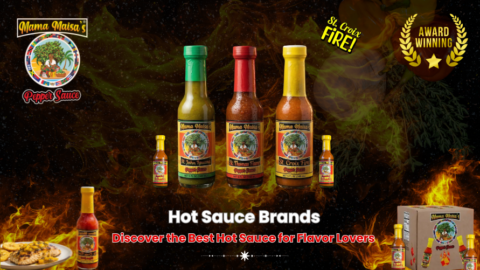
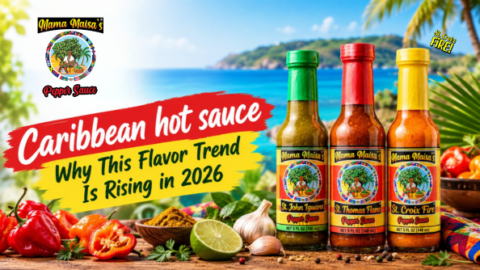
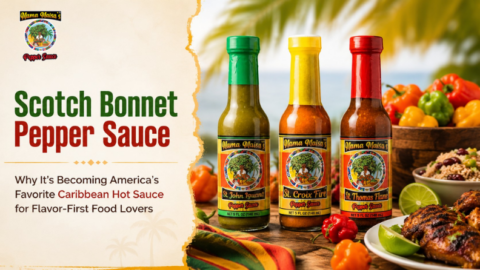
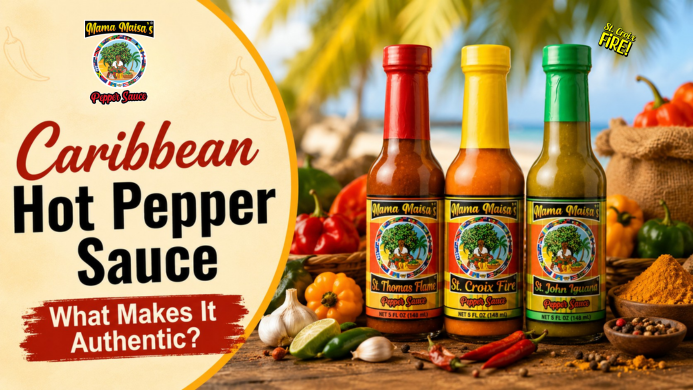
Mama Maisa’s St. Croix Fire Scotch Bonnet Pepper Sauce is positioned around a bold combination of Scotch Bonnet peppers, curry, garlic, lime, mustard, onion, island-inspired spices, and a proprietary spice blend.
That ingredient combination gives the sauce a clear Caribbean-inspired identity.
From an ingredient-based editorial perspective, the flavor can be thought of in three stages: an opening of bright Scotch Bonnet pepper character; a middle layer where mustard, garlic, curry, onion, and island spices contribute savory warmth and complexity; and a finish where lime and pepper add brightness and lingering heat.
That description reflects the supplied ingredients rather than a laboratory analysis or professional tasting-panel result.
St. Croix Fire is also supplied as:
- Vegan
- No sugar
- Low sodium
- Non-GMO
- Gluten-free
- All-natural
- Award-winning / award-recognized in flavor
No specific award organization, year, certification body, or competition is assumed here.
If your goal is to explore Vegan hot sauce, St. Croix Fire may be worth considering for its combination of Scotch Bonnet heat and layered Caribbean-inspired flavor.
What Makes St. Croix Fire Different From Basic Hot Sauce?
The biggest distinction is the role of flavor.
St. Croix Fire is designed around Scotch Bonnet peppers alongside curry warmth, mustard tang, garlic depth, lime brightness, onion, and island-inspired spices.
That gives shoppers several reasons to consider it:
- Distinctive Scotch Bonnet character
- Caribbean-inspired flavor
- Layered heat and flavor
- Citrus brightness
- Curry warmth
- Mustard tang
- Garlic depth
- Everyday versatility
- Vegan formulation
- No sugar
- Low sodium
- Gluten-free positioning
- Non-GMO positioning
For someone looking to keep a bottle available for regular cooking rather than occasional heat challenges, that versatility can be particularly appealing.
For larger quantities or multiple bottles, options such as the Best hot sauces selection provide another way to explore the product.
Who Should Try St. Croix Fire?
St. Croix Fire may appeal to:
- Scotch Bonnet fans
- Caribbean food enthusiasts
- Hot sauce lovers
- Grill enthusiasts
- Seafood lovers
- Home cooks
- Plant-based eaters
- Gift buyers
- People seeking no-sugar options
- People seeking low-sodium hot sauce options
- Consumers interested in Caribbean-inspired flavors
Its combination of pepper, citrus, mustard, garlic, curry, and island spices makes it especially interesting for cooks who want a sauce that contributes character instead of only heat.
Caribbean Hot Pepper Sauce Buying Guide
Your preferred flavor can make the buying decision easier.
- For bright citrus: Look for citrus-forward pepper sauces with noticeable lime or other citrus notes.
- For mustard tang: Choose sauces that use mustard to add a savory, tangy character.
- For strong pepper flavor: Consider Scotch Bonnet-based sauces for a more distinctive pepper-forward profile.
- For warm spice: Look for curry or island-spice-forward sauces that bring deeper warmth.
- For tropical sweetness: Fruit-forward styles can add a sweeter, more tropical dimension.
- For everyday versatility: Choose a balanced sauce that works across meals instead of focusing only on extreme heat.
You can also explore a Popular hot sauce bundle when comparing formats, or consider the Organic hot sauce option as a product selection without interpreting the anchor wording as a claim that the sauce is certified organic.
For consumers looking specifically for Spicy sauce, larger household quantities, or a Low sodium hot sauce, the available formats can make it easier to match the purchase to the way you cook.
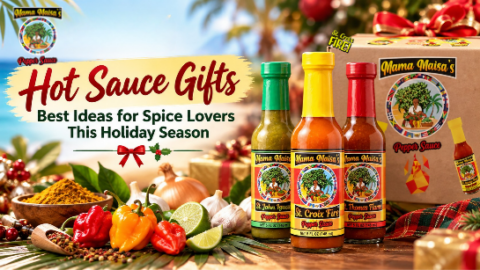
Gift buyers can also explore a Hot sauce gift set when putting together a food-focused present.
Frequently Asked Questions About Caribbean Hot Pepper Sauce
1. What is Caribbean hot pepper sauce?
Caribbean hot pepper sauce is a spicy condiment inspired by Caribbean culinary traditions. It often combines hot peppers with aromatics, acid, herbs, spices, and sometimes mustard or fruit. Scotch Bonnet peppers are especially associated with many Caribbean-style sauces because they contribute both heat and distinctive fruity pepper character.
2. What makes Caribbean hot pepper sauce authentic?
Authenticity comes from culinary context, recognizable ingredients, regional inspiration, and balanced flavor rather than one universal recipe. Caribbean pepper sauces vary between islands, countries, families, and traditions. A sauce can emphasize Scotch Bonnet peppers, citrus, mustard, garlic, fruit, herbs, or spices depending on its particular style.
3. What peppers are commonly used in Caribbean pepper sauce?
Scotch Bonnet peppers are among the most recognizable peppers associated with Caribbean cuisine and pepper sauces. Other peppers can also appear depending on regional tradition and the desired flavor and heat. There is no single pepper that defines every Caribbean sauce.
4. Is Scotch Bonnet pepper sauce very hot?
Scotch Bonnet peppers are known for significant heat, but the finished sauce experience depends on formulation. Pepper concentration, preparation, acidity, sweetness, and other ingredients all influence perceived intensity. A Scotch Bonnet sauce should therefore be evaluated by both its heat and its overall flavor.
5. What does Caribbean hot pepper sauce taste like?
The flavor varies considerably. Common profiles include bright and citrusy, mustard-forward, fruity, garlic-rich, curry-spiced, pepper-forward, sweet-heat, and vinegar-forward. A well-balanced sauce can combine several of these characteristics, allowing heat, acidity, aromatics, and spices to work together.
6. What is a Caribbean hot pepper sauce recipe usually made from?
A general recipe framework can include hot peppers, aromatics such as garlic and onion, acid from citrus or vinegar, herbs and spices, optional fruit or sweetness, and seasoning. The ingredients are balanced to create the desired combination of heat, acidity, sweetness, savory depth, and texture.
7. What foods pair best with Caribbean pepper sauce?
Caribbean pepper sauce pairs well with grilled chicken, shrimp, fish, burgers, eggs, rice bowls, roasted vegetables, sandwiches, BBQ dishes, and plant-based meals. The best pairing depends on the sauce’s flavor profile. Citrus-forward sauces can complement seafood, while mustard- or spice-forward sauces can work especially well with grilled and savory foods.
8. Where can you buy Caribbean hot pepper sauce?
Caribbean hot pepper sauce can be found through brand websites, Caribbean grocery stores, specialty food retailers, gourmet food stores, online food retailers, and wholesale suppliers. Buying directly from a brand can also make it easier to review product ingredients, dietary positioning, available formats, and intended uses.
9. What should you look for in Caribbean hot pepper sauce brands?
Look for clear ingredient identity, recognizable pepper varieties, balanced flavor, appropriate heat, culinary versatility, transparent product information, and meaningful Caribbean-inspired character. The hottest product is not necessarily the best choice. Consider how the sauce will actually be used with your favorite foods.
10. What is the difference between Caribbean pepper sauce and regular hot sauce?
Caribbean pepper sauce often emphasizes recognizable pepper character alongside ingredients such as citrus, garlic, mustard, onion, fruit, or island spices. Generic hot sauce is a much broader category that can include many flavor styles. These are broad tendencies rather than strict definitions.
Conclusion
The best Caribbean hot pepper sauce is not necessarily the hottest bottle on the shelf. Its appeal comes from balance: distinctive peppers, acidity, aromatics, spices, and other ingredients working together to create a sauce that makes food more interesting.
Scotch Bonnet peppers are an important part of that story because they bring both heat and recognizable pepper character. But the surrounding ingredients matter just as much. Lime can brighten the profile. Garlic and onion add savory depth. Mustard can bring tang and warmth. Curry and island-inspired spices can create another layer of complexity.
That is the thinking behind St. Croix Fire Scotch Bonnet Pepper Sauce from Mama Maisa’s. Its combination of Scotch Bonnet peppers, curry, mustard, garlic, lime, onion, and island-inspired spices creates a distinctly Caribbean-inspired direction while its vegan, no-sugar, low-sodium, gluten-free, and non-GMO positioning gives shoppers additional reasons to consider it.
If you’re ready to move from learning about Caribbean pepper sauce to putting one on the table, explore Mama Maisa’s St. Croix Fire and discover how Scotch Bonnet heat, citrus brightness, mustard tang, and Caribbean-inspired spice can fit into your everyday cooking.
👉 Shop authentic Caribbean heat here: Mama Maisa’s Pepper Sauce
👉 Mama Maisa’s Contact: Hot pepper sauce

- Hot Sauce Gifts: Best Ideas for Spice Lovers This Holiday Season - October 15, 2026
- Is Hot Sauce Good for You? Health Benefits, Risks & What to Look For - October 12, 2026
- Types of Hot Sauce: A Complete Guide to Flavors, Heat Levels & Styles - October 8, 2026