Hot sauce is about more than making your food spicy. The right sauce can add fruity notes, tanginess, smoky depth, and a satisfying warmth that brings an entire meal together. But how do you know whether a bottle will deliver a gentle kick or an intense burning sensation?
Understanding the hot sauce heat scale makes choosing the right condiment easier. Some sauces use mild peppers like jalapeños, while others feature powerful varieties such as habaneros, Scotch Bonnets, ghost peppers, and Carolina Reapers.
The Scoville scale helps compare pepper heat using Scoville Heat Units (SHU). However, a pepper’s rating does not automatically tell you how hot a finished hot sauce will taste.
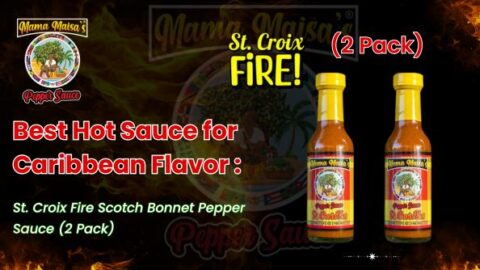
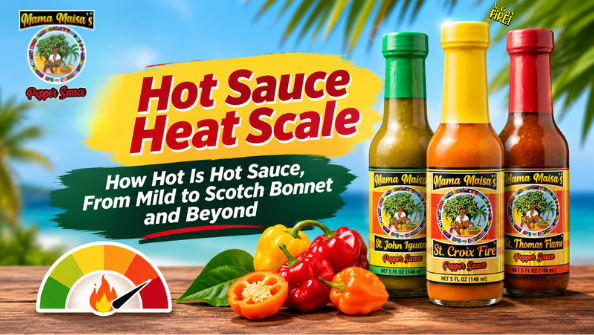
In this guide, you’ll discover how the Scoville scale works, compare popular pepper varieties, understand different hot sauce spice levels, and learn how to choose a sauce that balances heat with flavor. We’ll also explore the distinctive Caribbean-inspired character of Mama Maisa’s St. Croix Fire Scotch Bonnet Pepper Sauce.
What Is the Hot Sauce Heat Scale?
The hot sauce heat scale is a way of understanding and comparing the intensity of spicy peppers and hot sauces. It commonly uses the Scoville scale, which measures pungency based on the concentration of capsaicinoids, especially capsaicin.
The Scoville scale was developed in 1912 by American pharmacist Wilbur Scoville. His original method involved extracting compounds from peppers and diluting them with sweetened water until trained tasters could no longer detect the heat.
Today, laboratories commonly use high-performance liquid chromatography (HPLC) to measure capsaicinoids more objectively.
What Are Scoville Heat Units (SHU)?
Scoville Heat Units (SHU) express how much capsaicinoid content is associated with a pepper’s heat.
A higher SHU rating generally means a hotter pepper.
For example:
- Bell pepper: 0 SHU
- Jalapeño: 2,500–8,000 SHU
- Cayenne: 30,000–50,000 SHU
- Habanero: 100,000–350,000 SHU
Capsaicin creates the familiar burning sensation by activating heat-sensitive receptors in your mouth. Your brain interprets this chemical signal as heat, even though the food isn’t physically increasing your mouth’s temperature.
Individual tolerance also matters. Someone who regularly eats spicy food may find a particular sauce comfortable, while a beginner might experience the same sauce as extremely hot.
Understanding the Scoville Scale for Hot Sauce
The Scoville scale helps consumers understand pepper intensity, but it is important to distinguish between a raw pepper’s rating and a finished sauce’s heat level.
A hot sauce made with a high-SHU pepper is not necessarily as hot as eating that pepper by itself.
Several factors influence the final experience.
1. Pepper variety: Jalapeños, cayenne peppers, habaneros, and Scotch Bonnets naturally contain different concentrations of capsaicinoids.
2. Pepper concentration: A sauce containing a higher proportion of hot pepper may deliver more intense heat than one using a smaller amount.
3. Vinegar and liquid ingredients: Vinegar, water, citrus juice, and other liquids contribute to the overall formulation and can change the concentration of pepper compounds in each serving.
4. Other recipe ingredients: Fruits, vegetables, spices, mustard, and other ingredients influence flavor balance and the overall eating experience.
5. Pepper mash: Pepper mash is a mixture of crushed peppers and their juices. Its concentration and the amount used in a recipe influence both the flavor and potential heat of the finished sauce.
6. Processing and formulation: Preparation methods, ingredient proportions, and production conditions can affect the finished product.
Therefore, pepper SHU ranges should never be treated as verified hot sauce Scoville ratings. A specific finished sauce requires its own appropriate testing before an exact SHU figure can be claimed.
Hot Sauce Heat Chart: From Mild to Extra Hot
One of the easiest ways to understand hot sauce heat levels is to compare common pepper varieties using their approximate Scoville Heat Units.
The following Hot Sauce Heat Scale chart provides a useful reference for understanding the peppers frequently used in spicy condiments.
| Pepper variety | Approximate Scoville rating |
|---|---|
| Bell pepper | 0 SHU |
| Banana pepper | 0–500 SHU |
| Jalapeño | 2,500–8,000 SHU |
| Serrano | 10,000–23,000 SHU |
| Cayenne | 30,000–50,000 SHU |
| Tabasco pepper | 30,000–50,000 SHU |
| Thai chili | 50,000–100,000 SHU |
| Habanero | 100,000–350,000 SHU |
| Scotch Bonnet | 100,000–350,000 SHU |
| Ghost pepper | Approximately 800,000–1,000,000 SHU |
| Carolina Reaper | Approximately 1,400,000–2,200,000 SHU |
Important: These figures represent approximate pepper heat ranges, not verified ratings for bottled hot sauces. Actual readings can vary depending on the pepper variety, growing conditions, ripeness, and testing method.
For example, jalapeños offer relatively approachable heat, while Scotch Bonnets and habaneros deliver considerably more intensity. Ghost peppers and Carolina Reapers belong to the super-hot category.
What Are the Different Hot Sauce Heat Levels?
Hot sauce brands often describe their products as mild, medium, hot, or extra hot. These labels help consumers understand what to expect, although there is no single universal SHU cutoff for every finished-sauce category.
Mild Hot Sauce
Mild hot sauce is a good starting point for people who enjoy flavor without overwhelming heat.
It often uses approachable peppers or a recipe that balances chili ingredients with other components.
Best for:
- Hot sauce beginners.
- People with lower spice tolerance.
- Everyday sandwiches and wraps.
- Eggs, tacos, and light snacks.
Mild sauces can still provide excellent flavor through garlic, herbs, vinegar, fruits, and spices.
Medium Hot Sauce
Medium hot sauce provides noticeable warmth without necessarily overpowering the food.
It is a versatile option for people who enjoy spicy meals but still want to taste the other ingredients.
Best for:
- Rice bowls.
- Grilled chicken.
- Pizza and burgers.
- Roasted vegetables.
- Everyday cooking.
Medium sauces can be a practical choice when serving a group with different spice preferences.
Hot Sauce
Hot sauces in this category deliver a stronger pepper experience.
They may contain cayenne, Thai chili, habanero, or Scotch Bonnet peppers. The exact intensity depends on the recipe and pepper concentration.
Best for:
- Experienced spicy food enthusiasts.
- Caribbean-inspired dishes.
- Spicy marinades.
- Seafood and grilled meats.
- People who enjoy substantial pepper flavor.
The best hot sauces in this category offer more than a burning sensation. They bring distinctive pepper characteristics and seasoning to the meal.
Extra-Hot Hot Sauce
Extra-hot sauces are designed for people who actively enjoy intense chili heat.
They may feature ghost peppers, Carolina Reapers, or concentrated chili ingredients.
Best for:
- Experienced chili enthusiasts.
- People comfortable with intense spice.
- Small-quantity seasoning.
- Hot sauce tasting challenges.
Always begin with a very small amount. Extreme heat can overwhelm the flavor of a dish if too much sauce is added.
How Hot Is Scotch Bonnet Pepper Sauce?
Scotch Bonnet peppers generally measure approximately 100,000–350,000 Scoville Heat Units, placing them among the hotter commonly used culinary peppers.
They are closely related to habanero peppers and are especially appreciated for their combination of substantial heat and fruity flavor.
Unlike peppers that provide heat without much complexity, Scotch Bonnets are known for their aromatic, sweet, tropical, and slightly fruity characteristics.
They are widely associated with Caribbean cooking, where their flavor complements grilled foods, seafood, curries, marinades, and traditional island-inspired recipes.
Scotch Bonnet vs. Habanero
Scotch Bonnets and habaneros have overlapping Scoville ranges. Neither should automatically be considered hotter than the other based on the pepper name alone.
Their flavor profiles can help distinguish them:
- Scotch Bonnet: Fruity, aromatic, sweet, and tropical.
- Habanero: Fruity, citrus-like, and sometimes slightly smoky.
The variety, growing conditions, and individual pepper all influence the final heat.
Discover the Flavor of Mama Maisa’s St. Croix Fire
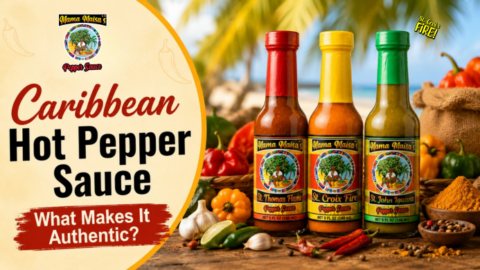
For people who enjoy Caribbean-inspired flavors, Mama Maisa’s St. Croix Fire Scotch Bonnet Pepper Sauce offers an interesting combination of pepper heat and layered seasoning.
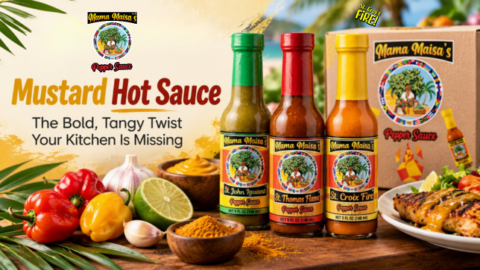
Its supplied ingredient and flavor profile includes Scotch Bonnet peppers, curry, mustard, garlic, onion, lime, and aromatic island spices.
The result brings together vibrant pepper heat, curry-style warmth, tangy mustard, and savory seasoning.
Inspired by Caribbean food culture and the island character associated with St. Croix in the US Virgin Islands, this sauce offers an alternative to hot sauces that focus only on intensity.
Explore Scotch bonnet pepper sauce to discover Mama Maisa’s Caribbean-inspired flavor.
Why Is Hot Sauce Sometimes Milder Than the Pepper It Is Made From?
A common question among hot sauce buyers is why a sauce made from a very hot pepper can taste less intense than the fresh pepper itself.
The answer is formulation.
A finished hot sauce contains more than peppers. It may include vinegar, water, vegetables, fruit, spices, and other ingredients.
For example, imagine preparing a sauce using Scotch Bonnet peppers, lime juice, vinegar, garlic, and onion. The finished mixture has a different composition from eating a whole Scotch Bonnet pepper.
Other factors include:
- Pepper concentration: More pepper in the recipe can increase potential heat.
- Liquid ingredients: They change the concentration of capsaicinoids in a serving.
- Recipe balance: Additional ingredients influence how the heat and flavor are experienced.
- Pepper mash ratios: The proportion of mash affects the final formulation.
- Processing: Preparation and production methods can influence the finished product.
This is why two hot sauces featuring the same pepper variety can deliver very different experiences.
A pepper’s Scoville rating is a useful starting point, but it cannot replace testing the finished sauce.
Hot Sauce Heat Scale Comparison: Jalapeño vs. Habanero vs. Scotch Bonnet vs. Carolina Reaper
Choosing a hot sauce becomes easier when you understand the difference between popular pepper varieties.
| Pepper | Approx. SHU | Flavor profile | General heat experience | Suitable audience |
|---|---|---|---|---|
| Jalapeño | 2,500–8,000 | Fresh, grassy | Mild to noticeable | Beginners |
| Habanero | 100,000–350,000 | Fruity, citrus-like | Very hot | Experienced users |
| Scotch Bonnet | 100,000–350,000 | Sweet, fruity, tropical | Very hot | Caribbean food lovers |
| Carolina Reaper | 1.4–2.2 million | Fruity, sweet | Extremely hot | Advanced chili enthusiasts |
The most important difference is not simply the number of Scoville Heat Units.
Flavor matters as much as heat.
Jalapeños work well in fresh salsa and everyday meals. Habaneros offer intense fruitiness, while Scotch Bonnets bring a distinctive Caribbean flavor profile. Carolina Reapers are better known for extreme heat than everyday seasoning.
If you want a sauce that adds substantial heat alongside distinctive island-inspired flavor, Scotch Bonnet is worth exploring.
How to Choose a Hot Sauce by Heat Level
Choosing the right hot sauce depends on your spice tolerance, preferred flavor, and the meals you prepare.
Here are five practical tips.
1. Start with your spice tolerance
If you rarely eat spicy food, begin with mild sauces. Gradually move toward medium or hotter varieties as you become comfortable.
2. Consider your preferred flavor
Do you enjoy smoky, fruity, tangy, or savory flavors? Different pepper varieties provide different culinary characteristics.
3. Match the sauce to your food
Jalapeño sauces can complement tacos and sandwiches, while Scotch Bonnet sauces pair naturally with Caribbean-inspired meals.
4. Read the product label
Check the ingredients, serving suggestions, dietary information, and any manufacturer-provided heat guidance. Do not assume every product made with the same pepper has the same heat level.
5. Begin with a small serving
Add a few drops, taste your food, and adjust gradually. This is especially useful when trying a new habanero or Scotch Bonnet sauce.
For shoppers comparing hot sauce brands, consider the complete flavor profile instead of selecting a bottle based only on its advertised heat.
How to Use Scotch Bonnet Hot Sauce in Everyday Meals
Scotch Bonnet hot sauce can do much more than make a meal spicy. Its fruity and aromatic character can add another layer of flavor to everyday cooking.
Here are some easy serving ideas.
Grilled chicken: Add a few drops to grilled chicken or mix the sauce into a marinade with garlic and lime for a Caribbean-inspired flavor.
Seafood and shrimp: Use a small amount with grilled shrimp, fish tacos, or seafood bowls. The tangy and spicy combination can complement seafood beautifully.
Rice bowls: Drizzle a little sauce over rice, grilled vegetables, beans, and your favorite protein.
Roasted vegetables: Add a small amount to roasted potatoes, cauliflower, carrots, or peppers for additional flavor.
Sandwiches and wraps: Mix hot sauce into a spread or add a few drops to a sandwich for a spicy finish.
Caribbean curry dishes: Scotch Bonnet pairs naturally with curry-style seasoning, coconut-based dishes, and aromatic spices.
Marinades and dipping sauces: Combine the sauce with suitable ingredients to create a flavorful marinade or dipping accompaniment.
If you enjoy experimenting with plant-based condiments, explore Vegan hot sauce options for more inspiration.
Why Explore Mama Maisa’s St. Croix Fire Scotch Bonnet Pepper Sauce?
Finding the right hot sauce is about discovering a balance between heat, flavor, and versatility.
Mama Maisa’s St. Croix Fire brings together the distinctive character of Scotch Bonnet peppers and Caribbean-inspired seasoning.
Here are some features that make its supplied product profile worth exploring:
Distinctive Scotch Bonnet flavor: Enjoy the fruity, aromatic character associated with this popular Caribbean pepper.
Curry-style warmth: Curry seasoning adds depth beyond the pepper’s natural heat.
Tangy mustard and lime: These ingredients contribute a bright, savory, and tangy flavor dimension.
Garlic, onion, and aromatic spices: The seasoning combination makes the sauce suitable for different everyday meals.
Plant-based formulation: The supplied product positioning identifies the sauce as vegan.
No added sugar: A useful product attribute for consumers comparing condiment ingredient labels.
Low-sodium positioning: An option worth considering for shoppers comparing sodium information across hot sauce products. Always check the product label for the applicable nutrition details.
Gluten-free and non-GMO positioning: These are additional supplied product attributes for consumers evaluating ingredient and dietary preferences.
The sauce can be used with grilled chicken, seafood, sandwiches, rice bowls, vegetables, and Caribbean-inspired dishes.
Explore Popular hot sauce options and discover more ways to enjoy Mama Maisa’s Pepper Sauce.
If you are comparing specialty condiment options, you can also explore Organic hot sauce as a navigation category. This link does not represent a claim that St. Croix Fire is organically certified.
For additional product choices, browse Best hot sauces and discover a Spicy sauce option for your kitchen.
Consumers comparing sodium information can also explore Low sodium hot sauce options.
Looking for something to share with a spicy food enthusiast? Consider a Hot sauce gift set or learn about Wholesale Hot Sauce opportunities.
Bring bold Scotch Bonnet flavor to your next meal with Mama Maisa’s St. Croix Fire.
FAQs About the Hot Sauce Heat Scale
1. What Is the Hottest Level on the Scoville Scale?
The Scoville scale includes extremely hot peppers such as the Carolina Reaper, commonly reported around 1.4–2.2 million SHU. Pepper X has also been reported at approximately 3.2 million SHU. These are pepper ratings, not standard hot sauce ratings.
2. How Hot Is Scotch Bonnet Pepper Sauce?
Scotch Bonnet peppers generally measure approximately 100,000–350,000 SHU. However, a finished Scotch Bonnet sauce can have a different heat intensity depending on its pepper concentration and formulation.
3. Is Scotch Bonnet Hotter Than Jalapeño?
Yes, Scotch Bonnet peppers are significantly hotter than jalapeños. Scotch Bonnets generally measure 100,000–350,000 SHU, while jalapeños measure approximately 2,500–8,000 SHU.
4. What Is the Difference Between SHU and Hot Sauce Heat Levels?
SHU measures pepper pungency based on capsaicinoid concentration. Hot sauce heat levels describe the overall intensity of a finished condiment. A sauce’s heat depends on its complete formulation, not just the pepper used.
5. Why Is Hot Sauce Sometimes Milder Than the Pepper Itself?
Hot sauce recipes combine peppers with other ingredients, including vinegar, water, vegetables, and seasonings. These ingredients change the concentration of capsaicinoids in each serving, creating a different experience from eating the whole pepper.
6. What Heat Level Is Best for Hot Sauce Beginners?
Mild or approachable medium sauces are generally good starting points. Begin with small amounts, choose flavors you enjoy, and gradually explore hotter peppers as your tolerance develops.
7. Is Habanero Hotter Than Scotch Bonnet?
Both peppers have overlapping approximate heat ranges of 100,000–350,000 SHU. Their actual intensity varies. Scotch Bonnets are particularly appreciated for their sweet, fruity Caribbean flavor, while habaneros often have fruity and citrus-like notes.
8. How Can I Enjoy Spicy Food Without Making It Too Hot?
Start with a few drops of sauce instead of pouring it directly onto your food. Mix it into marinades, dips, dressings, or meals with other ingredients to distribute the flavor. Add more gradually until you find a comfortable balance.
Final Thoughts: Find Your Perfect Balance of Flavor and Heat
Understanding the hot sauce heat scale helps you make better decisions when exploring different pepper varieties and spicy condiments.
The Scoville scale provides a useful comparison, from zero-heat bell peppers and approachable jalapeños to flavorful Scotch Bonnets and extremely hot Carolina Reapers.
However, the best hot sauce is not necessarily the one with the highest SHU rating. Pepper concentration, recipe formulation, seasoning, and personal taste all influence the final experience.
For people who appreciate substantial heat with fruity, aromatic, Caribbean-inspired flavor, Scotch Bonnet pepper sauce offers an exciting option.
Mama Maisa’s St. Croix Fire combines Scotch Bonnet character with curry-style warmth, tangy mustard, garlic, onion, lime, and aromatic spices.
Whether you’re preparing grilled chicken, seafood, rice bowls, sandwiches, or Caribbean-inspired dishes, the right sauce can make every meal more interesting.
Explore Mama Maisa’s Pepper Sauce and bring a little Caribbean-inspired heat and flavor to your kitchen!
👉 Mama Maisa’s Contact: Hot pepper sauce

- Hot Sauce Heat Scale: How Hot Is Hot Sauce, From Mild to Scotch Bonnet and Beyond - November 17, 2026
- How to Make Hot Pepper Sauce: A Simple Stovetop Method With Scotch Bonnet - November 13, 2026
- American Hot Sauces: Regional Styles vs Caribbean Heat - November 11, 2026