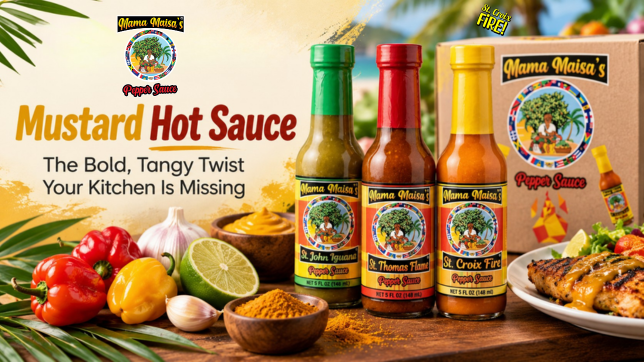
A great hot sauce does more than bring heat—it changes the way a dish tastes. Imagine the sharp tang of mustard meeting the fruity intensity of Scotch Bonnet peppers, followed by savory garlic, bright lime, and a warm layer of spice. That combination creates something more rounded and distinctive than a simple pepper-and-vinegar splash.
Mustard hot sauce brings together tang, pepper heat, acidity, and seasoning in a condiment that can work across grilled foods, seafood, sandwiches, roasted vegetables, and plant-based meals. Depending on the recipe, it may be smooth or thick, sharp or mellow, curry-forward or citrus-bright.
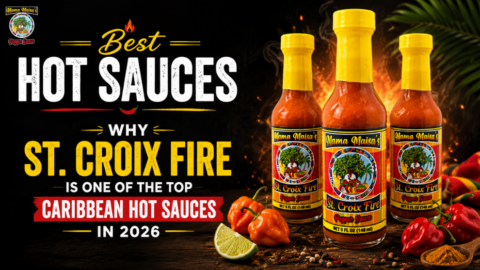
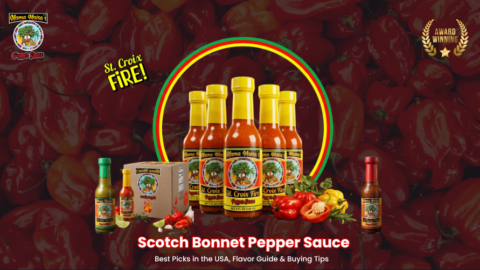
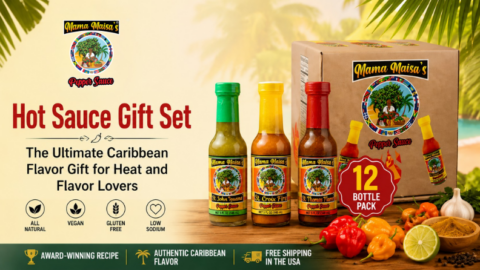
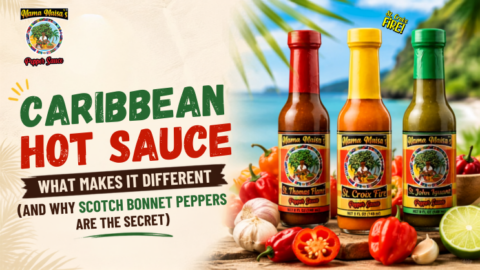
For anyone exploring specialty condiments, Mama Maisa’s St. Croix Fire Scotch Bonnet Pepper Sauce offers a Caribbean-inspired example of this flavor approach. Its mustard-forward profile combines Scotch Bonnet peppers with curry-style warmth, garlic, lime, onion, and a secret spice blend.
This guide explains what mustard hot sauce is, how it tastes, what ingredients shape its character, how it compares with traditional hot sauce, and how to choose and use one in your kitchen.
What Is Mustard Hot Sauce?
Mustard hot sauce is a condiment that combines mustard’s tangy, savory character with chili peppers, acidity, spices, and other flavor ingredients. Unlike a conventional pepper-and-vinegar sauce that may focus primarily on pepper flavor and acidity, mustard hot sauce adds mustard’s distinctive sharpness and depth.
Recipes vary considerably. Some are thin and pourable, while others are smooth and substantial. Some emphasize mustard and vinegar; others incorporate citrus, garlic, curry-style spices, or a more complex pepper blend. Sweetness, salt, acidity, and heat can also differ from one product to another.
That variety is part of the appeal. A mustard-based hot sauce can be bright enough for seafood, bold enough for grilled meats, or layered enough to become the defining flavor in a sandwich or grain bowl.
If you’re curious about exploring a pepper-forward condiment with a mustard foundation, you can explore Mama Maisa’s Scotch bonnet pepper sauce and discover its Caribbean-inspired flavor profile.
What Does Mustard Hot Sauce Taste Like?
The flavor of mustard hot sauce depends on its ingredients, but its defining characteristic is the way mustard tang and pepper heat interact.
Here are the flavor notes you may encounter:
-
Tangy mustard: A sharp, savory acidity that gives the sauce its signature backbone.
-
Pepper heat: The intensity depends on the chili variety, quantity, and recipe. Scotch Bonnet peppers can contribute both heat and aromatic fruitiness.
-
Savory depth: Garlic, onion, and spices can make the sauce taste fuller and more rounded.
-
Acidity: Vinegar, lime, or another acidic ingredient can add brightness and lift.
-
Curry-style warmth: In sauces that use curry or warm spices, the flavor may feel more layered and aromatic than a straightforward hot pepper sauce.
-
Citrus brightness: Lime can bring a fresh, lively quality that balances heavier savory notes.
-
Lingering spice: Pepper and spice may remain on the palate after the initial tang fades.
-
Texture: Mustard-based sauces can range from thin and pourable to smooth, creamy, or thicker, depending on how they are formulated.
Not every mustard hot sauce has all these characteristics. One may be sharp and vinegar-forward, another rich and curry-led, and another bright with citrus and garlic. The best way to understand a particular sauce is to consider its actual ingredients and flavor description.
Why Combine Mustard and Scotch Bonnet Peppers?
Mustard and Scotch Bonnet peppers make an interesting pairing because they contribute different kinds of intensity.
Mustard brings sharpness, tang, and savory pungency. Scotch Bonnet peppers are known for their significant heat and distinctive fruity, aromatic character. Together, they can create a sauce that feels expressive rather than one-dimensional.
Acidity also plays an important role. Lime or vinegar can brighten the pepper flavor and keep the sauce from feeling too heavy. Garlic and onion add savory structure, while curry-style spices can introduce warmth and complexity.
This combination works especially well with foods that already have roasted, grilled, fried, or savory notes. Smoky chicken, grilled vegetables, seafood, potatoes, sandwiches, and plant-based bowls can all provide a backdrop for a mustard pepper sauce.
The result is a different experience from simply adding chili heat: the mustard gives the sauce a recognizable condiment identity, while the pepper brings energy and character.
What Makes a Curry Mustard Hot Sauce Different?
A curry mustard hot sauce combines mustard’s tangy foundation with the warm, aromatic character associated with curry-style seasoning.
The difference is not necessarily about making a sauce hotter. It is about adding another layer of flavor. Curry-style spices can create impressions of warmth, earthiness, fragrance, and savory complexity, depending on the blend.
A simple hot pepper vinegar sauce often highlights the pepper and acidity directly. A curry mustard hot sauce may instead offer a progression:
-
Mustard provides the initial tang and savory sharpness.
-
Pepper contributes heat and aromatic character.
-
Curry-style seasoning adds warmth and depth.
-
Garlic, onion, or citrus helps balance the overall profile.
Curry powders and spice blends also vary. A product may use a prepared curry-style blend, individual spices, or a proprietary seasoning combination. That is why two sauces described as curry mustard hot sauce can taste quite different.
Mama Maisa’s St. Croix Fire is a useful example of this style, combining mustard, curry-style warmth, Scotch Bonnet peppers, garlic, lime, onion, and a secret spice mix for a bold, layered flavor.
Mustard Hot Sauce Ingredients: What Should You Look For?
Understanding the main ingredient categories can help you compare sauces and identify the flavor profile you prefer.
Mustard
Mustard provides the tang, sharpness, and savory depth that distinguish this style of hot sauce. The type of mustard used can influence the final character, from bright and pungent to more rounded and mellow.
Mustard also helps connect the sauce to familiar foods such as grilled meats, sandwiches, burgers, and roasted vegetables.
Scotch Bonnet Peppers
Scotch Bonnet peppers are valued for their combination of substantial heat and fruity, aromatic character. They can give a sauce a more distinctive personality than a neutral heat source alone.
However, the final heat of a Scotch Bonnet pepper sauce depends on the recipe. Pepper quantity, other ingredients, processing, and individual tolerance all affect the experience. A Scotch Bonnet-based sauce should not automatically be assigned a precise heat rating without verified product information.
Vinegar, Lime, or Other Acidity
Acidic ingredients help shape a sauce’s brightness and balance. Vinegar often contributes a clean, sharp tang, while lime can add a fresher citrus note.
Acidity can also influence texture and overall flavor integration. However, the presence of an acidic ingredient alone should not be treated as proof of a product’s preservation method, shelf life, or food safety.
Garlic and Onion
Garlic and onion are common flavor-building ingredients in savory sauces. They can add depth, round out the pepper’s intensity, and make the condiment more useful with substantial foods.
In a mustard garlic hot sauce, garlic may be especially noticeable, giving the sauce a savory quality that works well with grilled proteins, vegetables, and sandwiches.
Curry and Spice Blends
Curry-style spices can add warmth and aromatic complexity. Depending on the recipe, they may create a flavor that is earthy, fragrant, peppery, or gently warm.
For a commercial product, it is important to distinguish between verified ingredients and general possibilities. Mama Maisa’s St. Croix Fire is described as including curry and a secret spice mix, but its exact proportions and proprietary preparation are not publicly assumed here.
Sweetness, Salt, and Other Ingredients
Sweetness, salt, and other balancing ingredients can influence how sharp, rounded, or savory a mustard hot sauce tastes. Some recipes include sweeteners; others do not.
Mama Maisa’s St. Croix Fire is positioned in the supplied product information as no sugar and low sodium, alongside its vegan, gluten-free, and non-GMO positioning. These are product attributes, not universal characteristics of mustard hot sauce, and consumers with specific dietary or medical requirements should review the current label and manufacturer information.
Is Mustard Hot Sauce Very Spicy?
Mustard hot sauce can range from moderately spicy to intensely hot, depending on the peppers and recipe. Mustard itself adds tang and pungency, but the actual heat comes primarily from the peppers.
Scotch Bonnet-based sauces can deliver substantial heat, along with a distinctive fruity character. Mustard may make the sauce feel sharper or more intense because its pungency adds another strong sensation, but that does not mean mustard determines the Scoville rating.
Heat perception varies from person to person. If you are unfamiliar with Scotch Bonnet peppers, start with a small amount and add more gradually. For a packaged sauce, check the label and any serving guidance when available.
Mama Maisa’s St. Croix Fire should be approached according to your own tolerance. No precise Scoville Heat Unit rating or definitive mild-to-extreme classification is assigned here without verified product information.
Mustard-Based Hot Sauce vs Traditional Hot Sauce
Mustard-based hot sauce and traditional pepper/vinegar hot sauce can overlap, but they often create different flavor experiences.
|
Factor |
Mustard-Based Hot Sauce |
Traditional Pepper/Vinegar Hot Sauce |
|---|---|---|
|
Main flavor |
Tangy, savory, mustard-forward |
Pepper-forward and acidic |
|
Texture |
Often smooth or thicker, depending on recipe |
Often thinner, depending on recipe |
|
Spice character |
Heat combined with mustard pungency |
Heat may be more directly pepper-led |
|
Flavor complexity |
Can include curry, garlic, onion, and spices |
Often emphasizes pepper and acidity |
|
Best uses |
Grilled foods, sandwiches, seafood, roasted vegetables |
Tacos, eggs, soups, snacks, everyday finishing |
|
Overall experience |
Bold, layered, tangy |
Bright, sharp, pepper-focused |
These are common tendencies, not universal rules. A traditional hot sauce can be thick and complex, and a mustard-based sauce can be thin and very pepper-forward. The ingredients and formulation matter more than the category name alone.
Caribbean Mustard Sauce: A Flavorful Island-Inspired Tradition
Caribbean-inspired condiments are appealing because they often bring together contrasting flavors: heat, acidity, aromatics, savory seasoning, and sometimes fruit or warm spices.
A Caribbean mustard sauce can evoke that broader flavor approach by pairing mustard with peppers, citrus, garlic, onion, and spices. The result may be tangy, vibrant, savory, and aromatic, with enough depth to complement both traditional and everyday dishes.
It is important to recognize that Caribbean cuisines are diverse. There is no single recipe that represents every island, household, or culinary tradition. A Caribbean-inspired sauce should not automatically be presented as a definitive traditional recipe.
For U.S. home cooks, island-inspired condiments can be an easy way to bring brightness and bold seasoning to familiar meals—from grilled chicken and seafood to rice bowls, roasted vegetables, and sandwiches. The appeal is not that the sauce replaces the dish’s identity, but that it adds another flavor dimension.
Mama Maisa’s St. Croix Fire: A Mustard-Forward Scotch Bonnet Pepper Sauce

Mama Maisa’s St. Croix Fire Scotch Bonnet Pepper Sauce is a Caribbean-inspired mustard-forward pepper sauce built around a bold combination of tang, spice, and savory depth.
Its supplied flavor profile includes:
-
Scotch Bonnet peppers for distinctive pepper character and substantial heat.
-
Mustard for tangy, savory sharpness.
-
Curry-style warmth for added aromatic complexity.
-
Garlic and onion for savory depth.
-
Lime for citrus brightness.
-
A secret spice mix that contributes to its layered character.
Rather than positioning the sauce as heat alone, the product is designed to bring a bold, layered flavor to food. Its Caribbean-inspired character makes it a natural option for people who enjoy mustard-forward condiments with a more complex spice profile.
The supplied product information also describes St. Croix Fire as vegan and plant-based, no sugar, low sodium, gluten-free, and non-GMO. These details can help shoppers compare products, but they should always be considered alongside the current label and individual dietary requirements.
Why Its Flavor Profile Stands Out
The appeal of St. Croix Fire is the combination of different sensations in one sauce. Mustard provides the tangy backbone, Scotch Bonnet peppers bring heat and fruitiness, lime adds brightness, and curry-style seasoning creates warmth. Garlic and onion help connect those elements to savory foods.
That makes it useful beyond a single cuisine or meal. It can function as a finishing sauce, a marinade ingredient, or a flavor booster in a dressing, dip, or cooked preparation where appropriate.
Looking for a mustard-forward pepper sauce with Caribbean-inspired character? Explore Mama Maisa’s Scotch bonnet pepper sauce to learn more about the St. Croix Fire flavor profile and product options.
How to Use Mustard Hot Sauce in Everyday Meals
A mustard pepper sauce is especially useful when a dish needs more than heat. Start with a small amount, taste, and adjust based on the sauce’s intensity and your preferences.
Grilled Chicken and Meat
Drizzle mustard hot sauce over grilled chicken, burgers, steak, or pork. Mustard’s tang complements smoky, savory flavors, while pepper heat can add contrast to grilled food.
For a more controlled flavor, mix a small amount into a finishing sauce rather than adding it all at once.
Seafood
Try it with shrimp, salmon, fish tacos, crab cakes, or grilled seafood. Tang and citrus can complement seafood’s delicate flavors, while mustard adds a savory edge.
Use a light touch first, especially with mild fish, so the sauce enhances rather than dominates the dish.
Roasted or Grilled Vegetables
Mustard hot sauce can add contrast to roasted cauliflower, potatoes, corn, mushrooms, or zucchini. Roasting brings out savory and caramelized notes, while a tangy sauce adds brightness.
A few drops over a finished vegetable dish can be enough to change its character.
Sandwiches, Burgers, and Wraps
Use it in place of ordinary mustard or alongside another condiment. A mustard-forward hot sauce can add tang, moisture, and pepper character to burgers, grilled chicken sandwiches, wraps, and deli-style creations.
For a balanced sandwich, consider the other ingredients: creamy, savory, or fresh components can help distribute the sauce’s intensity.
Rice Bowls and Grain Bowls
Add a small amount to rice, beans, vegetables, tofu, or a protein bowl. The sauce can tie together several ingredients that might otherwise taste separate.
Start with a little, mix thoroughly, and adjust. This is especially helpful when a bowl contains several strongly seasoned components.
Marinades and Sauces
Mustard hot sauce can be incorporated into marinades, dressings, dips, or finishing sauces. It can add tang and spice to a broader mixture without requiring a large amount.
If you cook with it, remember that the final flavor can change with heat and the other ingredients in the dish. Add it according to the result you want rather than assuming every flavor note will remain unchanged.
Breakfast and Snacks
Try it with eggs, breakfast sandwiches, roasted potatoes, fries, or savory snacks. Mustard and pepper are natural companions to many salty and savory foods.
Because heat can build quickly, use a small amount first, especially when serving guests with different spice preferences.
Mustard Hot Sauce Pairing Ideas for Different Taste Preferences
|
Food or Dish |
Why It Works |
|---|---|
|
Grilled chicken |
Mustard tang complements smoky, savory flavors |
|
Shrimp or fish |
Acidity and spice can brighten seafood |
|
Roasted vegetables |
Adds contrast and depth |
|
Burgers |
Provides a bold alternative to ordinary condiments |
|
Rice and grain bowls |
Brings heat and layered seasoning |
|
Sandwiches and wraps |
Adds tangy moisture and pepper character |
|
Fries and roasted potatoes |
Creates a spicy, savory finishing flavor |
|
Plant-based meals |
Adds complexity to beans, tofu, grains, and vegetables |
The best pairing depends on the sauce’s actual heat, acidity, and texture. A bold sauce may work beautifully as a finishing accent, while a milder or more balanced formula may be easier to use in larger amounts.
How to Choose the Best Mustard Hot Sauce Brands
When comparing the best mustard hot sauce brands, look beyond the front label. A sauce’s appeal comes from how its ingredients work together, not simply from how hot it sounds.
Consider these factors:
-
Pepper type: Scotch Bonnet, habanero, jalapeño, and other peppers create different flavor and heat experiences.
-
Heat-level transparency: Look for clear product descriptions or label guidance. Avoid assuming a precise heat level from marketing language alone.
-
Mustard intensity: Decide whether you prefer a subtle mustard note or a strongly mustard-forward sauce.
-
Acidity and tang: Vinegar and citrus can make a sauce feel brighter, sharper, or more refreshing.
-
Ingredient clarity: A clear ingredient list helps you understand the flavor and identify ingredients relevant to your needs.
-
Spice blend: Curry-style seasoning, garlic, onion, and other spices can make a sauce more layered.
-
Texture: Consider whether you want a thin finishing sauce, a smooth condiment, or a thicker spreadable option.
-
Dietary preferences: Review the current label for vegan, gluten-free, sugar, sodium, and allergen information.
-
Versatility: Think about whether you want a sauce for grilling, seafood, sandwiches, bowls, or snacks.
-
Brand transparency: Look for accurate product descriptions and straightforward ingredient information.
-
Packaging and serving size: Choose a format that suits your cooking habits and how often you use hot sauce.
-
Value and bundle options: If you already know you enjoy a sauce, multipacks or bundles may be worth comparing.
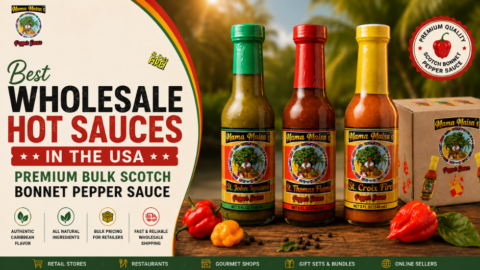
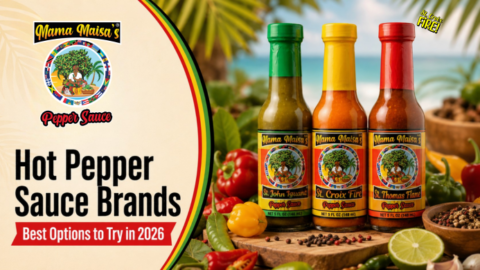
Mama Maisa’s is a distinctive option for shoppers seeking a Caribbean-inspired, mustard-forward Scotch Bonnet pepper sauce rather than a conventional pepper-vinegar profile. To compare available products and formats, explore Mama Maisa’s Hot sauce brands.
Mustard Hot Sauce vs Spicy Mustard Sauce: Are They the Same?
Spicy mustard sauce And Mustard hot sauce are closely related, but they are not always identical.
Mustard hot sauce generally emphasizes the combination of chili pepper heat, mustard tang, and acidity. It may be designed to pour, drizzle, or blend into recipes.
Spicy mustard sauce may be more condiment-like, with a thicker texture and a stronger focus on mustard as the primary base. Some versions are intended for dipping, sandwiches, or pretzels, while others are designed as cooking sauces.
The distinction depends on the product. A spicy mustard may contain chili or hot pepper, but not necessarily enough to taste like a traditional hot sauce. Conversely, a mustard-based hot sauce may be thin, highly acidic, and strongly pepper-led.
Always check the ingredients, texture, and intended uses rather than relying only on the name.
Can You Make a Caribbean Mustard Hot Sauce Recipe at Home?
Yes, you can experiment with a Caribbean-inspired mustard hot sauce recipe by building around the same broad flavor categories found in many bold, island-inspired condiment styles.
A general variation might explore:
-
Mustard for tang and savory sharpness
-
Scotch Bonnet or another chili pepper for heat and aroma
-
Garlic and onion for depth
-
Lime or vinegar for acidity
-
Curry-style spices for warmth
-
Salt or other balancing ingredients, according to taste
The goal is to balance the ingredients rather than let one element overwhelm everything else. Mustard should remain recognizable, the pepper should provide the desired heat, and acidity should brighten the mixture.
This is a general Caribbean-inspired approach—not a claim of authenticity to every Caribbean island and not a copy of Mama Maisa’s proprietary recipe.
Hot pepper safety note: When handling Scotch Bonnet peppers, consider wearing gloves, avoid touching your eyes or face, and follow safe food preparation practices. Do not assume a homemade sauce is shelf-stable, and do not rely on unsupported shelf-life or canning instructions. Proper food safety and validated processing are necessary for those claims.
For readers who prefer to explore a prepared product rather than develop a recipe, a commercial sauce offers a convenient way to experience a mustard-and-pepper flavor combination without recreating the formula at home.
Is Mustard Hot Sauce Vegan, Gluten-Free, or Sugar-Free?
Not every mustard hot sauce is vegan, gluten-free, or sugar-free. These characteristics depend on the individual product’s ingredients, formulation, and labeling.
Mama Maisa’s St. Croix Fire is described in the supplied product information as vegan, gluten-free, and no sugar, with low sodium also listed as a product attribute. These descriptions apply to that product and should not be generalized to every mustard hot sauce.
If you have allergies, follow a strict dietary plan, or need to avoid specific ingredients, review the current product label and manufacturer information before purchasing or consuming a sauce. Product formulations and labeling can change, and a general category name is not a substitute for checking the actual ingredients.
Why Choose Mama Maisa’s Pepper Sauce?
Mama Maisa’s Pepper Sauce offers a distinctive choice for people who want more than a straightforward hot pepper condiment. St. Croix Fire brings together a Caribbean-inspired flavor identity with Scotch Bonnet peppers, mustard, curry-style warmth, garlic, lime, onion, and a secret spice mix.
That combination creates several practical advantages for the home kitchen:
-
Flavor depth: Mustard tang and curry-style warmth add complexity beyond pepper heat alone.
-
Distinctive pepper character: Scotch Bonnet peppers contribute a recognizable fruity, aromatic quality alongside their heat.
-
Versatility: Use it with grilled meats, seafood, vegetables, rice bowls, sandwiches, marinades, and plant-based meals.
-
Plant-based positioning: The supplied product information describes it as vegan and plant-based.
-
No-sugar positioning: The product is described as containing no sugar.
-
Dietary label information: Gluten-free, low-sodium, and non-GMO positioning is supplied for the product; readers should confirm current labeling for their needs.
-
Product flexibility: Different pack and bundle options can suit individual use, stocking up, or gifting, depending on the product selected.
For shoppers interested in exploring the brand’s broader selection, the Vegan hot sauce collection is a useful place to browse.
If you are buying for a household, sharing with food-loving friends, or looking for a practical specialty condiment gift, compare the available Popular hot sauce bundle options. Product format and contents should be reviewed on each listing before ordering.
FAQs About Mustard Hot Sauce
1. What is mustard hot sauce?
Mustard hot sauce is a condiment that combines mustard’s tangy, savory flavor with chili peppers, acidity, and often spices or aromatics. It can be thin or thick, mild-tasting or intensely spicy, depending on the recipe. Unlike a basic pepper-vinegar sauce, it typically has a noticeable mustard-forward character.
2. Is mustard hot sauce hotter than regular hot sauce?
Not necessarily. Mustard hot sauce can be less spicy, similarly spicy, or hotter than another hot sauce depending on the peppers and formulation. Mustard adds pungency and tang, but chili peppers are the primary source of heat. Always check the product description and label rather than assuming heat from the name.
3. What does mustard hot sauce taste like?
It often tastes tangy, savory, and peppery, with mustard providing the backbone. Depending on the ingredients, it may also have citrus brightness, garlic and onion depth, curry-style warmth, or a lingering spicy finish. Flavor varies significantly between products, so ingredient lists and tasting descriptions are useful guides.
4. What is the difference between mustard-based hot sauce and spicy mustard?
Mustard-based hot sauce usually emphasizes chili pepper heat, mustard tang, and acidity. Spicy mustard may be thicker and more focused on mustard as a dipping or sandwich condiment. The two categories overlap, but texture, pepper intensity, and intended use vary by product.
5. Is Scotch Bonnet mustard hot sauce very spicy?
It can be. Scotch Bonnet peppers are known for significant heat and a distinctive fruity aroma. However, the final intensity depends on the recipe, and individual tolerance varies. If you are unfamiliar with Scotch Bonnet sauces, start with a small amount and adjust gradually.
6. What foods pair well with mustard hot sauce?
Mustard hot sauce can pair well with grilled chicken, burgers, seafood, roasted vegetables, potatoes, sandwiches, wraps, rice bowls, eggs, and plant-based meals. Its tangy and savory character often works well with smoky or roasted foods, but the best pairing depends on the sauce’s heat and acidity.
7. Is mustard hot sauce vegan or gluten-free?
Some mustard hot sauces are vegan or gluten-free, but these qualities are not universal. Check the individual product’s ingredient list and label. Mama Maisa’s St. Croix Fire is described in the supplied product information as vegan and gluten-free, but consumers with strict dietary needs should confirm current product information.
8. Can mustard hot sauce be used as a marinade?
Yes, mustard hot sauce can be incorporated into marinades, dressings, dips, or finishing sauces. Its tang and spice can contribute flavor to meats, seafood, vegetables, and plant-based foods. Start with a small amount and consider how its acidity and heat will interact with the other ingredients.
9. How should I choose a mustard hot sauce?
Compare the pepper type, heat transparency, mustard intensity, acidity, texture, spice blend, ingredient list, dietary information, versatility, and serving size. If you prefer layered, island-inspired flavors, look for a sauce that combines mustard with peppers, citrus, garlic, onion, or curry-style seasoning.
Final Thoughts: Add Tang, Heat, and Caribbean-Inspired Flavor
Mustard hot sauce stands out because it brings more than pepper heat to the table. Its mustard tang, acidity, savory depth, and potential spice layers can turn a familiar condiment into something more expressive.
When Scotch Bonnet peppers meet mustard, garlic, lime, onion, and curry-style warmth, the result can be bold, aromatic, and versatile. It is a natural fit for grilled foods, seafood, roasted vegetables, sandwiches, bowls, and plant-based meals.
For those seeking a Caribbean-inspired Scotch Bonnet pepper sauce with a mustard-forward flavor profile, Mama Maisa’s St. Croix Fire is worth exploring. Its layered combination offers a distinctive way to add tang, spice, and island-inspired character to everyday cooking.
Bring a bold mustard-and-pepper flavor to your kitchen—Explore Mama Maisa’s Pepper Sauce and discover St. Croix Fire.
👉 Shop authentic Caribbean heat here: Mama Maisa’s Pepper Sauce
👉 Mama Maisa’s Contact: Hot pepper sauce

- Mustard Hot Sauce: The Bold, Tangy Twist Your Kitchen Is Missing - September 15, 2026
- Is Hot Sauce Gluten Free? A Complete Guide for Health-Conscious Spice Lovers - September 10, 2026
- Scotch Bonnet Pepper Hot Sauce: The Complete Guide to Flavor, Heat & Uses - September 8, 2026