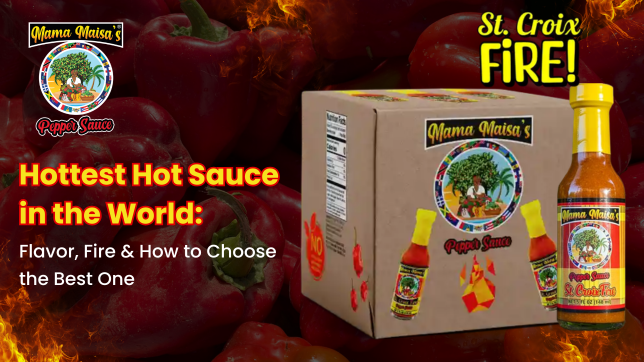
If you’ve ever wondered what the hottest hot sauce in the world really is—and whether it’s actually enjoyable to eat—you’re not alone. Heat seekers, chefs, and food lovers everywhere are searching for that perfect balance between intense spice and unforgettable flavor. But here’s the truth most people don’t realize: the best hot sauces aren’t just about heat. They’re about depth, character, and ingredients that elevate your food, not overpower it.
In this complete guide, you’ll discover what defines the world’s hottest sauces, how they’re measured, which peppers dominate the heat charts, and how to choose a vegan hot sauce that delivers both fire and flavor.
What Makes a Sauce the Hottest Hot Sauce in the World?
The heat level of any hot sauce is measured using the Scoville Heat Unit (SHU) scale. This system measures the concentration of capsaicin—the compound responsible for that burning sensation.
Heat scale basics:
| Pepper / Sauce | Scoville Units |
|---|---|
| Bell Pepper | 0 |
| Jalapeño | 2,500–8,000 |
| Scotch Bonnet Pepper | 100,000–350,000 |
| Ghost Pepper | ~1,000,000 |
| Carolina Reaper | 1.5–2.2 million |
The hottest sauces in the world often use ultra-hot peppers like Carolina Reaper or Ghost Pepper extracts. But many chili experts agree: pure heat alone doesn’t equal the best hot sauce. The true champions combine spice with rich flavor complexity.
Why Flavor Matters More Than Raw Heat
Extreme heat sauces can be impressive, but they’re not always practical for daily meals. Many are designed for challenges or novelty rather than culinary use.
The best tasting hot sauce has three key qualities:
-
Balanced heat level
-
Natural ingredients
-
Flavor depth
That’s why chefs and food enthusiasts often prefer sauces made from whole peppers like the Scotch bonnet pepper, known for its fruity aroma, citrus undertones, and bright Caribbean heat.
The Science Behind Pepper Heat
Capsaicin binds to pain receptors on your tongue, which your brain interprets as heat. But different peppers deliver heat differently:
Fast Heat vs Slow Burn
-
Fast heat: Jalapeño or cayenne hits quickly and fades.
-
Slow burn: Scotch bonnet or habanero builds gradually.
-
Lingering heat: Superhot peppers stay intense for minutes.
Understanding this helps you pick a spicy sauce suited to your tolerance and taste preferences.
Top Pepper Varieties Used in the Best Hot Sauces
1. Scotch Bonnet Pepper – Caribbean Flavor Champion
Known for its tropical aroma and balanced heat, this pepper is widely used in Caribbean cooking. It provides strong heat without sacrificing flavor.
2. Habanero – Bright & Fruity
Popular among premium hot sauce brands, habaneros deliver citrus-like sweetness alongside serious spice.
3. Ghost Pepper – Extreme Heat
Used in ultra-hot sauces, this pepper is for experienced spice lovers.
4. Carolina Reaper – Record Breaker
Often featured in sauces claiming to be the hottest hot sauce in the world.
What Makes a Vegan Hot Sauce Better for Modern Kitchens
Today’s consumers want sauces that match their lifestyle values. A high-quality vegan hot sauce offers:
-
Plant-based ingredients
-
No animal products
-
Clean labels
-
Natural flavor sources
Many modern food lovers also look for:
-
Gluten free sauce
-
Low sodium hot sauce
-
Organic hot sauce options
-
No artificial preservatives
Plant-based sauces made with fresh peppers, spices, and aromatics often taste brighter and more authentic.
Characteristics of the Best Hot Sauces
Not all sauces deserve a spot on your table. The best hot sauces usually share these traits:
Ingredient Quality
Look for sauces made from real peppers, spices, and natural aromatics rather than extracts or artificial flavorings.
Balanced Flavor Profile
Great sauces combine:
-
Heat
-
Sweetness
-
Acidity
-
Aroma
Versatility
A top-tier pepper sauce should work across dishes:
-
Grilled vegetables
-
Rice bowls
-
Sandwiches
-
Marinades
-
Soups
Why Scotch Bonnet Sauces Are Rising in Popularity
Caribbean-style sauces are quickly becoming favorites among chefs and home cooks because they deliver:
-
Bold flavor
-
Complex spice blends
-
Natural sweetness
-
Layered heat
Unlike many commercial sauces, a well-crafted Scotch bonnet blend enhances food rather than masking it.
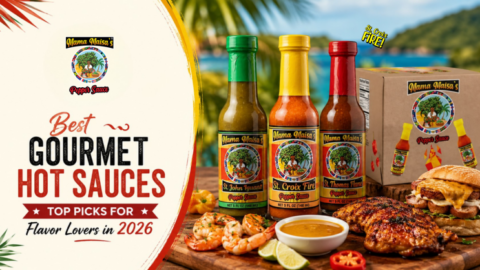
Spotlight: A Flavor-Focused Alternative to Extreme Heat Sauces
If you want authentic heat without sacrificing taste, premium Caribbean sauces are a strong choice. One standout example is:
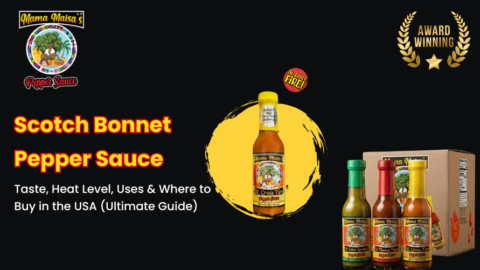
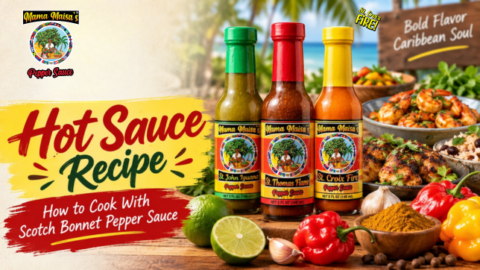
Mama Maisa’s Scotch Bonnet Pepper Sauce — Caribbean Curry Hot Sauce with Mustard & Sweet Heat
This sauce is designed for people who love flavor just as much as spice. Instead of relying on pure heat extracts, it blends:
-
All-natural Scotch bonnet peppers
-
Curry
-
Onion
-
Garlic
-
Mustard
-
Exotic island spices
Why Flavor-Driven Sauces Win
Extreme sauces can be thrilling, but they’re rarely everyday condiments. Flavor-forward sauces are different. They’re:
-
More versatile
-
Easier to enjoy daily
-
Better for cooking
-
More balanced
This is why many chefs consider them the best hot sauce category for real food—not just spice challenges.
How to Choose the Right Hot Sauce for Your Heat Level
When shopping for a sauce online, especially from specialty brands, follow this simple selection guide:
Mild Heat Lovers
Choose sauces made with jalapeño, poblano, or mild blends.
Medium Heat Fans
Look for sauces featuring Scotch bonnet or habanero peppers.
Heat Seekers
Try blends with ghost pepper or reaper—but check flavor reviews first.
Reading Labels Like a Pro
The label tells you everything about a sauce’s quality. Look for:
✔ Real pepper as first ingredient
✔ No added sugar (if you prefer clean heat)
✔ Simple spice list
✔ No artificial colors
A well-crafted pepper plant hot sauce should showcase the pepper itself—not hide it behind additives.
Why Small-Batch Hot Sauce Brands Are Trending
Artisan producers are transforming the hot sauce industry. Compared to mass-produced options, small-batch sauces often deliver:
-
Fresher flavor
-
Better ingredient sourcing
-
More creativity
-
Authentic regional recipes
That’s why many food enthusiasts are shifting from supermarket bottles to specialty hot sauce brands that prioritize quality.
Creative Ways to Use Hot Sauce Beyond Dipping
Hot sauce isn’t just for tacos or wings. Try these chef-approved ideas:
Breakfast
-
Eggs
-
Avocado toast
-
Breakfast burritos
Lunch
-
Sandwich spreads
-
Grain bowls
-
Salad dressings
Dinner
-
Marinades
-
Stir-fries
-
Soups
Snacks
-
Popcorn seasoning
-
Roasted nuts
-
Dips
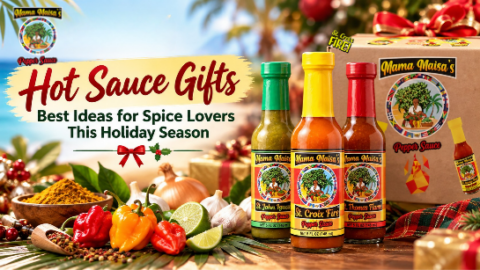
Hot Sauce Gift Sets: The Perfect Food Lover Present
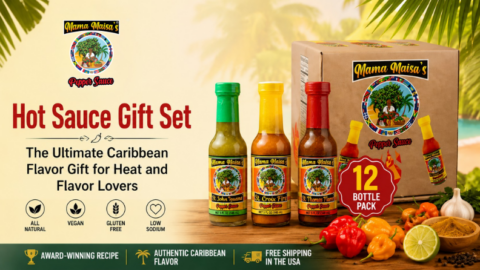
A hot sauce gift set is one of the most versatile gourmet gifts because it works for:
-
Food enthusiasts
-
Grill masters
-
Vegans
-
Home cooks
Look for sets that include multiple heat levels so recipients can explore different flavors and spice intensities.
Common Mistakes People Make When Choosing Hot Sauce
Avoid these pitfalls:
Choosing based only on heat
You may end up with a sauce you rarely use.
Ignoring ingredients
Artificial additives often mean weaker flavor.
Buying oversized bottles
If you’re trying a new sauce, start small.
Skipping flavor descriptions
Good brands clearly describe taste notes and spice profiles.
Health Benefits of Natural Pepper Sauces
High-quality sauces made from real peppers and spices may offer benefits:
-
Capsaicin may support metabolism
-
Peppers contain antioxidants
-
Spices like garlic and onion support immunity
Choosing a low sodium hot sauce or clean-ingredient blend helps you enjoy heat without compromising dietary goals.
FAQs
What is officially the hottest hot sauce in the world?
Some sauces use pepper extracts measuring millions of Scoville units. However, many culinary experts say the best sauces prioritize flavor rather than extreme heat levels.
Is hotter hot sauce always better?
No. The best sauce balances heat and flavor. Ultra-hot sauces can overwhelm dishes.
What pepper makes the best tasting hot sauce?
Many chefs prefer Scotch bonnet or habanero peppers because they provide both heat and rich flavor.
Are vegan hot sauces less spicy?
Not at all. Heat depends on the pepper used, not whether the sauce is plant-based.
How should hot sauce be stored?
Most sauces last longer refrigerated after opening, especially natural or preservative-free varieties.
What foods pair best with pepper sauce?
Eggs, rice dishes, grilled vegetables, noodles, sandwiches, and soups all pair well.
Expert Tips for Enjoying Spicy Sauce Safely
If you’re exploring hotter sauces, follow these pro tips:
-
Start with small amounts
-
Pair with food, not empty stomach
-
Keep dairy nearby if heat gets intense
-
Avoid touching eyes after handling sauce
Why Flavor-Rich Caribbean Sauces Are the Future of Hot Sauce
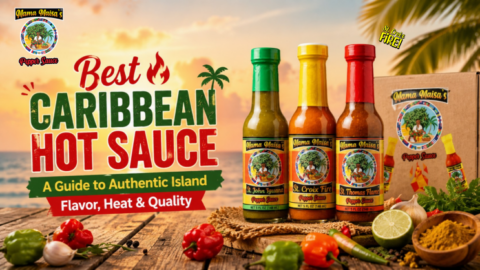
The global hot sauce market is evolving. Consumers now want more than just heat—they want culinary experiences. Authentic Caribbean-style sauces stand out because they combine:
-
Heritage recipes
-
Real spices
-
Fresh peppers
-
Balanced heat
These sauces aren’t just condiments. They’re flavor enhancers.
Final Thoughts: Finding Your Perfect Heat
The search for the hottest hot sauce in the world is exciting, but the real goal should be finding a sauce you actually love eating. The best options deliver:
-
Bold taste
-
Natural ingredients
-
Balanced spice
-
Versatility
Whether you’re a casual spice fan or a serious chili enthusiast, choosing a thoughtfully crafted vegan hot sauce with real peppers and authentic flavor will always beat novelty heat.
If you want a sauce that adds depth—not just fire—to your meals, explore flavor-focused options inspired by traditional recipes and premium ingredients. Your taste buds will thank you.
👉 Shop authentic Caribbean heat here: Mama Maisas
👉 Mama Maisa’s Contact: Hot pepper sauce

- Vegan Hot Sauce: How to Pick a Plant-Based Caribbean Sauce With Real Heat - October 21, 2026
- Hot Sauce Gifts: Best Ideas for Spice Lovers This Holiday Season - October 15, 2026
- Is Hot Sauce Good for You? Health Benefits, Risks & What to Look For - October 12, 2026