Finding a great vegan hot sauce is about more than choosing something spicy. For people following a plant-based diet, the ideal sauce combines satisfying pepper heat, bold flavor, and ingredients that fit their dietary preferences. Whether you’re preparing a tofu bowl, roasting vegetables, making vegan tacos, or adding a little excitement to rice and beans, the right hot sauce can transform an everyday meal.
Many traditional hot sauces are made with peppers, vinegar, salt, citrus, and spices, which can be compatible with a vegan diet. However, not every sauce has the same formulation. Some products contain ingredients that require closer attention, while others may raise questions about allergens, gluten, added sugar, or sodium.
That is why reading the label matters.
Caribbean-inspired pepper sauces offer an exciting option for plant-based cooking. They can combine fruity pepper heat with tangy, savory, and aromatic ingredients to create a more complex flavor than heat alone. Scotch bonnet peppers, in particular, are known for their distinctive fruity character and pronounced spice.
For home cooks who want a plant-based sauce with Caribbean-inspired flavor, understanding ingredients, heat levels, and cooking applications makes it easier to choose a product that suits their kitchen.
This guide explains how to identify vegan-friendly hot sauce, which ingredients to check, what makes Scotch bonnet pepper sauce distinctive, and how to compare options before purchasing. It also explores Mama Maisa’s St. Croix Fire Scotch Bonnet Pepper Sauce as an option for people who appreciate bold pepper heat and layered island-inspired seasoning.
Featured-snippet answer: What is vegan hot sauce?
Vegan hot sauce is a spicy condiment made without animal-derived ingredients. It commonly contains chili peppers, vinegar, salt, citrus, garlic, onion, or spices. To determine whether a specific sauce is vegan, check its complete ingredient list, allergen information, and any relevant manufacturer guidance.
Is Hot Sauce Vegan?
Yes, many hot sauces are vegan, but not every product automatically qualifies. Traditional pepper sauces often rely on plant-based ingredients such as chili peppers, vinegar, salt, citrus juice, garlic, onion, and seasonings.
The important distinction is that suitability depends on the specific recipe, not the product category. A sauce can be spicy, pepper-based, or marketed as a condiment without necessarily being free of animal-derived ingredients.
When shopping for vegan condiments, review the complete ingredient list and look for explicit vegan labeling where available. If a particular ingredient or manufacturing practice is unclear, contact the manufacturer for clarification.
Also remember that vegan suitability and allergen safety are separate considerations. A sauce may contain no animal ingredients while still containing mustard or another ingredient that someone needs to avoid.
For plant-based consumers, the goal is to find a sauce that delivers the desired heat and flavor while meeting their individual dietary requirements.
What Ingredients Should You Check in Vegan Hot Sauce?
Understanding vegan hot sauce ingredients makes shopping easier. Although many pepper sauces use straightforward recipes, formulations vary by manufacturer and product.
Here are the main ingredients and label details worth reviewing.
1. Chili Peppers
Peppers provide the heat and much of the character of a hot sauce. Depending on the variety, they can contribute earthy, smoky, fruity, grassy, or sharply pungent notes.
Scotch bonnet peppers are especially interesting for Caribbean-inspired cooking because their fruity character can complement savory dishes. Other sauces may use jalapeños, habaneros, cayenne, or different pepper varieties.
Peppers themselves are plant-based, but the rest of the formulation still needs to be checked.
2. Vinegar and Citrus Juice
Vinegar contributes acidity and helps create the familiar tang of many hot sauces. Lime and other citrus juices can provide a brighter, fresher flavor.
These ingredients can balance pepper heat and make a sauce more versatile. A tangy sauce may work particularly well with beans, roasted vegetables, grain bowls, and plant-based wraps.
If you have specific dietary concerns, review the full product label rather than relying on assumptions based on one ingredient.
3. Garlic, Onion, Herbs, and Spices
Garlic and onion contribute savory depth, while herbs and spices help distinguish one sauce from another.
A Caribbean-inspired sauce might combine pepper heat with mustard, garlic, onion, lime, and curry-style seasonings. The result can be aromatic, tangy, savory, and spicy at the same time.
This layered profile is useful when you want a plant based hot sauce to contribute flavor to a dish instead of simply making it hotter.
4. Sweeteners and Added Sugar
Some hot sauces include sugar or other sweeteners to balance acidity and pepper heat. Others are formulated without added sweeteners.
If you prefer a sugar-free product, check the current ingredient list and nutrition facts rather than assuming that every pepper sauce is free of sugar. Also distinguish between total sugars and added sugars when reviewing nutrition information.
Sugar content alone does not determine whether a sauce is vegan.
5. Thickening Agents and Flavorings
Some formulations use ingredients to create a thicker texture, stabilize the sauce, or develop a particular flavor profile.
These ingredients are not automatically unsuitable for vegans. Their source and formulation matter when an ingredient’s origin is uncertain.
If an ingredient raises a question that cannot be resolved from the label, ask the manufacturer instead of guessing.
6. Mustard and Other Allergens
Mustard can add tanginess and savory depth to a pepper sauce. However, it is also an allergen that some consumers must avoid.
A vegan sauce is not necessarily allergen-free. Likewise, a sauce that contains no dairy may still contain mustard or other ingredients that are unsuitable for a particular person.
Read the allergen declaration carefully and check manufacturer guidance about cross-contact if you have a food allergy.
7. Gluten-Free Status
Vegan and gluten-free describe different things. Vegan suitability concerns animal-derived ingredients, while gluten-free suitability concerns gluten and the product’s compliance with relevant requirements.
A gluten-free vegan sauce may be suitable for people seeking both characteristics, but do not assume that every vegan pepper sauce is gluten-free.
Practical tip: Evaluate the ingredient list, allergen declaration, gluten-free information, and nutrition facts separately. One label claim cannot answer every dietary question.
How to Tell If a Hot Sauce Is Vegan
Choosing a vegan-friendly hot sauce does not have to be complicated. A consistent label-reading process can help you determine whether a product fits your plant-based preferences.
Use this checklist whenever you compare vegan hot sauce brands.
-
Read the complete ingredient list. Check every listed ingredient rather than judging the product by its name, flavor, or packaging.
-
Look for vegan labeling. A vegan statement or certification can provide useful guidance when available, although not every vegan product carries a certification.
-
Check for dairy-derived ingredients. Look for milk-based ingredients and other animal-derived components if listed.
-
Review other animal-derived ingredients. If you encounter an unfamiliar ingredient, verify its source when necessary.
-
Read the allergen declaration. Pay attention to mustard and any other allergens relevant to your needs.
-
Contact the manufacturer if something is unclear. Ask about ingredients, sourcing, or manufacturing practices when the label does not answer your question.
-
Verify gluten-free suitability separately. If you need a gluten-free product, check the relevant label information and manufacturer guidance.
Vegan vs. Vegetarian vs. Dairy-Free
These terms are related, but they are not interchangeable.
| Label | What it generally means | What you should check |
|---|---|---|
| Vegan | Made without animal-derived ingredients | Full ingredients and relevant manufacturer guidance |
| Vegetarian | Intended to exclude meat and other ingredients that do not meet vegetarian requirements | Whether the product meets your specific dietary standard |
| Dairy-free | Formulated without dairy ingredients, subject to applicable labeling and manufacturing details | Other animal-derived ingredients and allergen information |
| Gluten-free | Meets applicable requirements for gluten-free labeling | Gluten-related ingredients and the product’s gluten-free status |
For example, a dairy-free hot sauce could contain another animal-derived ingredient and therefore not be vegan. Similarly, a vegan sauce is not automatically gluten-free.
A product does not have to carry a vegan certification to be suitable for a vegan diet. What matters is reliable information about the specific product and its formulation.
What Makes a Good Vegan Hot Sauce?
The best vegan hot sauce for your kitchen depends on more than its heat level. A sauce that tastes excellent on roasted vegetables might not be the one you prefer for a breakfast tofu scramble or a bean-based taco.
Consider these seven factors when comparing options.
1. Flavor Complexity
Some sauces focus on straightforward pepper heat and acidity. Others combine peppers with aromatic spices, garlic, onion, citrus, mustard, or other ingredients to create several layers of flavor.
If you enjoy Caribbean-inspired food, look for a sauce that balances heat with tangy and savory notes. A curry garlic lime sauce, for example, can bring multiple flavor elements to a dish.
2. Pepper Variety
Different peppers create different experiences. Scotch bonnet peppers are known for their fruity character and pronounced heat, while other pepper varieties offer different combinations of earthiness, freshness, sweetness, or pungency.
Consider which flavor profile complements the meals you cook most often.
3. Heat Intensity
A very hot sauce is not necessarily better than a milder one. The right choice depends on your tolerance, serving size, and the role you want the sauce to play.
If you’re trying a new pepper variety, start with a small amount and adjust gradually.
4. Ingredient Transparency
A clear ingredient list helps you understand what contributes to a sauce’s flavor and whether it fits your dietary requirements.
Look for straightforward product information, accessible allergen details, and answers to questions that matter to you. Terms such as “natural” or “clean ingredient” do not automatically mean that a product is healthier or nutritionally superior.
5. Sodium and Added Sugar
If you monitor sodium or added sugar, compare the nutrition facts for similar serving sizes. Pay attention to both the amount per serving and how much sauce you typically use.
A product described as low sodium or sugar-free should be evaluated using its current label and the applicable labeling requirements. Avoid relying on marketing language alone.
6. Texture and Acidity
Some sauces are thin and pourable, while others are thicker and better suited to dipping or mixing into marinades.
Acidity also affects how a sauce works in a dish. A tangy sauce can complement rich plant-based foods, while a more aromatic formulation may be especially useful in grain bowls, roasted vegetables, and savory sauces.
7. Versatility
A useful plant-based condiment should work with the food you actually prepare.
Consider whether you can use the sauce in wraps, tofu dishes, vegan burgers, beans, roasted potatoes, dressings, and marinades. A versatile sauce can make everyday cooking more interesting without requiring a different condiment for every meal.
Why Scotch Bonnet Pepper Sauce Deserves Attention
That fruity character makes them interesting for more than simply increasing spice intensity. Depending on the recipe, Scotch bonnet peppers can complement savory ingredients, aromatic seasonings, and acidic elements such as lime.
For people who enjoy bold flavors, a Scotch bonnet pepper sauce can be a useful addition to a plant-based kitchen.
How the Flavor Develops
A well-balanced Scotch bonnet sauce can combine several elements:
-
Pepper heat: Provides the main spicy sensation.
-
Curry-style seasoning: Adds aromatic warmth and complexity.
-
Mustard: Contributes a tangy, savory character.
-
Garlic and onion: Build a savory foundation.
-
Lime: Adds brightness and acidity.
-
Additional spices: Bring the ingredients together into a more layered flavor profile.
The balance depends on the individual recipe. No two sauces need to deliver the same result, even when they use the same pepper variety.
Heat perception also varies according to pepper characteristics, formulation, serving size, and individual tolerance. If you are unfamiliar with Scotch bonnet peppers, begin with a small quantity before adding more.
A plant based scotch bonnet pepper sauce can be particularly appealing if you want a condiment that contributes fruity heat and seasoning to your food rather than relying on spice alone.
What Is a Caribbean-Inspired Vegan Hot Sauce?
A Caribbean-inspired vegan hot sauce draws on flavor combinations and culinary influences associated with Caribbean cooking. It may feature hot peppers, aromatic ingredients, acidity, mustard, curry-style spices, or other seasonings.
However, Caribbean cuisine is diverse. Ingredients, techniques, and flavor preferences vary across islands, communities, and individual kitchens. There is no single recipe that represents every Caribbean pepper sauce.
For plant-based cooks, Caribbean-inspired sauces offer many ways to add bold seasoning to familiar ingredients.
Consider these combinations:
-
Rice and beans: Add a few drops to bring pepper heat and acidity to a savory staple.
-
Grilled vegetables: Use a small amount as a finishing sauce after cooking.
-
Tofu: Add sauce to a marinade or drizzle it over crisp tofu.
-
Plantains: Pair a carefully measured amount with cooked plantains if you enjoy sweet-and-spicy contrasts.
-
Vegan wraps: Mix a little sauce into a dairy-free spread or dressing.
-
Roasted potatoes: Toss with a suitable seasoning mixture and add hot sauce to taste.
-
Grain bowls: Combine rice or quinoa, vegetables, beans, and a spicy dressing.
Not every Caribbean dish is vegan, and not every Caribbean-inspired sauce has the same ingredients. Check the formulation of the condiment and the other ingredients in your meal.
How Does Mama Maisa’s St. Croix Fire Fit a Plant-Based Kitchen?

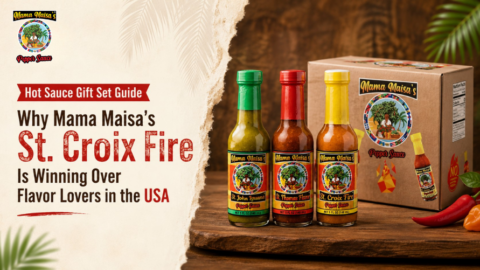
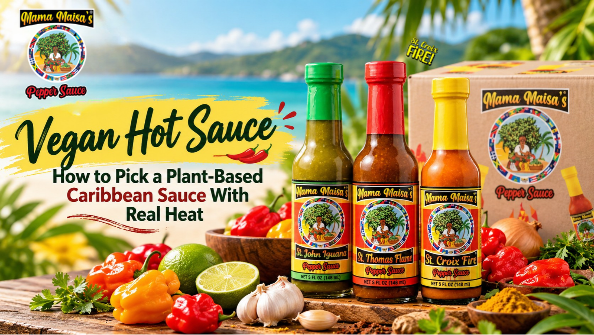
For people seeking a Caribbean-inspired condiment, Mama Maisa’s St. Croix Fire Scotch Bonnet Pepper Sauce is one option to explore.
The brand-provided product description highlights Scotch bonnet peppers combined with aromatic curry, tangy mustard, garlic, onion, bright lime notes, and a proprietary blend of island-inspired spices. This combination is intended to deliver a layered flavor profile rather than pepper heat alone.
That flavor direction can be useful in plant-based cooking, particularly when a meal needs both spice and seasoning.
Ways to Use St. Croix Fire in Plant-Based Meals
The sauce can be considered for several everyday applications, depending on your preferred heat level:
-
Drizzle a small amount over roasted cauliflower.
-
Stir a little into a marinade for tofu or other plant-based proteins.
-
Add a few drops to rice-and-bean dishes.
-
Mix it into a vegan wrap filling or dressing.
-
Use it as a finishing condiment for plant-based burgers.
-
Serve it alongside roasted potatoes or a vegetable grain bowl.
The key is to begin with a small amount. Scotch bonnet peppers can deliver substantial heat, and adding sauce gradually makes it easier to find the right balance.
Dietary Details to Review Before Buying
The supplied brand description identifies St. Croix Fire as vegan and gluten-free. Consumers should still review the current product label, ingredient list, and allergen information before purchasing, particularly if they have allergies or strict dietary requirements.
Other descriptions associated with the product, including sugar-free, low-sodium, Non-GMO, all-natural, and award-related claims, should be assessed against current packaging and supporting documentation. Do not assume that these descriptions establish a particular nutritional value or independent certification.
To explore the available Vegan hot sauce options, review the product details and select the flavor and quantity that suit your cooking habits.
For shoppers considering larger quantities or different purchasing formats, the brand also provides Hot sauce brands shopping options. Review the current listings to compare available products before ordering.
What Are the Best Ways to Use Vegan Scotch Bonnet Pepper Sauce?
A good vegan spicy sauce can work as a finishing condiment, marinade ingredient, or flavor booster. You do not need to use a large amount to change the character of a meal.
Here are eight practical ideas for incorporating Scotch bonnet pepper sauce into plant-based cooking.
1. Roasted cauliflower
Roast cauliflower until the edges are browned, then add a light drizzle of hot sauce before serving. The savory roasted flavor pairs well with pepper heat and tangy seasoning. Start with a few drops so the sauce does not overwhelm the vegetables.
2. Tofu and vegetable bowls
Build a bowl with rice, crisp tofu, and vegetables. Mix a small amount of sauce into a plant-based dressing or drizzle it over the finished bowl. Add more only after tasting the combination.
3. Vegan black bean tacos
Add a few drops to seasoned black beans or spoon it over tacos with cabbage, cilantro, and lime. The pepper’s fruity character can complement the beans, while the acidity helps balance the other flavors.
4. Plant-based burgers
Add a thin layer of hot sauce to a vegan burger or mix it into a suitable plant-based spread. The sauce can contribute heat and savory complexity without requiring extra toppings. Check the ingredients of the burger and spread separately.
5. Rice-and-bean dishes
Stir a little sauce into cooked beans or serve it at the table. Rice and beans provide a convenient base for experimenting with spicy condiments because each person can adjust the amount to their taste.
6. Roasted potatoes
Serve hot sauce alongside crispy roasted potatoes, or combine a small quantity with a suitable dipping sauce. Adding it at the end lets you control the intensity and preserve the potatoes’ roasted texture.
7. Vegetable wraps
Spread hummus or another suitable vegan spread inside a wrap, add vegetables and beans, and finish with a little pepper sauce. The result is a convenient lunch with more tang and spice.
8. Marinades and dipping sauces
Blend hot sauce into a marinade or dipping mixture made with ingredients appropriate for your diet. Use a small quantity first, then adjust the balance of acidity, seasoning, and heat. Refrigerate prepared mixtures appropriately.
These ideas also work with many other plant-based condiments. The advantage of a layered Scotch bonnet sauce is that it can provide heat, acidity, and aromatic seasoning together.
Vegan Hot Sauce vs. Other Plant-Based Condiments
Hot sauce is only one way to add flavor to a plant-based meal. Comparing it with other condiments can help you choose the right option for a recipe.
| Condiment type | Typical flavor | What to check | Common uses |
|---|---|---|---|
| Hot sauce | Pepper heat and acidity | Sodium, sweeteners, ingredients | Bowls, wraps, marinades |
| Salsa | Fresh or cooked vegetables | Ingredients and added salt | Tacos, bowls, dips |
| Mustard | Tangy and savory | Allergens and formulation | Sandwiches, dressings |
| Chili paste | Concentrated pepper flavor | Oils, seasonings, animal-derived ingredients | Stir-fries, marinades |
| Curry sauce | Aromatic spice blend | Dairy and other ingredients | Vegetables, legumes, rice |
These are general categories, not guarantees about the contents of every product. Some curry sauces contain dairy, for example, while others are entirely plant-based. Chili pastes and mustards also vary by recipe.
If you are building a collection of plant based diet condiments, choose products that complement each other. A tangy mustard, a flavorful salsa, and a bold pepper sauce can provide different options for meals without relying on a single seasoning.
For those who enjoy exploring different pack sizes, flavors, and product combinations, Popular hot sauce is a useful starting point for browsing the brand’s bundle listings.
How to Compare Vegan Hot Sauce Brands in the USA
Searching for the best vegan hot sauce brands in USA can produce a wide range of options, from simple vinegar-and-pepper recipes to specialty sauces built around distinctive pepper varieties and regional flavor influences.
Rather than relying on a universal ranking, compare products according to your needs.
Use This Shopping Checklist
-
Ingredient transparency: Can you understand the listed ingredients and find answers to relevant questions?
-
Vegan suitability: Does the label or manufacturer information support your dietary requirements?
-
Pepper variety: Does the sauce use a pepper you enjoy, such as Scotch bonnet, habanero, or jalapeño?
-
Flavor profile: Do you prefer tangy, fruity, smoky, savory, or curry-inspired notes?
-
Heat level: Is the intensity suitable for your tolerance and intended recipes?
-
Sodium and added sugar: Do the current nutrition facts fit your preferences?
-
Allergen information: Are relevant allergens clearly identified?
-
Value for money: Compare the container size and price per unit rather than looking at the total price alone.
-
Availability: Check the current product listing and whether the item can be shipped to your location.
-
Returns and shipping: Review the seller’s current policies before completing your purchase.
The best choice is the sauce that meets your dietary requirements, matches your desired flavor, and works well in your regular meals.
Comparing Different Pack Sizes
If you already know that you enjoy a particular sauce, buying a multipack may be convenient. However, compare the total price, amount per bottle, storage needs, and expected usage before ordering.
For readers who want to compare a two-bottle option, Organic hot sauce is the supplied product-page link to explore. The anchor text is a navigation label, not confirmation of organic certification.
A larger three-pack can also be considered through Best hot sauces. This is another product link rather than an objective ranking of sauces.
If you’re interested in a product bundle that combines sauce with merchandise, review the Spicy sauce listing and confirm its current contents and price.
For shoppers comparing larger quantities, the Low sodium hot sauce link provides access to the specified six-pack listing. Check the current nutrition label before drawing conclusions about its sodium content.
You can also explore the Hot sauce gift set listing if you are considering a larger quantity for sharing or gifting. Confirm the package details before purchasing.
Restaurants, food businesses, and retailers that are interested in larger-scale purchasing can review the Wholesale Hot Sauce page for the brand’s wholesale information.
These links provide ways to explore the supplied product options, but current availability, pricing, shipping, and specific product claims should always be confirmed on the relevant page.
FAQs About Vegan Hot Sauce
1. Is hot sauce vegan?
Many hot sauces are vegan because they are made with peppers, vinegar, salt, citrus, and spices. However, ingredients vary between brands and products. Check the complete ingredient list and relevant allergen information to determine whether a specific sauce fits your dietary requirements.
2. How can you tell if a hot sauce is vegan?
Read the complete ingredient list and look for vegan labeling or manufacturer confirmation when available. Check for dairy-derived and other animal-derived ingredients, and ask the manufacturer about anything unclear. If you need a gluten-free product or must avoid allergens, verify those requirements separately.
3. What makes Scotch Bonnet Pepper Sauce different?
Scotch bonnet pepper sauce is known for the distinctive fruity character and pronounced heat associated with Scotch bonnet peppers. Depending on the recipe, it may also include garlic, onion, mustard, citrus, and spices. The combination can provide a layered flavor profile rather than heat alone.
4. Is a vegan hot sauce automatically gluten-free?
No. Vegan and gluten-free describe different dietary characteristics. A sauce can contain no animal-derived ingredients without necessarily meeting gluten-free requirements. If you need to avoid gluten, check the product’s current labeling, ingredient information, and manufacturer guidance rather than assuming that vegan status guarantees suitability.
5. Is dairy-free hot sauce always vegan?
No. Dairy-free means that a product is formulated without dairy ingredients, but other animal-derived ingredients may still be present. If you follow a vegan diet, review the complete ingredient list and relevant manufacturer information instead of relying on a dairy-free claim alone.
6. What makes a good vegan Caribbean sauce?
A good vegan Caribbean sauce depends on your preferred flavor and heat level. You might look for fruity peppers, tangy citrus, savory garlic and onion, mustard, or aromatic spices. Ingredient transparency and dietary suitability are also important when choosing a sauce for everyday plant-based cooking.
7. Can vegan hot sauce contain sugar?
Yes. Vegan hot sauce can contain sugar or other sweeteners because sugar is compatible with a vegan diet. Some products are formulated without added sugar, while others use sweetness to balance acidity and pepper heat. Check the current ingredient list and nutrition facts if sugar matters to you.
8. How spicy is Scotch bonnet pepper sauce?
Scotch bonnet pepper sauces can be intensely hot, but the actual experience depends on the pepper, recipe, concentration, serving size, and individual tolerance. Without verified product-specific heat measurements, a precise ranking is not appropriate. Start with a small amount and increase it gradually to suit your preference.
9. What foods pair well with plant-based hot sauce?
Plant-based hot sauce can complement roasted vegetables, tofu, rice and beans, vegan tacos, grain bowls, vegetable wraps, roasted potatoes, and plant-based burgers. You can also add a small amount to a marinade or dipping sauce. Choose combinations that balance the sauce’s heat, acidity, and flavor.
10. What should I look for when buying vegan hot sauce online?
Check the ingredient list, vegan suitability, allergen information, gluten-free status if needed, nutrition facts, bottle size, and price per unit. Also review current availability, shipping costs, and return policies. Product descriptions can help you compare flavors, but verify important dietary and nutritional claims before ordering.
Final Thoughts: Choosing a Vegan Hot Sauce With Real Caribbean Heat
Finding a suitable vegan hot sauce starts with understanding your dietary requirements and the flavors you enjoy. The most useful choice is not necessarily the hottest sauce on the shelf; it is the one that combines the right heat, flavor, ingredient transparency, and versatility for your meals.
Read labels carefully, distinguish vegan suitability from dairy-free and gluten-free status, and compare sodium and added sugar using current nutrition information. If allergies are a concern, review allergen declarations and seek manufacturer guidance when necessary.
For home cooks who enjoy fruity pepper heat and layered Caribbean-inspired seasoning, Scotch bonnet pepper sauce offers an appealing way to experiment with plant-based cooking. Curry warmth, tangy mustard, garlic, onion, and lime can add depth to tofu, vegetables, rice and beans, wraps, and other everyday dishes.
Mama Maisa’s St. Croix Fire Scotch Bonnet Pepper Sauce is one option to explore if this flavor profile appeals to you. Review the current product details and dietary information to determine whether it fits your needs.
Ready to add more Caribbean-inspired flavor to your plant-based kitchen? Explore Mama Maisa’s available products, compare the options that interest you, and choose a sauce that complements the way you cook.
👉 Shop authentic Caribbean heat here: Mama Maisa’s Pepper Sauce
👉 Mama Maisa’s Contact: Hot pepper sauce

- Vegan Hot Sauce: How to Pick a Plant-Based Caribbean Sauce With Real Heat - October 21, 2026
- Hot Sauce Gifts: Best Ideas for Spice Lovers This Holiday Season - October 15, 2026
- Is Hot Sauce Good for You? Health Benefits, Risks & What to Look For - October 12, 2026