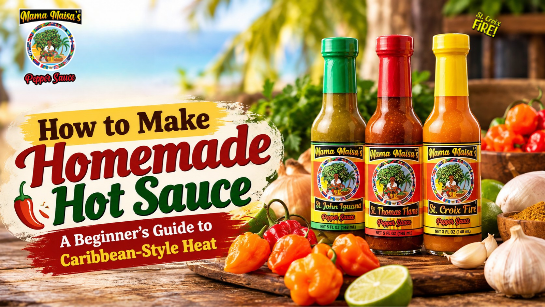
There is something satisfying about making your own hot sauce. You get to choose the peppers, experiment with seasonings, and create a condiment that delivers exactly the kind of heat and flavor you enjoy.
Caribbean-style hot sauce is especially exciting because it offers more than fiery spice. Scotch bonnet peppers bring fruity, tropical notes, while mustard, curry, garlic, onion, and fresh lime create layers of tangy, savory flavor.
Whether you’re preparing spicy chicken wings for game day, grilling seafood, or adding excitement to everyday rice bowls, a homemade pepper sauce can transform your cooking.
This beginner-friendly guide explains how to make homemade hot sauce from scratch, choose the right peppers, adjust the spice level, and store your finished sauce safely. You’ll also discover a ready-made Caribbean-inspired alternative for days when you want island flavor without spending time in the kitchen.
What Is Homemade Hot Sauce?
Homemade hot sauce is a condiment made by combining chili peppers with acidic ingredients, such as vinegar or lime juice, plus aromatics and seasonings. Caribbean-style versions often incorporate Scotch bonnet peppers, mustard, curry, garlic, or fruit, creating a more layered flavor than a simple pepper-and-vinegar sauce.
Making hot sauce at home gives you control over the ingredients, consistency, acidity, and flavor.
A simple homemade hot sauce may contain just three or four ingredients. A Caribbean-inspired version can incorporate several complementary flavors, from the brightness of citrus to the warmth of curry spices.
The result is a versatile condiment that works as a finishing sauce, dipping sauce, or ingredient in marinades.
Why Use Scotch Bonnet Peppers for Caribbean Hot Sauce?

Scotch bonnet peppers are popular in Caribbean cooking because they combine intense heat with a distinctive fruity aroma.
Their flavor is often described as slightly sweet, floral, and tropical. That character makes them particularly suitable for sauces featuring citrus, garlic, mustard, and curry.
Scotch bonnets can be extremely hot, so beginners should start with a small quantity.
Scotch bonnet vs. other hot peppers
| Pepper | Approximate Scoville heat units (SHU) | Flavor | Substitution advice |
|---|---|---|---|
| Scotch bonnet | 100,000–350,000 | Fruity, floral, intensely hot | Traditional choice for many Caribbean sauces |
| Habanero | 100,000–350,000 | Fruity, citrusy, very hot | Closest widely available alternative |
| Jalapeño | 2,500–8,000 | Green, grassy, mildly spicy | Suitable for a milder sauce |
| Cayenne | 30,000–50,000 | Sharp, peppery heat | Useful when fruity flavor is less important |
These ranges are approximate. Individual peppers vary considerably depending on variety, ripeness, and growing conditions.
For your first homemade Scotch bonnet sauce, combining one Scotch bonnet with sweet bell pepper is a practical way to introduce its flavor without relying entirely on extremely hot peppers.
What Ingredients Do You Need to Make Homemade Hot Sauce?

A good homemade Caribbean hot sauce balances four elements: pepper heat, acidity, aromatic ingredients, and seasoning.
The following original recipe is designed for beginners. It draws inspiration from Caribbean flavor combinations but is not Mama Maisa’s proprietary family recipe.
Homemade Caribbean hot sauce ingredients
Approximate yield: 1½ cups, depending on evaporation and blending.
| Ingredient | Quantity | Purpose |
|---|---|---|
| Scotch bonnet pepper | 1 medium | Fruity heat |
| Red or orange bell pepper | 1 medium | Sweetness and body |
| Yellow onion | ½ medium | Savory depth |
| Garlic | 3 cloves | Aromatic flavor |
| White vinegar (5% acidity) | ½ cup | Tanginess |
| Fresh lime juice | 2 tablespoons | Citrus brightness |
| Yellow mustard | 1 tablespoon | Tang and complexity |
| Curry powder | 1 teaspoon | Warm Caribbean-inspired seasoning |
| Salt | ½ teaspoon, or to taste | Flavor balance |
| Water | Up to ¼ cup, if needed | Texture adjustment |
| Ground allspice | ⅛ teaspoon, optional | Warm aromatic notes |
Choose a mustard that suits your dietary needs. Mustard is an allergen, so identify it when serving your sauce to others.
For a more aromatic homemade hot sauce recipe with curry and garlic, try adding a small amount of fresh ginger or thyme.
The vinegar contributes acidity and flavor, but these measurements have not been validated for room-temperature preservation. This is a refrigerated recipe.
How to Make Homemade Hot Sauce with Scotch Bonnet Peppers
To make homemade Scotch bonnet hot sauce, prepare your peppers and aromatics, simmer them with vinegar and seasonings, blend until smooth, and adjust the flavor with lime juice. Transfer the finished sauce to a clean container, cool it promptly, and refrigerate.
Caribbean-Style Homemade Hot Sauce
Prep time
15 minutes
Cook time
15–20 minutes
Total time
30–35 minutes
Approximate yield
1½ cups
Equipment: Gloves, cutting board, knife, saucepan, blender, spatula, and clean glass containers.
Ingredients: Use the quantities in the ingredient table above.
Serving suggestions: Grilled chicken, shrimp, tofu, roasted vegetables, burgers, and rice bowls.
Storage: Refrigerate promptly at 40°F or below. This recipe is not shelf-stable.
Step 1 — Prepare the Peppers Safely
Wash the Scotch bonnet and bell pepper thoroughly under running water.
Wear disposable food-safe gloves before handling the Scotch bonnet. Remove its stem and cut the pepper into smaller pieces. Removing the seeds and pale internal membranes can reduce some heat, although the sauce will still be spicy.
Avoid touching your face or eyes while handling hot peppers. Wash your hands, knife, and cutting board thoroughly afterward.
Step 2 — Prepare the Aromatics
Peel and roughly chop the onion. Peel the garlic cloves and cut the bell pepper into small pieces.
Measure the vinegar, mustard, curry powder, and salt before cooking.
Keep the lime juice separate so you can adjust its flavor near the end.
Step 3 — Cook the Ingredients
Place the chopped peppers, onion, garlic, vinegar, mustard, curry powder, salt, and optional allspice in a medium saucepan.
Bring the mixture to a gentle simmer over medium heat, then reduce the heat to medium-low.
Cook for approximately 15–20 minutes, stirring occasionally, until the vegetables soften.
Keep the kitchen well ventilated. Heating very hot peppers can release irritating vapors, so avoid leaning over the saucepan.
Step 4 — Blend Until Smooth
Remove the saucepan from the heat and allow the mixture to cool sufficiently for safe blending.
Transfer it to a blender in small batches, following the manufacturer’s instructions for hot ingredients. Never fill or tightly seal a standard blender with steaming-hot liquid.
Blend until the sauce reaches your preferred consistency.
For a smoother result, pass the blended sauce through a fine-mesh strainer.
Step 5 — Adjust Heat, Acidity, and Texture
Stir in the fresh lime juice and taste a small amount after the sauce has cooled.
For additional tang, add a little vinegar. For a thinner consistency, add a small amount of water.
If the sauce is too hot, blend in additional cooked bell pepper.
Remember that adding fresh ingredients or water changes the recipe’s acidity and storage characteristics. Keep all variations refrigerated.
Step 6 — Cool, Bottle, and Refrigerate
Transfer the finished sauce into clean, food-safe glass containers with tight-fitting lids.
Allow it to cool promptly and refrigerate within two hours of cooking, or within one hour if the surrounding temperature exceeds 90°F.
Label the container with its preparation date.
Always use a clean spoon when serving, and avoid pouring used sauce back into the bottle.
How Can You Adjust the Flavor and Spice Level?
The advantage of an easy homemade hot sauce is that you can experiment with different flavor combinations.
Start with the basic recipe, then adjust one ingredient at a time.
Choose your preferred heat level
| Heat level | Suggested pepper combination | Expected result |
|---|---|---|
| Mild | Bell pepper with a small piece of Scotch bonnet | Fruity with noticeable heat |
| Medium | ½ Scotch bonnet and 1 bell pepper | Moderately spicy |
| Hot | 1 Scotch bonnet and 1 bell pepper | Intense Caribbean-style heat |
| Extra hot | 2 Scotch bonnets and 1 bell pepper | Very intense heat |
These are relative descriptions, not guaranteed heat levels. Even a small piece of Scotch bonnet may produce a surprisingly spicy sauce.
Flavor-adjustment guide
| Desired flavor | Ingredient adjustment |
|---|---|
| Brighter and tangier | Add a little lime juice |
| More vinegar-forward | Add vinegar gradually |
| Richer and more savory | Add cooked garlic or onion |
| Warmer and more aromatic | Add a pinch of curry powder |
| Slightly sweeter | Blend in cooked mango or pineapple |
| Thicker texture | Add cooked bell pepper |
| Smoother texture | Blend longer and strain |
Fruit adds natural sweetness and can complement Scotch bonnet’s tropical character.
For example, mango pairs well with grilled shrimp, while pineapple creates a sweet-and-spicy contrast for chicken wings.
Any modified version should remain refrigerated; flavor adjustments do not establish safe preservation conditions.
What Makes Caribbean-Style Homemade Hot Sauce Different?
Caribbean pepper sauces reflect the diverse cooking traditions of individual islands, communities, and families.
Scotch bonnets feature prominently in many Caribbean cuisines, but ingredients and preparation methods vary.
Some households prefer sauces built around vinegar and fresh peppers. Others incorporate mustard, curry, citrus, garlic, herbs, or fruit.
In St. Lucia and St. Croix, family cooking traditions can influence how pepper sauces are seasoned and served.
For an introduction to this style of cooking, Scotch bonnet pepper sauce offers a useful starting point for exploring Caribbean-inspired flavors.
The important lesson for home cooks is that Caribbean-style sauce is not defined by heat alone. Its character comes from balancing peppers with complementary ingredients.
Homemade Hot Sauce vs. Fermented Homemade Hot Sauce
There are two common approaches to homemade pepper sauce: cooking peppers with vinegar and fermenting peppers before blending.
| Feature | Cooked vinegar-based sauce | Fermented pepper sauce |
|---|---|---|
| Preparation | Simmer and blend | Controlled fermentation followed by processing |
| Time | Usually under an hour | Often several days or longer |
| Flavor | Bright, fresh, tangy | Complex, tangy, sometimes funky |
| Equipment | Saucepan and blender | Appropriate fermentation equipment |
| Beginner suitability | Straightforward | Requires additional food-safety knowledge |
| Storage | Refrigerated unless properly validated | Depends on the validated process |
During fermentation, beneficial microorganisms convert sugars into acids under controlled conditions.
The pepper fermentation process requires appropriate salt concentrations, sanitation, temperature control, and suitable equipment.
If you want to explore fermented homemade hot sauce, follow a research-tested fermentation procedure rather than improvising ingredient ratios or fermentation times.
The National Center for Home Food Preservation emphasizes using tested proportions and maintaining appropriate acidity in preserved foods.
Adding vinegar to either style does not automatically make the finished sauce shelf-stable.
How Do You Store Homemade Hot Sauce Safely?
Homemade hot sauce should be stored in clean, food-safe containers and refrigerated promptly unless it has been prepared using a scientifically tested preservation method.
For this beginner recipe, follow these practices:
-
Wash and thoroughly clean bottles, lids, and preparation equipment.
-
Refrigerate the sauce at 40°F or below.
-
Label each container with the preparation date.
-
Use clean utensils and avoid contaminating the bottle opening.
-
Discard sauce showing mold, unexpected gas production, or other signs of spoilage.
There is no validated exact refrigerator shelf life for this original recipe. Make small batches for prompt use rather than assuming that vinegar guarantees several weeks or months of safety.
If you want to preserve hot sauce for room-temperature storage, use a tested canning recipe and follow its exact ingredients, jar sizes, and processing instructions.
The National Center for Home Food Preservation publishes a research-based
. It is a separate recipe and should not be treated as interchangeable with the one in this article.
National Center for Home Food Preservation
What Are the Most Common Homemade Hot Sauce Mistakes?
| Mistake | Why it happens | Practical correction |
|---|---|---|
| Excessive heat | Too many hot peppers | Blend in additional cooked bell pepper |
| Too much vinegar | Acidity overwhelms other flavors | Add more cooked pepper or aromatics |
| Watery texture | Too much added liquid | Add cooked vegetables and blend |
| Too much salt | Over-seasoning early | Start with less and adjust gradually |
| Harsh raw garlic | Garlic wasn’t cooked sufficiently | Simmer the aromatics before blending |
| Poor sanitation | Dirty utensils or containers | Clean equipment thoroughly |
| Unsafe storage | Assuming vinegar guarantees preservation | Refrigerate promptly |
The most useful habit is tasting and adjusting gradually. It’s easier to add more heat, salt, or vinegar than to correct an excessively seasoned sauce.
What Foods Pair Best with Homemade Caribbean Hot Sauce?

Caribbean-inspired hot sauce is versatile enough for everyday meals and special occasions.
For Texas-style BBQ, brush a little sauce over grilled chicken or serve it alongside smoked meats. In Florida, try it with grilled shrimp, fish tacos, or Caribbean-inspired seafood.
In New York or California, it can add bold flavor to burgers, breakfast sandwiches, roasted vegetables, and plant-based rice bowls.
A few more serving ideas include tossing crispy chicken wings in sauce, mixing a spoonful into mayonnaise for a spicy sandwich spread, or drizzling it over grilled tofu.
For seafood marinades, combine a small amount with lime juice and oil. Keep the marinade refrigerated, and never reuse marinade that has contacted raw seafood or meat unless it is properly cooked.
Homemade vs. Ready-Made: When Does Each Make Sense?
Homemade sauce offers flexibility, while professionally prepared sauce offers convenience and consistent flavor.
| Consideration | Homemade sauce | Ready-made sauce |
|---|---|---|
| Preparation time | Requires cooking and cleanup | Ready to serve |
| Ingredient control | Fully customizable | Determined by product formulation |
| Consistency | May vary between batches | Generally more consistent |
| Flavor experimentation | Easy to modify | Choose among available varieties |
| Convenience | Requires advance preparation | Convenient for everyday meals |
| Storage | Follow recipe-specific guidance | Follow the product label |
Making a small batch is ideal when experimenting with peppers or preparing a particular meal.
Ready-made options are useful when you’re short on time, traveling, or want a familiar flavor available whenever you cook.
When comparing Hot sauce brands, consider the pepper varieties, ingredient list, flavor profile, and intended uses rather than focusing on heat alone.
For plant-based cooking, a Vegan hot sauce can be a convenient way to add flavor to tofu, roasted vegetables, and grain bowls. Always verify dietary and allergen information on the current product label.
Discover Mama Maisa’s St. Croix Fire Scotch Bonnet Pepper Sauce

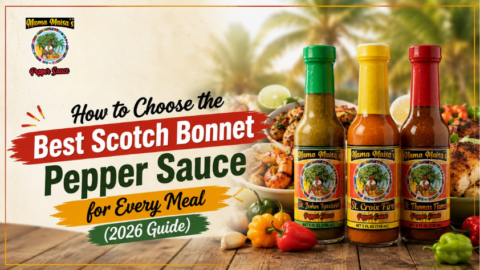
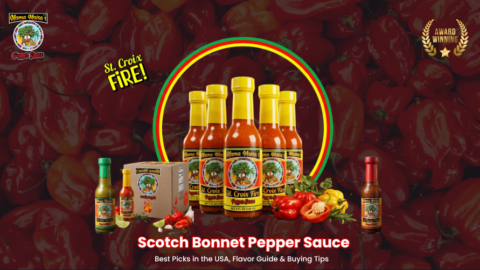
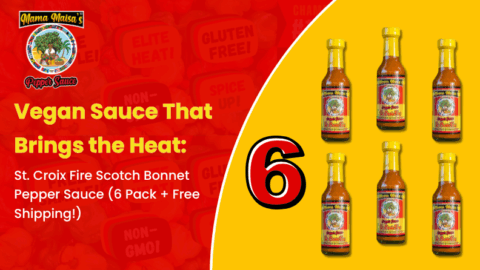
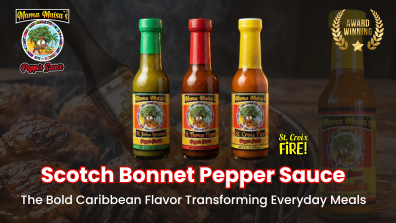
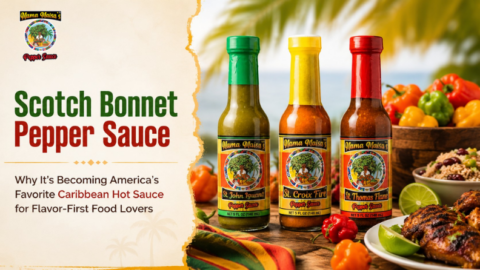
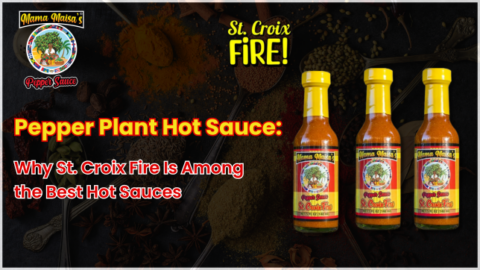
If you love Caribbean-inspired heat but don’t always have time to prepare a fresh batch, Mama Maisa’s St. Croix Fire Scotch Bonnet Pepper Sauce offers a ready-made alternative.
Inspired by family cooking traditions associated with St. Lucia and St. Croix, the sauce combines Scotch bonnet pepper mash, vinegar, mustard, garlic, onion, salt, curry spices, and lime juice.
Its combination of fruity pepper heat, tangy acidity, and savory seasonings makes it suitable for grilled foods, seafood, sandwiches, and marinades.
The educational recipe in this article is an original beginner-friendly interpretation of Caribbean-style hot sauce, not a reproduction of Mama Maisa’s family formulation.
Explore the Organic hot sauce product listing if you’re comparing ingredients and packaging; the link’s name does not establish organic certification. For other purchasing options, see the Best hot sauces listing.
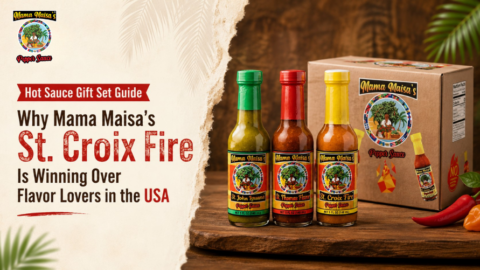
You can also explore a Popular hot sauce bundle or a Spicy sauce gift bundle for specialty condiment enthusiasts.
For dietary considerations, check the current label when reviewing Low sodium hot sauce options. Remember that St. Croix Fire contains mustard.
FAQs
1. How do you make homemade hot sauce from scratch?
Start with fresh chili peppers, onion, garlic, vinegar, and your preferred seasonings. Chop the ingredients, simmer them until tender, and blend until smooth. Adjust the flavor with lime juice, salt, or additional cooked vegetables. Transfer the finished sauce into clean containers and refrigerate promptly.
2. What is the best pepper for homemade Caribbean hot sauce?
Scotch bonnet peppers are a traditional choice for many Caribbean-style sauces because they combine intense heat with fruity, floral flavors. Habaneros are a useful substitute when Scotch bonnets are unavailable. Beginners can combine a small amount of hot pepper with sweet bell pepper to make the sauce more approachable.
3. Can you make homemade hot sauce without fermentation?
Yes. Cooked vinegar-based hot sauce requires no fermentation and is particularly convenient for beginners. Simply simmer peppers, vinegar, aromatics, and seasonings, then blend everything together. Refrigerate the finished sauce promptly. Adding vinegar alone does not make a homemade sauce safe for room-temperature storage.
4. How do you make homemade hot sauce less spicy?
Use fewer Scotch bonnet peppers and increase the proportion of sweet bell pepper. Removing some of the pepper’s internal membranes may also reduce heat. Cooked mango or pineapple can balance the flavor with sweetness, although sweet ingredients do not eliminate capsaicin or make the sauce objectively mild.
5. Can I use habaneros instead of Scotch bonnets?
Yes. Habaneros are among the closest commonly available substitutes because they offer similar heat levels and fruity flavor characteristics. Their flavor is not identical, but they work well with mustard, garlic, curry, and lime. Start with a small quantity because individual peppers can vary significantly in heat.
6. How long does homemade hot sauce last in the refrigerator?
Refrigerated shelf life depends on the recipe, acidity, preparation method, and handling. There is no validated exact storage period for the original recipe provided here. Keep it refrigerated at 40°F or below, make small batches for prompt consumption, and discard sauce if spoilage is suspected.
7. Is homemade hot sauce better cooked or raw?
Both methods offer different flavor characteristics. Cooked hot sauce develops softer aromatics and a more integrated flavor, while raw sauce often tastes brighter and more pungent. Cooking is an approachable choice for beginners, but neither method automatically establishes preservation safety. Both require appropriate storage.
8. Can you make Caribbean hot sauce without added sugar?
Yes. Scotch bonnet peppers, onions, and optional fruit provide natural flavor without requiring added sugar. The beginner recipe in this article contains no added sugar when prepared with unsweetened ingredients. Check the mustard and other packaged seasonings if avoiding added sugar is important to you.
9. What makes Scotch bonnet pepper sauce different?
Scotch bonnet pepper sauce is distinguished by the pepper’s intense heat and distinctive fruity, floral character. Many Caribbean preparations balance these qualities with vinegar, citrus, garlic, mustard, herbs, or curry. Recipes vary across islands and households, so there is no single universal Scotch bonnet sauce formulation.
10. What foods go well with homemade Caribbean hot sauce?
Homemade Caribbean hot sauce pairs well with grilled chicken, shrimp, fish, burgers, rice bowls, roasted vegetables, and tofu. Use it sparingly as a finishing condiment or combine it with suitable ingredients for a marinade. Its fruity heat is especially complementary to smoky grilled foods and citrus-forward seafood dishes.
Final Thoughts — Bring Caribbean Heat to Your Kitchen
Making homemade Caribbean hot sauce is an opportunity to experiment with peppers, aromatics, and seasonings while developing a flavor that suits your cooking.
Start with one Scotch bonnet, balance its heat with bell pepper, and introduce mustard, curry, garlic, and lime gradually. Prepare small batches, practice safe pepper handling, and refrigerate your finished sauce.
When you’re looking for a convenient Caribbean-inspired condiment, explore Mama Maisa’s St. Croix Fire. It also offers options for a Hot sauce gift set or Wholesale Hot Sauce for buyers interested in larger quantities.
Whether you prepare your own sauce or choose a ready-made option, the secret to memorable Caribbean-inspired heat is balancing bold peppers with complementary flavors.
👉 Shop authentic Caribbean heat here: Mama Maisa’s Pepper Sauce
👉 Mama Maisa’s Contact: Hot pepper sauce

- Hot Sauce Gifts: Best Ideas for Spice Lovers This Holiday Season - October 15, 2026
- Is Hot Sauce Good for You? Health Benefits, Risks & What to Look For - October 12, 2026
- Types of Hot Sauce: A Complete Guide to Flavors, Heat Levels & Styles - October 8, 2026