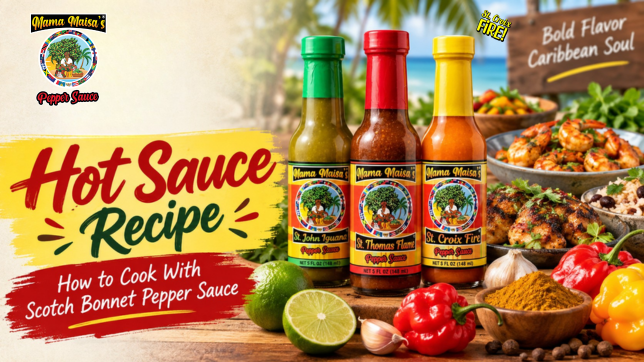
Hot sauce is often treated as something you shake onto food after it reaches the table. But a good pepper sauce can do much more. Used during cooking, it can bring heat, acidity, aroma, spice, and depth to an otherwise ordinary dish.
A Scotch Bonnet Pepper Sauce is especially useful because Scotch bonnet peppers bring a distinctive fruity character alongside their noticeable heat. When combined with ingredients such as curry, mustard, garlic, lime, onion, and island-inspired spices, the result can become a cooking ingredient rather than simply a finishing condiment.
In this guide, you’ll learn how to build a balanced Hot Sauce Recipe, how to make a simple homemade version, how to use Scotch bonnet sauce in marinades and everyday meals, and how to pair its Caribbean-inspired flavor with chicken, seafood, vegetables, rice, sandwiches, eggs, and more.
You’ll also learn how much hot sauce to start with and how to balance a dish when the heat becomes stronger than expected.
What Makes a Great Hot Sauce Recipe?
A great Hot Sauce Recipe is not simply the hottest recipe you can make. The most useful sauces balance heat with acidity, aromatics, salt, and flavor depth.
Five elements are particularly important:
1. Heat
Scotch bonnet peppers provide the primary heat. The goal is to make the heat noticeable while allowing the other flavors to remain recognizable.
2. Acidity
Acid gives pepper sauce brightness. Lime, vinegar, or another suitable acidic ingredient can help cut through rich foods and make the overall flavor feel fresher.
3. Aromatics
Garlic and onion provide savory depth, while curry and other spices contribute warmth and aroma.
4. Salt
Salt helps connect the different flavors in a sauce. Because individual sauces vary in sodium content, season gradually rather than automatically adding a large amount.
5. Flavor Depth
The best hot pepper sauce recipes taste like more than peppers and heat. Mustard, curry, garlic, citrus, onion, and spices can create several layers of flavor.
The basic principle is simple: balance matters more than maximum heat.
That is particularly important when cooking. A sauce that is too aggressive can overpower chicken, seafood, vegetables, or grains. A balanced sauce can become part of the dish.
Why Scotch Bonnet Pepper Sauce Works So Well in Cooking
Scotch bonnet peppers are popular in Caribbean cooking because they bring both substantial heat and a recognizable fruity pepper character.
That combination makes them particularly useful in marinades, sauces, stews, seafood dishes, grilled foods, and vegetable recipes.
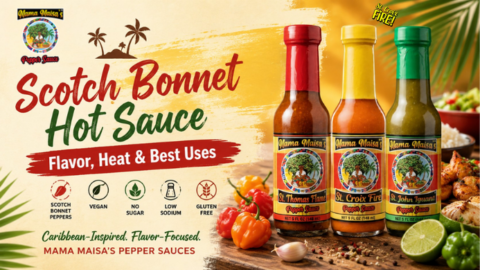
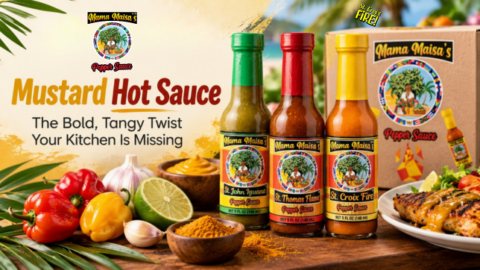
Mama Maisa’s St. Croix Fire Scotch Bonnet Pepper Sauce builds around that character with curry, mustard, garlic, lime, onion, and island-inspired spices.
Each ingredient contributes something different:
- Scotch bonnet peppers: bold heat and fruity pepper character
- Mustard: tang and savory sharpness
- Curry: warm aromatic depth
- Garlic: savory backbone
- Lime: brightness and acidity
- Onion: savory depth and balance
- Island-inspired spices: additional aromatic character
This makes the sauce useful when you want Caribbean-inspired flavor without having to build every layer of seasoning from scratch.
It can work particularly well with grilled chicken, shrimp, fish, roasted vegetables, rice bowls, sandwiches, burgers, beans, eggs, and plant-based proteins.
How to Make Hot Sauce at Home
Learning how to make hot sauce gives you a better understanding of how heat, acidity, aromatics, and seasoning work together.
A basic homemade hot sauce process looks like this:
- Choose your peppers.
Scotch bonnet peppers provide substantial heat and a fruity flavor. You can combine them with milder peppers if you want to reduce intensity. - Prepare your aromatics.
Garlic and onion can create the savory foundation of the sauce. - Add complementary flavors.
Lime, mustard, curry, and selected spices can create a more layered Caribbean-inspired profile. - Build the liquid component.
An appropriate acidic ingredient helps create the tangy character associated with many hot sauces. - Blend carefully.
Blend the ingredients until you reach your preferred consistency. - Taste and balance.
Add ingredients gradually. You are looking for a combination in which heat, acidity, salt, aromatics, and spice can all be detected. - Handle and store the finished sauce appropriately.
Homemade sauces can vary considerably depending on ingredients, acidity, preparation, and storage. Follow a tested food-preservation recipe when long-term storage is intended rather than assuming a homemade sauce is shelf-stable.
Easy Homemade Hot Sauce Recipe
Here is a simple homemade hot sauce recipe framework for experimentation:
Ingredients
- Scotch bonnet peppers
- Onion
- Garlic
- Lime juice
- Mustard
- Curry seasoning
- Salt, to taste
- Water or another suitable liquid, as needed
Method
- Prepare the peppers, onion, and garlic.
- Combine the ingredients with your chosen liquid.
- Blend until smooth or leave slightly textured, depending on preference.
- Taste carefully.
- Adjust acidity, seasoning, or liquid gradually.
- Use immediately in a recipe or follow an appropriate tested preservation method for storage.
This is a homemade recipe example, not Mama Maisa’s proprietary recipe.
If you want the flavor profile without making a sauce from scratch, a ready-made product such as Scotch bonnet pepper sauce can be used directly in cooking.
7 Best Ways to Cook With Scotch Bonnet Pepper Sauce
The easiest way to understand hot sauce cooking is to see how the sauce behaves in different dishes.
Here are seven practical ways to use it.
1. Scotch Bonnet Grilled Chicken
Chicken is an excellent starting point for a scotch bonnet hot sauce recipe because its relatively mild flavor provides plenty of room for seasoning.
Ingredients
- 1 pound chicken
- 1–2 tablespoons Scotch bonnet pepper sauce
- 1 tablespoon oil
- 1 tablespoon lime juice
- 1 minced garlic clove
- Black pepper
- Optional Caribbean-inspired seasonings
Preparation
Combine the sauce, oil, lime juice, garlic, and seasonings. Coat the chicken and allow the flavors to develop before grilling according to your preferred chicken-cooking method.
Flavor profile: Tangy, savory, aromatic, and spicy.
Heat level: High, depending on the amount of sauce.
Best pairing: Grilled vegetables, rice, beans, or a fresh salad.
For a milder result, begin with less sauce and increase it after tasting the marinade.
2. Caribbean-Style Shrimp or Seafood
Scotch bonnet sauce and seafood make a natural combination because the sauce’s acidity and pepper character can complement the delicate flavor of shrimp and fish.
For a quick seafood preparation, combine:
- 1–2 teaspoons Scotch bonnet sauce
- Lime juice
- Garlic
- A small amount of oil
- Your preferred seafood seasoning
Toss with shrimp before cooking, or use the mixture as a finishing sauce for cooked fish.
Flavor profile: Bright, citrusy, aromatic, and hot.
Heat level: Medium-high to high.
Best pairing: Shrimp, fish, rice, grilled vegetables, or tacos.
The key is restraint. Seafood generally benefits from enough sauce to add character without covering its natural flavor.
3. Spicy Vegetable Bowl
A pepper sauce can transform a simple plant-based bowl.
Start with:
- Roasted sweet potato
- Broccoli or cauliflower
- Rice, quinoa, or another grain
- Black beans or chickpeas
- Avocado
- Scotch bonnet pepper sauce
Drizzle a small amount of sauce over the finished bowl, or mix it into a simple dressing.
Flavor profile: Savory, spicy, fresh, and aromatic.
Heat level: Medium.
Best pairing: Grain bowls and plant-based lunches.
This is also an easy way to incorporate a Vegan hot sauce into everyday cooking.
4. Spicy Sandwich or Burger Sauce
Hot sauce does not have to stand alone on a sandwich. Mixing it with a creamy or savory base can distribute the heat more evenly.
Try combining:
- 1 teaspoon Scotch bonnet sauce
- 2 tablespoons mayonnaise or a plant-based alternative
- A squeeze of lime
- Garlic powder or fresh garlic
- Black pepper
Spread the mixture over a burger, chicken sandwich, turkey sandwich, or vegetable sandwich.
Flavor profile: Creamy, tangy, savory, and spicy.
Heat level: Low-medium to medium.
Best pairing: Burgers, wraps, sandwiches, and grilled vegetables.
5. Caribbean-Inspired Rice and Beans
Rice and beans are excellent carriers for bold seasonings.
Stir a small amount of Scotch bonnet sauce into cooked rice and beans, or add it to the seasoning mixture while the dish is being prepared.
Start with approximately ½ teaspoon per serving and increase gradually.
Flavor profile: Warm, savory, spicy, and aromatic.
Heat level: Medium.
Best pairing: Caribbean-inspired meals, grilled chicken, vegetables, and plant-based proteins.
A small amount can make a surprisingly noticeable difference.
6. Spicy Breakfast Eggs
Eggs are one of the simplest foods to pair with hot sauce.
Try Scotch bonnet sauce with:
- Scrambled eggs
- Fried eggs
- Omelets
- Avocado toast
- Breakfast potatoes
- Breakfast grain bowls
Begin with ¼–½ teaspoon and add more according to taste.
Flavor profile: Savory, punchy, tangy, and spicy.
Heat level: Mild to medium, depending on quantity.
Best pairing: Eggs, avocado, toast, potatoes, and breakfast bowls.
7. Hot Sauce Dressing or Dipping Sauce
A simple dressing formula can turn Scotch bonnet sauce into a versatile condiment.
Combine:
- 1 teaspoon Scotch bonnet pepper sauce
- 2 tablespoons oil or a creamy base
- 1 tablespoon lime juice
- Garlic
- Optional mustard
- Seasoning to taste
Whisk together and adjust the proportions until the dressing tastes balanced.
Use it with roasted vegetables, salads, grilled shrimp, chicken, sandwiches, or grain bowls.
Flavor profile: Tangy, creamy or bright, savory, and spicy.
Heat level: Low-medium to medium.
Best pairing: Salads, vegetables, seafood, wraps, and bowls.
Scotch Bonnet Pepper Sauce Flavor Profile and Spice Level
Scotch bonnet sauce is particularly interesting because its culinary value goes beyond heat.
| Characteristic | What to Expect |
|---|---|
| Heat | Bold, noticeable Scotch bonnet heat |
| Flavor | Fruity pepper character with savory depth |
| Acidity | Bright lime-style tang |
| Aroma | Garlic, curry, mustard, and spices |
| Sweetness | Gentle balance rather than dessert-like sweetness |
| Best Uses | Grilling, seafood, vegetables, sandwiches, marinades |
Perceived heat can change considerably depending on how much sauce you use and what food it is mixed with.
A teaspoon in a creamy sandwich sauce will behave differently from a teaspoon added directly to a grilled chicken marinade.
That is why experienced home cooks generally add hot sauce gradually.
Ingredient Insights: Why These Flavors Work Together
Understanding the role of individual ingredients makes it easier to develop an authentic hot sauce recipe or adapt a commercial sauce to your own cooking.
Scotch Bonnet Peppers
The foundation of the flavor and heat. Scotch bonnet peppers contribute a distinctive fruity character alongside their substantial heat.
Mustard
Mustard adds tang, sharpness, and savory complexity. It can also help make a pepper sauce feel more rounded.
Curry
Curry contributes warm aromatic notes and gives the sauce additional depth beyond pepper heat.
Garlic
Garlic provides a familiar savory backbone that works particularly well with grilled meats, seafood, vegetables, and marinades.
Lime
Lime brings acidity and brightness. It can make rich foods feel fresher and helps balance heavier flavors.
Onion
Onion contributes savory depth and subtle sweetness, helping connect the stronger ingredients.
Island Spices
Island-inspired spices add aromatic complexity and reinforce the Caribbean character of the sauce.
Together, these ingredients demonstrate why a well-designed Caribbean pepper sauce recipe can function as a seasoning system rather than merely a source of heat.
Recipe Comparison: Which Scotch Bonnet Dish Should You Try?
| Recipe | Main Protein/Base | Heat | Flavor Profile | Best For |
|---|---|---|---|---|
| Scotch Bonnet Chicken | Chicken | High | Smoky, tangy, savory | Grilling |
| Caribbean Shrimp | Shrimp | Medium-High | Bright, aromatic | Seafood |
| Spicy Veggie Bowl | Vegetables | Medium | Savory, fresh | Plant-based meals |
| Hot Sauce Dressing | Salad/vegetables | Low-Medium | Tangy, creamy | Lunch |
| Spicy Eggs | Eggs | Medium | Savory, punchy | Breakfast |
If you’re new to Scotch bonnet sauce, the veggie bowl, dressing, or eggs are easy places to start because you can add the sauce gradually.
How Much Hot Sauce Should You Use?
There is no universal measurement because sauces vary in heat and flavor intensity.
As a starting point:
- Mild heat: ¼–½ teaspoon per serving
- Medium heat: ½–1 teaspoon per serving
- Bold heat: 1–2 teaspoons per serving
These are starting guidelines, not fixed rules.
For a marinade serving several people, you may need considerably more sauce than you would use for one bowl of eggs.
A useful technique is to start conservatively, mix thoroughly, taste, and increase the sauce if necessary.
How to Balance Too Much Heat
Even experienced cooks occasionally add more pepper sauce than intended.
If a dish becomes too hot, the best solution is usually dilution and balance.
Try:
- Adding more of the main ingredient
- Increasing the amount of vegetables, grains, beans, or protein
- Adding a creamy component when appropriate
- Using additional fat where it fits the recipe
- Adding acidity carefully
- Adding a small amount of sweetness when appropriate
Avoid trying to fix an overly spicy dish with one dramatic ingredient. Gradual adjustment gives you more control.
For example, if a rice bowl is too spicy, adding more rice, beans, vegetables, or a suitable creamy element can distribute the heat instead of simply masking it.
Real-Life Cooking Inspiration Across the U.S.
Scotch bonnet sauce can fit naturally into different American cooking styles.
A backyard griller in Texas might use it in a chicken marinade before putting the meat on the grill.
A home cook in New York could mix a small amount into a shrimp bowl with rice, avocado, and vegetables.
A plant-based cook in California might drizzle it over roasted cauliflower, chickpeas, and grains for a quick weekday lunch.
In a U.S. Virgin Islands-inspired weekend meal, the sauce can complement seafood, rice, grilled foods, and other Caribbean-influenced dishes.
These are cooking examples, not customer testimonials. The common thread is simple: use the pepper sauce as a flavor-building ingredient rather than waiting until the meal is finished.
From Homemade Hot Sauce Recipe to Ready-to-Use Scotch Bonnet Sauce
Making a homemade hot sauce can be rewarding, particularly if you enjoy experimenting with peppers and seasonings.
But homemade sauce requires preparation, ingredient balancing, blending, and appropriate handling. A ready-made sauce offers another option when you want consistent flavor without starting from scratch.
Mama Maisa’s St. Croix Fire is designed around a Caribbean-inspired combination of Scotch bonnet peppers, curry, mustard, garlic, lime, onion, and island-inspired spices.
Its positioning also includes vegan, no-added-sugar, low-sodium, gluten-free, non-GMO, and all-natural attributes.
For shoppers comparing Hot sauce brands, those characteristics can be useful considerations alongside flavor, versatility, heat level, ingredients, and intended use.
The most important question is not simply, “How hot is this sauce?”
Ask instead:
Will this sauce make my food taste better?
That’s where a flavor-forward Scotch bonnet sauce becomes particularly useful.
You can use it as a marinade ingredient, sandwich sauce, seafood accent, vegetable seasoning, rice-and-bean enhancer, dipping sauce, or finishing condiment.
Why St. Croix Fire Works as an Everyday Cooking Sauce
Mama Maisa’s St. Croix Fire is built for cooks who want more than straightforward pepper heat.
The sauce brings together Scotch bonnet peppers with curry, mustard, garlic, lime, onion, and island-inspired spices, creating a profile that is bright, savory, tangy, aromatic, and pleasantly hot.
That makes it particularly flexible.
A vegan meal can gain extra character from roasted vegetables, beans, grains, tofu, or other plant-based proteins. When grilling, use it as part of a flavorful marinade. Its pepper and citrus notes also bring brightness to seafood dishes. Sandwiches and burgers can benefit from the sauce when it is blended into a creamy spread. At breakfast, a few drops can add a bold kick to eggs or avocado toast.
And for cooks who simply want a convenient pantry option, ready-to-use sauce eliminates the preparation involved in a homemade hot sauce recipe.
If you’re comparing products, you can explore Popular hot sauce options for multi-bottle purchases or look at Best hot sauces when considering a larger supply.
For shoppers specifically interested in the supplied dietary positioning, Low sodium hot sauce is another relevant product option.
A larger Hot sauce gift set can also make sense for food lovers, hosts, specialty-food enthusiasts, or people who enjoy keeping multiple bottles available for cooking and sharing.
How to Use Hot Sauce in Everyday Recipes
The simplest formula is:
Start small → mix → taste → adjust.
You don’t need to redesign an entire recipe around hot sauce.
Try adding a small amount to:
- Chicken marinades
- Shrimp marinades
- Grilled fish
- Roasted vegetables
- Rice and beans
- Grain bowls
- Sandwich spreads
- Burger sauces
- Eggs
- Salad dressings
- Dipping sauces
- Tacos
- Plant-based proteins
This approach also helps you discover which flavors work best with your preferred heat level.
If you prefer plant-based cooking, a Vegan hot sauce can be especially useful because the sauce can add complexity without requiring meat or dairy ingredients.
If you’re specifically exploring products described as organic, review the current product labeling and details before making that determination; product attributes should always be verified against the current packaging.
FAQs
1. What is a good hot sauce recipe for beginners?
A simple starting recipe combines Scotch bonnet peppers with garlic, onion, lime, mustard, curry seasoning, and an appropriate acidic liquid. Add ingredients gradually and adjust the balance to your preferred heat and acidity.
2. How do you make a Scotch bonnet hot sauce recipe?
A basic scotch bonnet hot sauce recipe starts with prepared Scotch bonnet peppers, aromatics such as garlic and onion, acidity such as lime, and complementary seasonings. Blend the ingredients and adjust the balance carefully.
3. How hot is Scotch bonnet pepper sauce?
Scotch bonnet pepper sauce provides noticeable heat, but the perceived intensity depends on the particular sauce, the amount used, and what it is mixed with. Start with a small amount and increase gradually.
4. What foods pair well with Scotch bonnet pepper sauce?
Chicken, shrimp, fish, burgers, sandwiches, eggs, rice, beans, roasted vegetables, grain bowls, tacos, and plant-based proteins all pair well with Scotch bonnet sauce.
5. Can I use hot sauce as a marinade?
Yes. Hot sauce can be combined with oil, lime juice, garlic, and other seasonings to create a flavorful marinade for chicken, seafood, vegetables, and plant-based proteins.
6. Is Scotch bonnet pepper sauce good for seafood?
Yes. Its combination of pepper heat, acidity, garlic, and aromatic spices can complement shrimp, fish, and other seafood. Use a modest amount so the sauce does not overpower the seafood.
7. How much hot sauce should I use when cooking?
Start with approximately ¼–½ teaspoon per serving for mild heat, ½–1 teaspoon for medium heat, or 1–2 teaspoons for bold heat. Adjust based on the sauce and recipe.
8. Can hot sauce be used in vegan recipes?
Absolutely. Hot sauce can add heat and flavor to roasted vegetables, tofu, beans, lentils, grain bowls, vegan burgers, plant-based sandwiches, and other vegan meals.
Final Thoughts: Turn Hot Sauce Into a Cooking Ingredient
The best Hot Sauce Recipe isn’t necessarily the one with the most peppers. It’s the one that creates balance.
Scotch bonnet pepper sauce can bring much more than heat to a dish. Its combination of fruity pepper character, acidity, mustard tang, garlic, curry warmth, onion, and island-inspired spices can give everyday meals a distinctive Caribbean-inspired personality.
Start with a small amount. Taste as you go. Use it in marinades, seafood dishes, vegetables, rice bowls, sandwiches, eggs, dressings, and dipping sauces.
If you enjoy making sauces from scratch, use these principles to develop your own homemade hot sauce recipe. If convenience matters, a ready-made Scotch bonnet sauce gives you a faster way to add layered flavor.
Mama Maisa’s St. Croix Fire is one option for cooks looking for a ready-to-use sauce built around Scotch bonnet heat and Caribbean-inspired flavor.
For larger pantry supplies or business needs, Wholesale Hot Sauce options are also available.
For everyday home cooking, however, the idea is simple: don’t think of hot sauce as something you only add after cooking.
Think of it as another ingredient.
A little can wake up a bowl of eggs. A spoonful can transform a chicken marinade. A few drops can give roasted vegetables a completely different character.
Bring Caribbean-inspired heat to your next meal and let the flavor—not just the fire—do the talking.
👉 Shop authentic Caribbean heat here: Mama Maisa’s Pepper Sauce
👉 Mama Maisa’s Contact: Hot pepper sauce

- Hot Sauce Recipe: How to Cook With Scotch Bonnet Pepper Sauce - September 22, 2026
- Mustard Hot Sauce: The Bold, Tangy Twist Your Kitchen Is Missing - September 15, 2026
- Is Hot Sauce Gluten Free? A Complete Guide for Health-Conscious Spice Lovers - September 10, 2026