The Best Caribbean Hot Sauce is not necessarily the bottle with the biggest heat claim. A great Caribbean pepper sauce should make food taste better, bringing together pepper character, aromatics, acidity, spices, and enough heat to create excitement without hiding everything else on the plate.
That distinction matters with Scotch Bonnet-based sauces. Scotch Bonnet peppers are known for serious heat, but they also bring a fruity, aromatic character that has made them important across Caribbean cooking traditions.
For U.S. shoppers exploring Caribbean flavors, the goal is therefore not simply to find something spicy. It is to find a Caribbean Hot Sauce with the right combination of pepper quality, flavor balance, ingredient quality, versatility, and heat for the foods you actually enjoy.
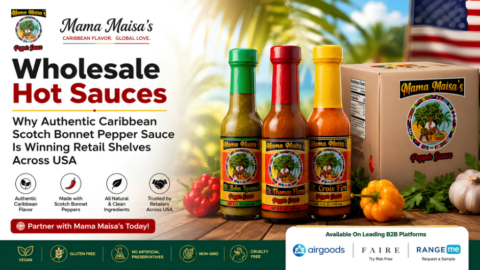
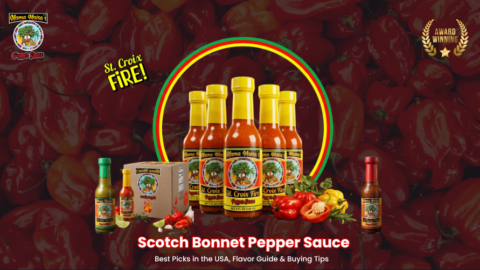
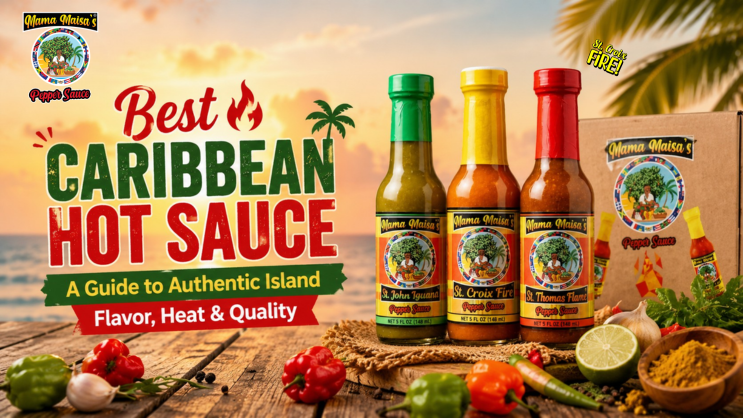
Mama Maisa’s St. Croix Fire is one option worth considering for people looking for a Scotch bonnet pepper sauce that combines Scotch Bonnet peppers with curry, mustard, garlic, onion, lime, and island-inspired spices.
What Is the Best Caribbean Hot Sauce?
The best Caribbean hot sauce combines quality peppers, balanced heat, complementary aromatics and seasonings, useful acidity, and enough versatility to enhance different foods. Personal preference matters: some people prefer fruity Scotch Bonnet heat, while others prioritize tang, savory spices, sweetness, or extreme heat.
Scotch Bonnet-based sauces are particularly appealing because the pepper itself offers more than intensity. Scotch Bonnets are widely associated with Caribbean cooking and are generally described as having a fruity, bright character alongside substantial heat.
When comparing sauces, consider four questions:
- Can you identify flavors beyond heat?
- Does the ingredient list support the flavor you want?
- Can you use the sauce on several kinds of food?
- Is the heat appropriate for your personal tolerance?
Those questions are more useful than choosing solely according to words such as “hot,” “fire,” or “extreme” on a label.
What Makes Caribbean Hot Sauce Different?
Caribbean hot sauce often combines hot peppers with aromatics, acidity, herbs, spices, fruit, mustard, or other ingredients to create heat with distinctive flavor. Recipes vary significantly among Caribbean islands, communities, families, and producers, so there is no single formula that defines every Caribbean pepper sauce.
That regional diversity is important.
Jamaican pepper sauces and jerk traditions may feature Scotch Bonnet peppers prominently, but Jamaican food represents only one part of the broader Caribbean culinary landscape. Pepper traditions across Jamaica, the U.S. Virgin Islands, Trinidad and Tobago, Barbados, Guyana, Haiti, and other Caribbean communities can differ considerably.
A Caribbean Pepper Sauce may emphasize fruity peppers, sharp acidity, mustard, aromatics, herbs, spices, or combinations of these elements.
What frequently separates a memorable sauce from a one-dimensional hot sauce is balance. Heat should be part of the flavor rather than the only flavor.
Why Are Scotch Bonnet Peppers Important to Caribbean Flavor?
Scotch Bonnet peppers are valued for their combination of heat, fruitiness, aroma, and culinary versatility.
They belong to the Capsicum chinense species and are closely related to habanero peppers. General references commonly place Scotch Bonnets around 100,000–350,000 Scoville Heat Units, although individual peppers vary. That range describes the pepper, not the heat rating of a finished sauce.
Their culinary importance goes beyond capsaicin.
A Scotch Bonnet can contribute:
Fruity character: A brightness that helps distinguish it from more neutral sources of heat.
Aroma: The pepper brings noticeable character before and alongside its burn.
Powerful heat: Small quantities can make a meaningful difference to a recipe.
Compatibility with seasonings: Scotch Bonnets can work alongside citrus, herbs, aromatics, spices, mustard, and other ingredients.
That combination helps explain why Scotch Bonnet Hot Sauce can taste complex rather than simply painful.
What Does Scotch Bonnet Pepper Sauce Taste Like?
Scotch Bonnet Pepper Sauce generally delivers pronounced heat with a fruity, aromatic pepper character. The finished flavor depends heavily on the recipe: citrus or vinegar can add brightness, garlic and onion can build savory depth, mustard can contribute tang, while herbs and spices can make the sauce more complex.
Some recipes also create noticeable sweetness, but sweetness should not automatically be assumed simply because Scotch Bonnet peppers have fruity characteristics.
The balance of ingredients determines whether a particular sauce tastes sharp, savory, tropical, tangy, earthy, sweet, or intensely pepper-forward.
Scotch Bonnet vs. Habanero: What’s the Difference?
Scotch Bonnet and habanero peppers are close relatives in the Capsicum chinense species. Both are known for intense heat and fruity qualities, and their commonly reported heat ranges overlap significantly.
They are not simply two names for exactly the same pepper, however.
Scotch Bonnets are particularly associated with Caribbean cuisines, while habaneros are strongly associated with Mexico and other parts of the Americas. Scotch Bonnets also tend to have a distinctive squat, bonnet-like shape.
For sauce shoppers, the more useful distinction is often the complete recipe rather than the pepper name alone. Two Scotch Bonnet sauces can taste dramatically different depending on their acidity, spices, aromatics, and other ingredients.
Caribbean Hot Sauce vs. Regular Hot Sauce
There is no universal recipe for either category, but comparing common styles can help shoppers understand their options.
| Sauce Style | Typical Pepper Base | Flavor Profile | Heat Character | Best Uses |
|---|---|---|---|---|
| Caribbean Scotch Bonnet Sauce | Scotch Bonnet | Fruity, aromatic, complex | Hot | Seafood, chicken, rice, vegetables |
| Jamaican-Style Hot Sauce | Often Scotch Bonnet | Pepper-forward, aromatic, seasoned | Medium-Hot to Hot | Jerk dishes, grilled meats |
| Cayenne-Style Hot Sauce | Cayenne | Tangy, straightforward | Mild-Medium | Wings, eggs, snacks |
| Habanero Hot Sauce | Habanero | Fruity, bright, sharp | Hot-Very Hot | Tacos, grilled foods |
| Mustard-Based Caribbean Sauce | Hot peppers + mustard | Tangy, savory, spicy | Varies | Seafood, sandwiches, marinades |
These are broad descriptions rather than fixed rules. Recipes, pepper concentrations, ingredients, and heat levels vary considerably by producer.
Exploring different Hot sauce brands is therefore more useful when you compare actual ingredients and intended flavor rather than relying only on the category printed on the bottle.
What Ingredients Should You Look for in Authentic Caribbean Hot Sauce?
There is no checklist that makes a sauce universally “authentic.” Caribbean food cultures are too diverse for that.
Instead, look for ingredients that make culinary sense together.
Quality Peppers
The pepper variety establishes much of the sauce’s heat and personality. Scotch Bonnet is an excellent choice for shoppers seeking fruity, aromatic heat.
Aromatics
Garlic and onion can give a Hot Pepper Sauce savory depth and help connect the heat with grilled meats, vegetables, seafood, and other foods.
Acidity
Ingredients such as lime or vinegar can brighten a sauce and help prevent rich foods from tasting heavy.
Spices
Spices can turn a simple pepper-and-acid combination into a more layered condiment.
Mustard
Not every Caribbean sauce contains mustard, but in recipes that do, it can contribute tang, savory complexity, and a natural affinity for sandwiches, seafood, and grilled foods.
The important question is whether the ingredients create a coherent flavor.
Meet Mama Maisa’s St. Croix Fire Scotch Bonnet Pepper Sauce
Mama Maisa’s St. Croix Fire takes a flavor-first approach built around Scotch Bonnet peppers.
The sauce combines Scotch Bonnet peppers with curry, mustard, garlic, onion, lime, and Caribbean-inspired spices. Mama Maisa’s official site also describes the sauce as vegan, gluten-free, Non-GMO, low sodium, and made without added sugar.
For shoppers specifically comparing a Vegan hot sauce, those characteristics may help narrow the field.
Its ingredient combination is especially interesting because each component has a different job. Scotch Bonnet supplies the pepper character and heat; curry and aromatics build depth; mustard supplies tang; and lime brings citrus brightness.
The result is designed to function as more than a source of heat.
Shoppers may also encounter categories or product pages using terms such as Organic hot sauce. That linked phrase should not be interpreted as a claim that St. Croix Fire is certified organic.
St. Croix Fire Flavor Profile
Scotch Bonnet Peppers
Scotch Bonnets form the foundation.
Expect their role to be more than creating burn. The pepper’s fruity and aromatic character provides a recognizable personality that can remain noticeable alongside stronger seasonings.
Curry
Curry seasoning adds warm, savory, aromatic depth. In a pepper sauce, those notes can make the condiment feel more integrated with cooked foods rather than tasting like heat added at the last second.
Mustard
Mustard contributes tang and sharpness.
That makes the sauce particularly logical for grilled foods, sandwiches, marinades, and richer proteins where acidity and pungency can provide contrast.
Garlic and Onion
Garlic and onion provide a savory foundation. They help connect the Scotch Bonnet’s bright heat with the deeper notes from curry and mustard.
Lime
Lime provides citrus brightness and acidity. That can be especially valuable with seafood, grilled meat, rice bowls, and richer foods.
Island-Inspired Spices
Mama Maisa’s describes island or Caribbean spices as part of the formula. Because the exact proprietary blend is not fully specified, there is no reason to guess what the mixture contains.
Taken together, these ingredients explain why St. Croix Fire can appeal to shoppers searching for a Gourmet Hot Sauce that emphasizes layered seasoning as well as heat.
How Hot Is St. Croix Fire?
Scotch Bonnet peppers themselves are hot peppers, commonly reported in the approximately 100,000–350,000 SHU range. That figure must not be treated as St. Croix Fire’s Scoville rating.
A finished hot sauce can feel significantly different from eating the raw pepper because its perceived intensity depends on pepper concentration, the complete recipe, serving quantity, the food it accompanies, and individual tolerance.
A useful qualitative scale is:
Mild → Medium → Hot → Very Hot
Mama Maisa’s own published material characterizes St. Croix Fire in the hot range. For people unfamiliar with Scotch Bonnet sauces, starting with a small amount is sensible.
Heat tolerance varies enormously. A teaspoon that feels comfortable to an experienced hot-sauce enthusiast could be intense for someone accustomed to mild sauces.
Best Foods to Pair With Caribbean Hot Sauce
Caribbean hot sauce works especially well with grilled chicken, seafood, rice bowls, roasted vegetables, sandwiches, eggs, marinades, and plant-based meals. The best pairings use the sauce not simply for heat but to add acidity, pepper aroma, savory seasoning, and complexity.
Grilled Chicken
Brush a small amount onto cooked chicken or combine it carefully with a marinade. Scotch Bonnet heat can complement smoky grilling while mustard, curry, garlic, and lime add seasoning.
Seafood
Try a small drizzle over grilled shrimp or fish. Citrus brightness and pepper heat can work particularly well with seafood.
Rice & Grain Bowls
A few drops can add contrast to rice, quinoa, beans, roasted vegetables, avocado, or grilled protein without requiring another complicated sauce.
Roasted Vegetables
Use Scotch Bonnet sauce to wake up cauliflower, sweet potatoes, carrots, zucchini, or other roasted vegetables.
Sandwiches & Wraps
Mix a small quantity into mayonnaise or another spread rather than applying a large amount directly. This distributes the heat more evenly.
Plant-Based Meals
Beans, lentils, tofu, grains, and roasted vegetables can all benefit from a sauce that adds acidity, spice, and aromatics.
Marinades
Combine the sauce with complementary ingredients appropriate to your recipe rather than treating it as the entire marinade.
Eggs & Breakfast Foods
Start with a few drops on scrambled eggs, breakfast potatoes, avocado toast, or breakfast wraps.
BBQ & Grilled Foods
The curry-mustard-pepper combination can add a Caribbean-inspired direction to chicken, vegetables, seafood, or other grilled dishes.
7 Easy Ways to Use Scotch Bonnet Hot Sauce
- Upgrade a marinade: Mix a controlled amount into a marinade for chicken, seafood, tofu, or vegetables.
- Finish grilled shrimp: Add a few drops after cooking so the pepper character remains noticeable.
- Season a rice bowl: Use it alongside beans, vegetables, grains, or grilled protein.
- Build a dipping sauce: Mix a small amount with a creamy or savory base.
- Add heat to sandwiches: Blend it into your sandwich spread for more even distribution.
- Brighten roasted vegetables: Add the sauce after roasting or mix sparingly into a finishing dressing.
- Spice up a dressing: Introduce a few drops at a time and taste before adding more.
A versatile sauce should earn its place in the kitchen rather than becoming a bottle you use once.
What Should You Look for When Buying Gourmet Hot Sauce?
Finding the Best Caribbean Hot Sauce for your kitchen becomes easier when you compare products using practical criteria.
Pepper type: Scotch Bonnet, habanero, cayenne, and other peppers create different experiences.
Ingredient quality: Read the ingredient list instead of judging the bottle by marketing language.
Flavor balance: Look for acidity, aromatics, seasonings, and other ingredients that support the pepper.
Heat level: Buy for your actual tolerance, not the tolerance you wish you had.
Versatility: Consider whether you can use the sauce on breakfast, lunch, dinner, marinades, and snacks.
Dietary considerations: Verify relevant label and manufacturer information when vegan, gluten-free, sodium, sugar, or other considerations matter.
Pack size: Frequent users may prefer multi-bottle options, while first-time buyers may want to start smaller.
Transparency: Reliable brands should provide useful information about their products instead of relying entirely on exaggerated heat claims.
People specifically comparing a Low sodium hot sauce should verify current label information as part of their purchasing decision.
Best Scotch Bonnet Pepper Sauce: Flavor vs. Pure Heat
The Best Scotch Bonnet Pepper Sauce is not automatically the hottest.
Extreme heat can be entertaining for some enthusiasts, but everyday usefulness depends on whether you actually want to return to the bottle.
Consider aroma, pepper flavor, acidity, savory depth, food compatibility, and how easily you can control the serving.
That is also a useful framework when browsing Best hot sauces or a particularly bold Spicy sauce.
Heat gets attention. Balance earns repeat use.
Jamaican Hot Sauce vs. Broader Caribbean Pepper Sauce
Jamaican Hot Sauce belongs within a much broader Caribbean pepper-sauce landscape.
Jamaican cooking is strongly associated with Scotch Bonnet peppers, particularly in jerk preparations, but Caribbean cuisine is not a single uniform tradition.
The region contains many islands, countries, communities, histories, and culinary influences. Pepper choices, spice combinations, herbs, acidity, sweetness, mustard, and preparation methods can therefore vary.
Rather than asking whether one style represents the entire Caribbean, explore sauces according to their specific regional inspiration and ingredients.
Who Is St. Croix Fire Best For?
St. Croix Fire makes the most sense for people who enjoy noticeable pepper heat plus layered seasoning.
That includes Scotch Bonnet enthusiasts, Caribbean food lovers, adventurous home cooks, grillers, seafood fans, plant-based cooks, and specialty condiment shoppers.
It can also make an interesting food gift for someone who likes bold condiments. Multi-bottle options such as a Hot sauce gift set may make more sense for enthusiasts, gifting, or stocking larger quantities.
It is less suitable for someone specifically seeking an extremely mild table sauce.
How to Choose the Best Caribbean Hot Sauce for Your Taste
Use this simple framework:
Want fruity heat? Start with the pepper. Scotch Bonnet and habanero sauces are logical categories to explore.
Want savory complexity? Look for aromatics, herbs, curry, spices, or mustard.
Want tang and brightness? Check for ingredients such as citrus, vinegar, or mustard.
Want everyday versatility? Prioritize balance over maximum heat.
Want extreme heat? Look for reliable product-specific heat information rather than assuming a pepper’s raw SHU range equals the sauce’s rating.
Want a variety of formats? Explore Popular hot sauce options and compare pack sizes with how frequently you expect to use them.
The best purchase is the bottle that matches both your palate and your cooking habits.
Where Can You Buy Caribbean Hot Sauce in the USA?
U.S. shoppers can find Caribbean pepper sauces through specialty grocery stores, Caribbean markets, gourmet food retailers, and online stores.
Shopping directly from a producer can make it easier to compare current ingredients, available pack sizes, dietary information, and related products.
Mama Maisa’s sells St. Croix Fire and related options through its online shop. Restaurants, specialty retailers, and other qualifying business buyers can also explore Wholesale Hot Sauce options directly from the brand.
FAQs About Caribbean Hot Sauce
What is the best Caribbean hot sauce?
The best Caribbean hot sauce balances pepper quality, heat, acidity, aromatics, spices, and versatility. Scotch Bonnet sauces are especially appealing to people who enjoy fruity, aromatic heat. Your ideal choice ultimately depends on heat tolerance and whether you prefer tangy, savory, sweet, pepper-forward, or spice-heavy flavors.
What makes Caribbean hot sauce different?
Caribbean pepper sauces can use Scotch Bonnets and other hot peppers alongside citrus, vinegar, herbs, aromatics, spices, mustard, fruits, or other ingredients. Recipes vary across islands and communities, so Caribbean hot sauce should be understood as a diverse family of sauces rather than one standardized recipe.
What is Scotch Bonnet Pepper Sauce?
Scotch Bonnet Pepper Sauce is a hot pepper sauce built around Scotch Bonnet peppers. These peppers are known for intense heat combined with fruity, aromatic characteristics and are widely used in Caribbean cooking.
Is Scotch Bonnet Hot Sauce very spicy?
It can be. Raw Scotch Bonnet peppers are naturally very hot, but the intensity of a finished sauce depends on pepper concentration, recipe, serving size, and individual tolerance. Never assume a raw pepper’s Scoville range is the same as a bottled sauce’s heat rating.
What does Scotch Bonnet taste like?
Scotch Bonnet peppers are commonly described as fruity, bright, aromatic, and intensely hot. Their distinctive flavor is one reason cooks value them for more than simply increasing a dish’s heat.
Is Scotch Bonnet hotter than habanero?
Not necessarily. Their commonly cited Scoville ranges overlap significantly, and both can be very hot. Scotch Bonnets and habaneros are closely related Capsicum chinense peppers, but they are distinct peppers with differences in shape, culinary associations, and flavor nuances.
What foods go with Caribbean Hot Sauce?
Caribbean hot sauce can work with grilled chicken, shrimp, fish, rice and grain bowls, vegetables, eggs, sandwiches, wraps, beans, tofu, and BBQ foods. It can also be incorporated carefully into marinades, dressings, and dips.
What makes an Authentic Caribbean Hot Sauce?
There is no single ingredient list that defines every authentic Caribbean hot sauce. Caribbean culinary traditions vary considerably by island and community. Look for clear regional inspiration, appropriate peppers and seasonings, balanced ingredients, and transparent product information rather than relying solely on the word “authentic.”
What is the difference between Jamaican Hot Sauce and Caribbean Pepper Sauce?
Jamaican hot sauce is part of the larger Caribbean pepper-sauce category. Jamaican preparations frequently feature Scotch Bonnet peppers, but other Caribbean islands and communities have their own pepper varieties, ingredients, seasonings, and sauce traditions.
What should I look for in Gourmet Hot Sauce?
Consider pepper variety, ingredient quality, heat, flavor complexity, acidity, versatility, dietary needs, pack size, and manufacturer transparency. A gourmet sauce should offer a compelling flavor experience rather than depending solely on extreme heat or premium-looking packaging.
Can Caribbean hot sauce be used as a marinade?
Yes. Caribbean hot sauce can add pepper heat, acidity, and seasonings to marinades. Because Scotch Bonnet sauces can be powerful, start with a controlled quantity and combine the sauce with other marinade ingredients suited to the protein, seafood, tofu, or vegetables you are preparing.
Where can I buy Scotch Bonnet Pepper Sauce in the USA?
Scotch Bonnet sauces are available through Caribbean markets, specialty food stores, gourmet retailers, and online shops. Online purchasing is particularly useful when you want to compare ingredients, pack sizes, heat descriptions, and dietary information before ordering.
Conclusion: Finding Your Best Caribbean Hot Sauce
Finding the Best Caribbean Hot Sauce means looking beyond the hottest bottle on the shelf.
Start with the pepper. Then evaluate the aromatics, acidity, spices, balance, heat level, versatility, and product transparency. A strong sauce should contribute something meaningful even after you mentally remove the word “hot” from its description.
For consumers who specifically want Scotch Bonnet heat combined with curry, mustard, garlic, onion, lime, and island-inspired spices, Mama Maisa’s St. Croix Fire Scotch Bonnet Pepper Sauce offers a distinctive Caribbean-inspired combination worth exploring.
Use it carefully at first, discover where it fits your favorite foods, and choose the pack size that matches how often you cook with heat.
Explore St. Croix Fire and discover how Scotch Bonnet pepper flavor can bring more than heat to the table.
👉 Shop authentic Caribbean heat here: Mama Maisa’s Pepper Sauce
👉 Mama Maisa’s Contact: Hot pepper sauce

- Mustard Hot Sauce: The Bold, Tangy Twist Your Kitchen Is Missing - September 15, 2026
- Is Hot Sauce Gluten Free? A Complete Guide for Health-Conscious Spice Lovers - September 10, 2026
- Scotch Bonnet Pepper Hot Sauce: The Complete Guide to Flavor, Heat & Uses - September 8, 2026